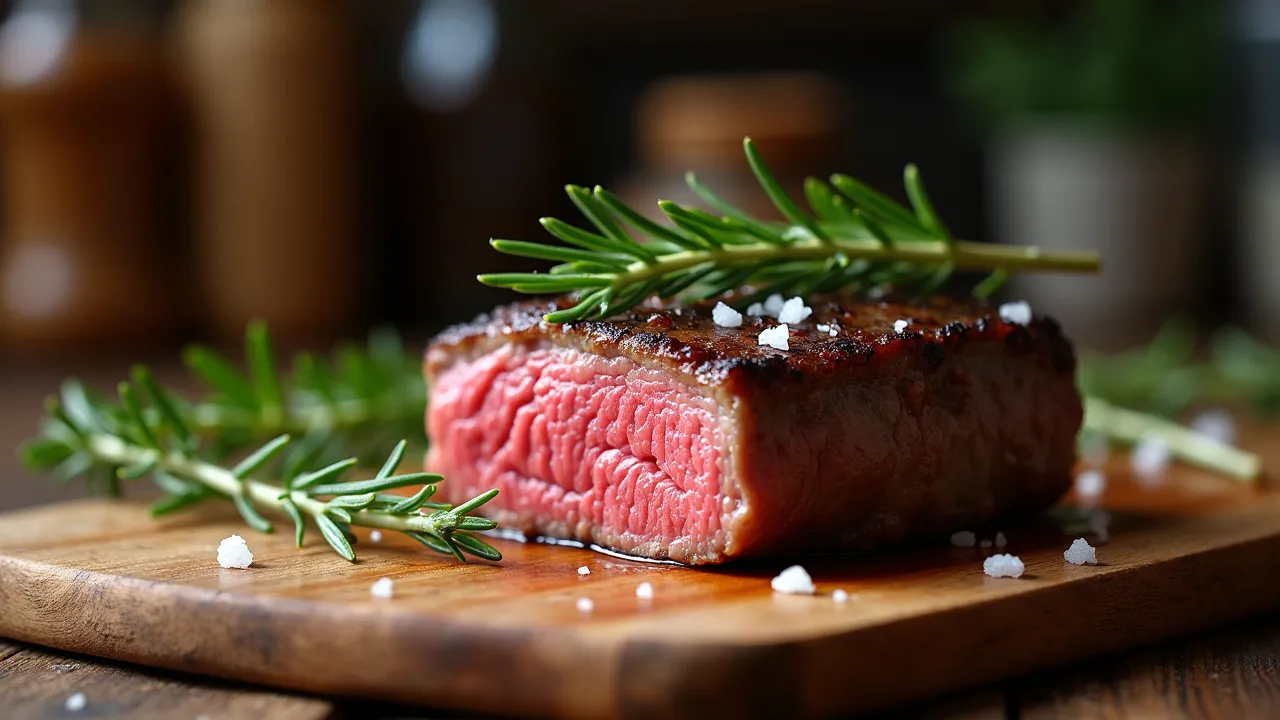
Celebrate National Filet Mignon Day on August 13th by honoring the most tender cut of beef. Learn its history, how to cook it perfectly, and global traditions.
The Historical Origins & Evolutionary Journey
Filet mignon, the tenderloin steak, has a storied past that intertwines with the evolution of beef consumption and gastronomy. While the exact origins of National Filet Mignon Day are murky, the celebration likely emerged from American food holidays in the late 20th century, popularized by steakhouse culture and food media.
The Cut: A Culinary Treasure
The term "filet mignon" is French, meaning "cute fillet" or "delicate fillet." It refers to the small, tender cut from the narrow end of the beef tenderloin. This muscle is rarely used, making it exceptionally tender. The cut gained prestige in France during the 19th century and was later embraced by American fine dining.
The Rise of Steakhouse Culture
In the United States, steakhouse culture boomed post-World War II. Restaurants like Peter Luger (Brooklyn, 1887) and Ruth's Chris (New Orleans, 1965) elevated filet mignon as a luxury item. National Filet Mignon Day capitalized on this popularity, officially noted on August 13 in food calendar databases.
Modern Global Legacy
Today, filet mignon is synonymous with indulgence. Celebrations often involve grilling, pairing with wine, and sharing on social media. The day underscores the importance of quality beef sourcing and sustainable ranching.
How to Celebrate National Filet Mignon Day
This day is best spent savoring the perfect filet. Here are actionable strategies for individuals, families, and organizations.
For Home Cooks
- Select a high-quality, well-marbled USDA Prime or Choice filet from a trusted butcher.
- Cook using the reverse-sear method: bake at 275°F until internal temp reaches 125°F, then sear in a hot cast-iron skillet for 1-2 minutes per side.
- Pair with classic accompaniments like béarnaise sauce, roasted vegetables, or a red wine reduction.
For Restaurants and Steakhouses
- Offer a special prix-fixe menu featuring filet mignon with unique rubs or sauces.
- Host a wine-pairing dinner highlighting full-bodied reds like Cabernet Sauvignon or Malbec.
- Share photos on social media using #NationalFiletMignonDay.
Global Traditions
In Argentina, asado enthusiasts may grill filet mignon with chimichurri. In Japan, wagyu filet mignon is celebrated with minimal seasoning. In France, it's served with foie gras or truffles.
No matter the method, the key is to honor the beef's natural flavor.
The Science of Tenderness: Why Filet Mignon Is Special
Filet mignon's tenderness comes from its anatomical origin. The tenderloin runs along the spine and is not weight-bearing, so it contains less connective tissue. Collagen breakdown is minimal, making it buttery even when cooked to medium-rare. Chefs treasure it for its mild flavor, which pairs well with bold sauces.
Comparison to Other Cuts
- Ribeye: More marbling, richer flavor, but slightly less tender.
- Sirloin: Leaner, tougher, but more economical.
- T-bone: Includes filet on one side, with a strip steak on the other.
Economic and Environmental Impact of Filet Mignon Production
Filet mignon commands a premium price, often $30-$60 per pound. This high value drives demand for grain-fed beef, which has environmental implications. Sustainable ranching practices, such as rotational grazing and grass-finishing, are gaining traction. Consumers are urged to choose ethically raised beef from local farms.
Wine and Filet Mignon: The Perfect Pairing
The lean, tender filet mignon pairs beautifully with medium to full-bodied red wines. Top choices include:
- Cabernet Sauvignon: The tannins cut through the richness.
- Merlot: Softer tannins complement the texture.
- Pinot Noir: For a lighter, earthy contrast.
White wine lovers can try a full-bodied Chardonnay. The key is balance.
Health Considerations and Nutritional Profile
A 3-ounce serving of filet mignon provides about 22 grams of protein, 10 grams of fat, and essential nutrients like iron, zinc, and B12. However, it is higher in saturated fat and cholesterol. Moderation is advised. Pair with vegetables and whole grains for a balanced meal.
Historical Timeline
French chefs popularize filet mignon as a luxury dish in Parisian restaurants.
American steakhouse boom begins; filet mignon becomes a menu staple.
National Filet Mignon Day appears in food holiday databases, likely created by steak lovers or a marketing campaign.
The day gains traction on social media with #NationalFiletMignonDay trending annually on August 13.