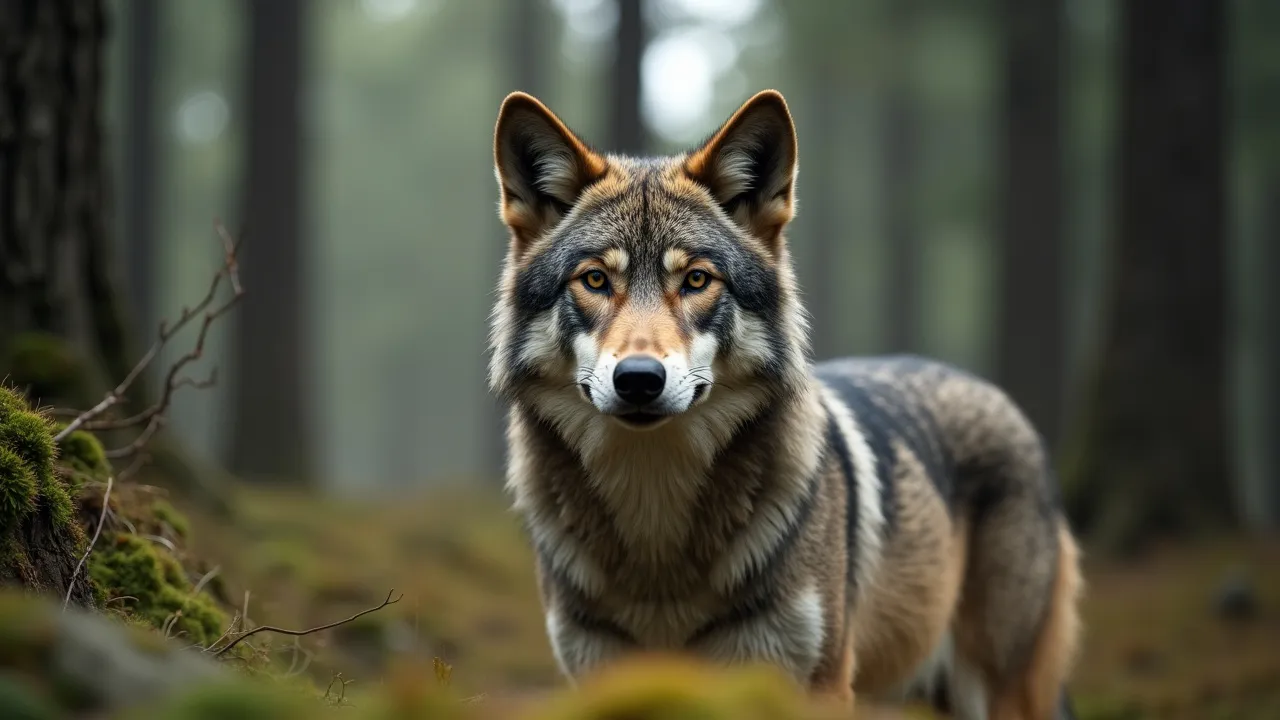
International Wolf Day, observed on August 13th, raises awareness about wolf conservation and the vital role wolves play in ecosystems. Join global efforts to protect these iconic predators and their habitats.
The Historical Origins & Evolutionary Journey of International Wolf Day
International Wolf Day was first celebrated on August 13th, 2014, spearheaded by the Wolf Conservation Center (WCC) in South Salem, New York, alongside a coalition of global wildlife organizations. The day was born from a growing need to counter centuries of persecution and misrepresentation of wolves (Canis lupus) and to highlight their critical ecological roles. The founders aimed to create an annual moment of unified action—a day when educators, conservationists, and the public could focus on wolf recovery and coexistence.
The Foundational Catalyst
The early 2000s witnessed a resurgence in wolf populations in parts of Europe and North America, sparking both celebration and controversy. Conservation groups recognized that public perception lagged behind scientific understanding. A 2012 survey by the U.S. Fish and Wildlife Service showed that while 60% of Americans supported wolf protection, myths about wolves as ruthless killers persisted. In response, the Wolf Conservation Center launched a campaign for a dedicated awareness day. The date August 13th was chosen to coincide with the peak of summer educational programs and to avoid conflict with other major wildlife observances.
The Legislative/Official Adoption
Within three years, International Wolf Day gained official recognition from the International Union for Conservation of Nature (IUCN) and the Convention on International Trade in Endangered Species (CITES). Several U.S. states—including Oregon, Washington, and Montana—issued proclamations acknowledging the day. Internationally, countries such as Sweden, Finland, and India integrated the observance into their national wildlife education calendars. Notably, the European Parliament referenced International Wolf Day in a 2017 resolution on large carnivore management.
Modern Global Legacy
Today, International Wolf Day is observed on every continent except Antarctica. Events range from webinars featuring wolf biologists to community howl nights and fundraising runs. The day has become a platform for advocacy, driving policy changes like the 2020 ban on wolf hunting in Colorado and expanded protections in Romania. Social media campaigns under hashtags like #WolfDay reach millions, amplifying success stories such as the recovery of the Mexican gray wolf in the American Southwest. The observance continues to evolve, with a growing emphasis on indigenous knowledge and community-based conservation.
How to Celebrate International Wolf Day
International Wolf Day offers countless ways to participate, whether you are an individual, a family, a school, or a corporation. Below are actionable strategies categorized by audience and region.
For Individuals
- Educate yourself: Read books like The Wolf: A True Story of Survival and Obsession or watch documentaries such as Wolf: The Journey Home. Use resources from the Wolf Conservation Center’s website.
- Support wolf-friendly brands: Purchase merchandise from organizations that donate a portion of proceeds to wolf conservation, like Wolf Haven International.
- Host a howl night: Gather friends in a safe outdoor space and howl together—a symbolic act of solidarity with wolf packs. Share videos using #HowlForWolves.
- Donate or adopt a wolf: Symbolic adoptions through organizations like the International Wolf Center fund habitat protection and research.
For Schools and Educators
- Curriculum integration: Use free lesson plans from Project WILD to teach students about wolf ecology, pack dynamics, and conservation ethics. Suggested activities include mapping wolf territories using GIS tools.
- Art and essay contests: Host a “Why Wolves Matter” competition with prizes donated by local businesses. Display winning entries in school hallways or online galleries.
- Virtual field trips: Arrange a live video chat with a wolf sanctuary via programs offered by the Wolf Conservation Center.
For Organizations and Communities
- Organize a film screening: Show a wolf-themed documentary in a park or community center, followed by a Q&A with a wildlife biologist. Use free screening kits from PBS Nature.
- Beach or trail cleanup: Wolves depend on healthy ecosystems. Coordinate a cleanup event in a local natural area, emphasizing the connection between clean habitats and wildlife survival.
- Petition drives: Partner with groups like Defenders of Wildlife to gather signatures for policies that protect wolf populations and prevent culling.
- United States: Many zoos and nature centers offer special wolf exhibits and keeper talks. In Yellowstone National Park, ranger-led hikes focus on wolf tracking.
- Europe: In countries like Germany and Poland, where wolf populations are recovering, events highlight coexistence strategies, including livestock protection workshops.
- India: The Indian Wolf (Canis lupus pallipes) is celebrated through cultural festivals that combine traditional storytelling with modern conservation messaging.
Regional Variations
While August 13th is the global date, some regions adapt celebrations:
The Ecological Importance of Wolves
Wolves are keystone species, meaning their presence or absence has a disproportionate effect on their environment. The most famous example is the trophic cascade observed in Yellowstone National Park after wolves were reintroduced in 1995.
How Wolves Shape Ecosystems
- Control herbivore populations: By preying on elk and deer, wolves prevent overgrazing, allowing riparian vegetation to recover. In Yellowstone, willow and aspen stands rebounded, stabilizing riverbanks and reducing erosion.
- Scavenger support: Wolf kills provide carrion for bears, eagles, ravens, and dozens of other species. A single wolf carcass supports up to 150 scavengers.
- Disease regulation: By hunting weak or sick individuals, wolves reduce the spread of chronic wasting disease and brucellosis among ungulates.
The Yellowstone Success Story
When wolves were removed from Yellowstone in the 1920s, elk populations exploded, leading to severe overbrowsing. Beavers disappeared because willows—their food and building material—were decimated. After reintroduction, wolves changed elk behavior, keeping them on the move and away from stream banks. Vegetation recovered, beavers returned, and biodiversity soared. The return of wolves even altered the course of rivers by stabilizing banks. This cascade demonstrates why International Wolf Day emphasizes the need to restore wolves to their historic ranges.
Wolf Conservation Challenges and Successes
Despite legal protections in many countries, wolves face persistent threats from habitat fragmentation, poaching, and political pressure to reduce their numbers. International Wolf Day highlights both the obstacles and the triumphs.
Major Threats
- Habitat loss: Urban expansion, road construction, and resource extraction break up wolf territories, leading to isolated packs and genetic bottlenecks.
- Human-wildlife conflict: Livestock depredation sparks retaliatory killings. In the U.S., 80-90% of wolf deaths are human-caused, often from legal hunting or poaching.
- Misinformation: Sensationalized media portray wolves as dangerous, fueling fear and reducing tolerance.
Conservation Successes
- Recovery in Europe: Wolves now inhabit all mainland European countries except the UK and Ireland. The EU’s Habitats Directive has been instrumental, with populations estimated at 12,000 in 2023.
- Mexican Gray Wolf Comeback: In the U.S. Southwest, the critically endangered Mexican wolf (Canis lupus baileyi) has grown from 7 individuals in 1976 to over 240 in 2024 through captive breeding and reintroduction.
- Community-based initiatives: In Ethiopia, the Ethiopian Wolf Conservation Programme has helped protect the rarest canid through livestock guarding dogs and education.
Cultural Significance of Wolves Throughout History
Wolves have permeated human culture for millennia, serving as symbols of fear, respect, and wisdom. International Wolf Day provides an opportunity to reflect on our complex relationship with these animals.
Mythology and Folklore
- Indigenous perspectives: Many Native American tribes revere the wolf as a teacher and pathfinder. The Lakota consider the wolf a relative, while the Navajo associate it with protection.
- European folklore: “Little Red Riding Hood” and “The Boy Who Cried Wolf” cemented negative stereotypes, portraying wolves as deceitful and dangerous. These stories often reflect historical fears of wilderness.
- Asian symbolism: In Mongolian culture, the wolf is a sacred totem representing loyalty and military prowess. The Ainu of Japan believed wolves were messengers of the gods.
Modern Cultural Shifts
Conservation efforts have reshaped public perception. Books like Never Cry Wolf by Farley Mowat and films like The Grey (though violent) sparked curiosity. Today, wolves are icons of wilderness and resilience, appearing on logos of sports teams and environmental groups. International Wolf Day capitalizes on this cultural shift to promote coexistence.
How to Get Involved in Wolf Conservation
International Wolf Day is a springboard for year-round engagement. Below are concrete steps to support wolf survival.
Support Reputable Organizations
- Wolf Conservation Center: Offers symbol adoption, live webcams, and educational programs.
- International Wolf Center: Provides research updates and advocacy tools.
- Defenders of Wildlife: Focuses on policy and legal action to protect wolves.
Advocacy and Policy
- Write to legislators: Encourage your representatives to uphold endangered species protections and reject bills that weaken wolf safeguards.
- Use social media: Share verified information, counter myths with science, and amplify conservation stories.
Citizen Science
- Report sightings: Submit wolf observations to platforms like iNaturalist to help track distribution.
- Reduce human impact: Drive slowly in known wolf habitats, secure trash and pet food, and keep dogs leashed to avoid conflicts.
The Future of Wolf Conservation
As wolves expand their range, new challenges and opportunities arise. International Wolf Day’s role will be pivotal in shaping coexistence strategies.
Emerging Threats
- Climate change: Alters prey availability and forces wolves to adapt to new environments. In the Arctic, warming temperatures may reduce sea ice hunting grounds for snow-dependent species.
- Genetic isolation: Small, fragmented populations lead to inbreeding depression. Conservationists are exploring “genetic rescue” by translocating wolves from healthy populations.
Innovative Solutions
- Non-lethal deterrents: Fladry, guard dogs, and light/sound devices reduce livestock depredation. In Italy, these methods cut losses by 70%.
- Rewilding initiatives: Proposals to reintroduce wolves to Scotland, the Colorado Rockies, and Japan’s Honshu Island aim to restore ecosystems and ecological processes.
The future depends on sustained public support. Every International Wolf Day reinforces the message that wolves are not adversaries but allies in maintaining a healthy planet.
Historical Timeline
The U.S. Endangered Species Act is signed into law, listing the gray wolf as endangered and providing federal protection.
Gray wolves are reintroduced to Yellowstone National Park after a 70-year absence, triggering one of the most famous ecological recoveries in conservation history.
The U.S. Congress removes wolves in the Northern Rockies from the endangered species list, sparking legal battles and state-controlled hunts.
The first International Wolf Day is celebrated on August 13th, founded by the Wolf Conservation Center and global partners to promote wolf conservation.
The European Parliament approves a resolution recognizing the ecological importance of wolves and urging better coexistence measures.
Colorado voters pass a ballot initiative to reintroduce gray wolves to the state, a historic win for wolf conservation in the U.S.
The IUCN reports that European wolf populations have rebounded to an estimated 12,000 individuals, the highest in over a century.