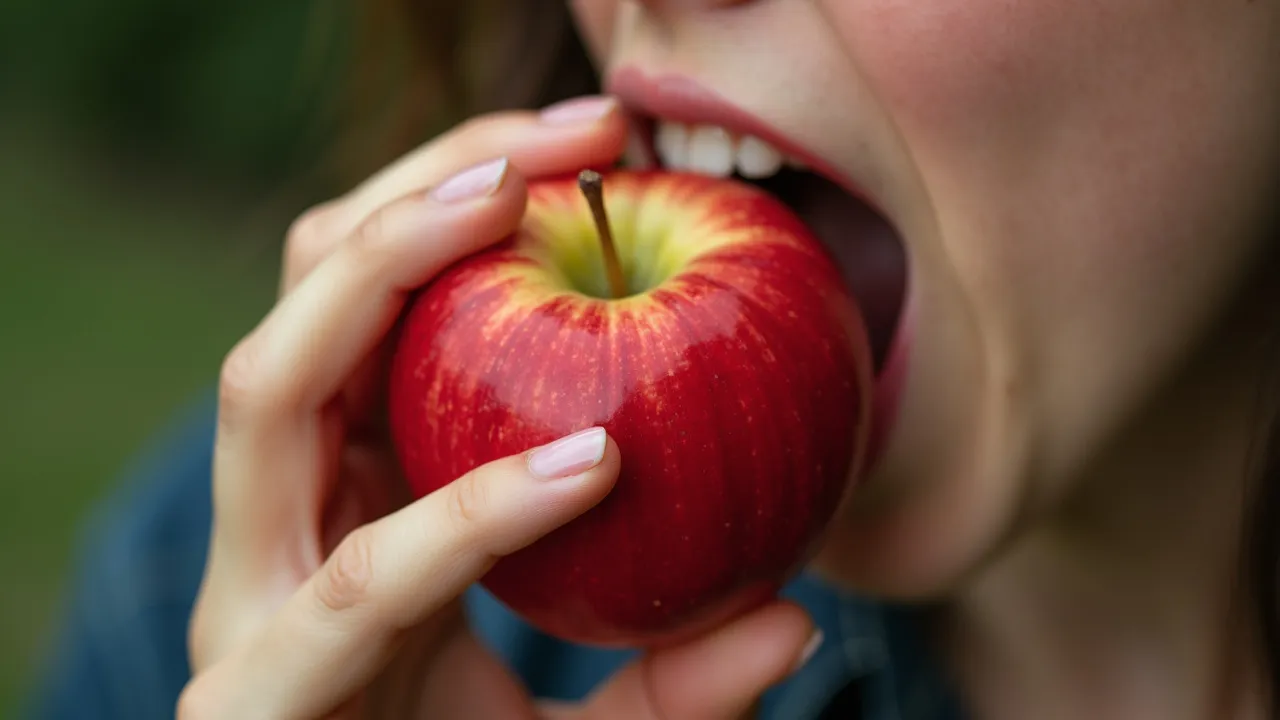
Celebrate National Eat a Red Apple Day on December 1st by enjoying the crisp, nutritious goodness of red apples. Learn about the history, health benefits, and fun ways to observe this crispy holiday.
The Historical Origins & Evolutionary Journey
National Eat a Red Apple Day, observed annually on December 1st, has roots deeply embedded in the cultural and agricultural history of apples. While the exact year of its founding is often debated, the day emerged in the early 21st century as a way to promote apple consumption and highlight the health benefits of red apple varieties.
The Foundational Catalyst
Apples have been a symbol of health and vitality for centuries. In the United States, the apple industry saw a surge in marketing efforts during the late 1990s and 2000s, driven by obesity concerns and a push for healthier eating. Red apples, particularly varieties like Red Delicious, Gala, and Fuji, became icons of convenience and nutrition. The observance likely gained traction through grassroots campaigns by orchard owners, nutritionists, and food bloggers.
The Legislative/Official Adoption
Unlike federal holidays, National Eat a Red Apple Day is not an official government proclamation. However, it was widely adopted by the U.S. Apple Association and various state-level apple commissions. In 2010, several agricultural organizations began distributing press releases and social media content to encourage participation. The date of December 1st was chosen to coincide with the peak of the apple harvest season in many regions, ensuring fresh supply.
Modern Global Legacy
Today, the day is celebrated across North America, parts of Europe, and Asia, where red apples are staple fruits. Schools, health clubs, and corporate cafeterias use the day to promote healthy snacking. The observance has also inspired charitable activities, such as donating apples to food banks.
How to Celebrate National Eat a Red Apple Day
Whether you are an individual, a school, or an organization, there are countless ways to honor this day. Below are expertly curated strategies for maximum impact.
For Individuals and Families
- Eat a fresh red apple: The simplest way is to bite into a crisp Red Delicious or Honeycrisp. Pair it with peanut butter or cheese for a nutritious snack.
- Visit an apple orchard: Many orchards offer pick-your-own experiences in late fall. Call ahead to verify availability on December 1st.
- Cook with red apples: Make a classic apple pie, baked apples, or apple sauce. Use red-skinned varieties for vibrant color.
For Schools and Educators
- Teach apple science: Conduct a lesson on apple varieties, seed dispersal, and the history of apple cultivation.
- Host an apple tasting: Provide slices of Gala, Fuji, and Red Delicious for students to compare flavors and textures.
- Organize a healthy snack program: Distribute red apples to all students, emphasizing nutrition.
For Businesses and Organizations
- Offer free apples: Place bowls of red apples in break rooms or at reception desks.
- Run a charity drive: Collect apples for local food banks. Many grocery stores offer bulk discounts for donations.
- Social media campaign: Use hashtags like #NationalEatARedAppleDay and #RedAppleDay to engage customers with health tips and recipes.
Health Benefits of Red Apples
Red apples are packed with nutrients that support overall well-being. The skin of red apples contains high levels of anthocyanins, powerful antioxidants that give the fruit its vibrant color. Key benefits include:
- Heart health: Soluble fiber (pectin) helps lower LDL cholesterol.
- Gut health: Apples contain prebiotic fiber that feeds beneficial gut bacteria.
- Immune support: Vitamin C boosts the immune system, especially during winter months.
- Weight management: Low calorie density and high water content promote satiety.
Research from the Journal of Nutrition indicates that regular apple consumption reduces the risk of type 2 diabetes and stroke. For maximum benefits, eat the whole apple (including the skin) and choose organic varieties when possible.
Popular Red Apple Varieties
National Eat a Red Apple Day is the perfect time to explore the diversity of red apple cultivars. Here are some of the most popular types, each with unique flavor profiles:
- Red Delicious: Mildly sweet with a soft texture. Best for fresh eating.
- Gala: Crisp and sweet with a hint of floral notes.
- Fuji: Extra sweet and juicy, excellent for snacking.
- Honeycrisp: Explosively crisp with a balance of sweet and tart.
- Braeburn: Tangy and aromatic, holds shape well in baking.
- McIntosh: Tender flesh with a tart flavor, ideal for applesauce.
When selecting apples, look for firm skin and a fresh, fruity aroma. Store in the refrigerator to maintain crispness.
The Apple Industry Impact
The apple industry is a multi-billion dollar sector globally. In the United States alone, over 250 million bushels of apples are produced annually, with red apples accounting for a significant share. Key producing states include Washington, New York, and Michigan. The observance day boosts sales and consumer awareness, particularly during the holiday season.
Innovations in storage technology (controlled atmosphere) allow apples to be available year-round, but December 1st emphasizes the importance of supporting local growers. Sustainable farming practices, such as integrated pest management, are increasingly adopted to reduce environmental impact.
Globally, China is the largest apple producer, followed by the EU and the U.S. Red apple exports are a vital part of many countries' agricultural economies.
Fun Facts & Traditions
- The saying "An apple a day keeps the doctor away" dates back to 19th-century Wales.
- Red apples are more popular in the United States, while green apples (Granny Smith) are preferred in Australia and the UK.
- In some European folklore, apples are associated with fertility and love.
- The largest apple ever recorded weighed 4 pounds 1 ounce (2018, Japan).
- December 1st is also celebrated as World AIDS Day, making the red apple a symbol of health and solidarity.
Historical Timeline
The phrase 'an apple a day keeps the doctor away' originates in Wales.
The Red Delicious apple is discovered as a chance seedling in Iowa, USA.
The FDA approves health claims linking apple consumption to reduced heart disease risk.
National Eat a Red Apple Day is first promoted by apple marketing boards and health blogs.
The U.S. Apple Association launches a nationwide campaign featuring celebrity nutritionists.
Due to the COVID-19 pandemic, online celebrations and virtual apple tasting events become popular.