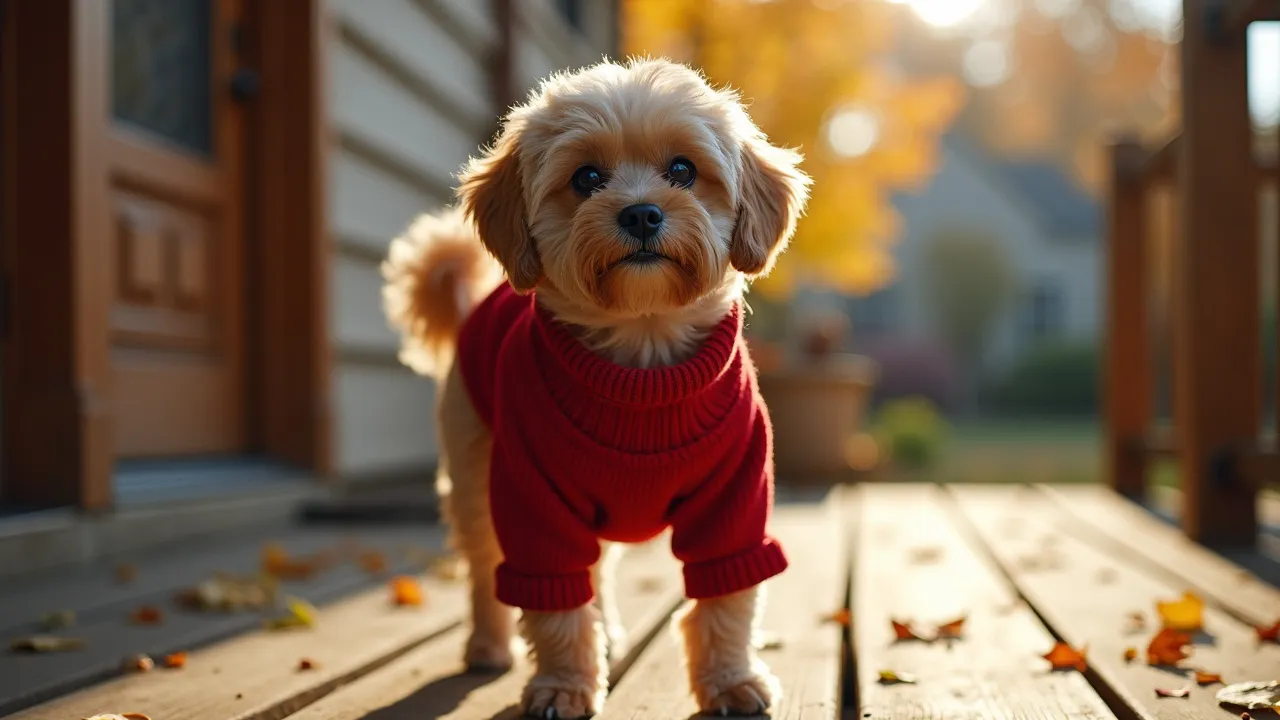
National Dress Up Your Pet Day is celebrated on January 14th, a day dedicated to the fun and creativity of dressing up our furry friends. Founded by pet lifestyle expert Colleen Paige, this observance encourages safe and joyful pet fashion while emphasizing pet comfort and bonding.
The Historical Origins & Evolutionary Journey
National Dress Up Your Pet Day, observed annually on January 14th, has a surprisingly modern origin rooted in the human-animal bond and the rise of pet humanization. Unlike ancient animal adornment practices, this specific day was created in the 21st century to celebrate the playful side of pet ownership.
The Foundational Catalyst
Colleen Paige, a renowned pet lifestyle expert, animal advocate, and author, founded National Dress Up Your Pet Day in 2009. Paige, who also created National Dog Day and National Cat Day, wanted to provide a designated time for pet owners to express their love through fashion while keeping pets safe and comfortable. She observed that dressing pets was becoming a popular trend but lacked guidelines for ethical and enjoyable practices. Thus, she formalized the day to promote responsible pet dressing.
The Legislative/Official Adoption
Though not a government holiday, the day gained traction through social media and pet industry support. By the early 2010s, it was widely recognized in pet magazines, blogs, and by major pet retailers like Petco and PetSmart, who began hosting dress-up contests and photo events. The American Kennel Club also endorsed the day as a fun way to celebrate pets.
Modern Global Legacy
Today, National Dress Up Your Pet Day is celebrated across the United States, Canada, the UK, and Australia. It has evolved from a niche event into a global social media phenomenon, with hashtags like #DressUpYourPetDay generating millions of posts. The day now includes online contests, charity fundraisers, and educational campaigns about pet safety in costumes.
How to Celebrate National Dress Up Your Pet Day
Celebrating this day is about combining fun with pet welfare. Below are expert-recommended ways to participate, categorized by setting.
For Individuals and Families
- Choose the Right Costume: Ensure the outfit is comfortable, breathable, and does not restrict movement or vision. Avoid small choking hazards.
- Supervised Dress-Up: Only keep the costume on for short periods (15-30 minutes) and watch for signs of distress like scratching or whining.
- Photo Session: Take cute photos in natural light. Use treats to reward your pet. Share on social media with the official hashtag.
- DIY Costumes: Create simple costumes from household items (e.g., a bandana or cape) to save money and ensure a perfect fit.
For Schools and Organizations
- Pet Dress-Up Contests: Host a virtual or in-person contest with categories like "Best Dressed" and "Most Creative." Offer prizes.
- Fundraising: Charge a small entry fee and donate proceeds to local animal shelters or rescue groups.
- Educational Seminars: Invite veterinarians to speak on pet safety and the importance of not forcing costumes on anxious animals.
Global Variations
In the United States, themed costume parties are popular. In Japan, where pet fashion is a major industry, many owners dress pets in elaborate handmade outfits. In the UK, the day is often linked to charity walks where pets wear tutus or superhero costumes. Australia emphasizes sun-safe fabrics and hats for pets in warmer climates.
The Benefits of Dressing Up Your Pet (When Done Right)
Properly executed dress-up can have surprising advantages for both pets and owners.
Bonding and Socialization
Dressing up can be a shared activity that strengthens the human-animal bond. The process of gently putting on a costume and offering treats builds trust. Costumed pets often attract positive attention during walks, providing socialization opportunities.
Practical Benefits
In cold climates, sweaters or coats provide essential warmth, especially for short-haired breeds. Booties protect paws from hot pavement or salt. Reflective vests improve visibility during nighttime walks.
Mental Stimulation
For dogs, wearing a costume can be a novel experience that engages their mind. Owners can pair dress-up with training commands like "sit" and "stay" to reinforce obedience.
Safety First: Guidelines for Ethical Pet Fashion
While fun, dressing pets requires careful adherence to safety protocols to prevent harm.
Costume Do's and Don'ts
- Do: Use lightweight, breathable fabrics like cotton. Avoid tight elastic bands around the neck or limbs.
- Don't: Use costumes with dangling buttons or sequins that can be chewed and swallowed. Avoid masks or hats that cover the eyes or ears.
- Do: Always supervise your pet while dressed. Remove the costume immediately if your pet shows signs of discomfort.
Signs of Stress
Watch for lip licking, yawning, cowering, or attempts to remove the costume. If any appear, the experience is not enjoyable for your pet. Some pets should never be dressed, such as those with anxiety or medical conditions.
Economic and Cultural Impact of Pet Fashion
The pet fashion industry has grown into a multi-billion-dollar sector, partly fueled by days like National Dress Up Your Pet Day.
Market Growth
According to the American Pet Products Association, spending on pet apparel and accessories reached $10 billion in 2023, up 20% from 2019. This holiday drives seasonal sales spikes in January.
Social Media Influence
Instagram and TikTok have major communities around pet fashion. Influencer pets like @tunameltsmyheart and @jiffpom popularize costume trends. Brands partner with these pets for sponsored posts.
Cultural Shifts
The day reflects a broader trend of pets as family members. In Western cultures, dressing pets is seen as affectionate, while in some Eastern cultures, it may be less common but growing among younger generations.
Environmental and Sustainability Considerations
As with human fashion, pet costumes have environmental footprints. Eco-conscious pet owners are adopting sustainable practices.
Sustainable Costume Options
- Upcycling: Use old fabrics, scarves, or baby clothes to make pet costumes instead of buying new.
- Biodegradable Materials: Look for costumes made from organic cotton, hemp, or recycled polyester.
- Secondhand: Thrift stores often have pet-friendly items. Many online communities exchange costumes.
Waste Reduction
Invest in high-quality, versatile pieces like a bandana or lightweight jacket that can be used year-round, rather than single-use costumes.
Historical Timeline
Colleen Paige, a pet lifestyle expert, establishes National Dress Up Your Pet Day to creatively celebrate the bond between pets and their owners, emphasizing safe and fun pet fashion.
The first major pet product retailers begin recognizing the day, offering discounts on pet apparel and hosting in-store costume contests.
Social media platforms, especially Facebook and Instagram, see a surge in posts using the hashtag #DressUpYourPetDay, establishing it as a viral trend.
The American Kennel Club officially endorses the day, publishing safety guidelines for pet costumes on its website.
Major pet brands like Petco launch nationwide events, partnering with animal shelters to promote pet adoption through dress-up fundraisers.
During the COVID-19 pandemic, virtual dress-up contests become popular, with owners sharing photos online while stuck at home.
National Dress Up Your Pet Day reaches peak global recognition, with over 10 million social media posts and coverage in major media outlets like People and Good Morning America.