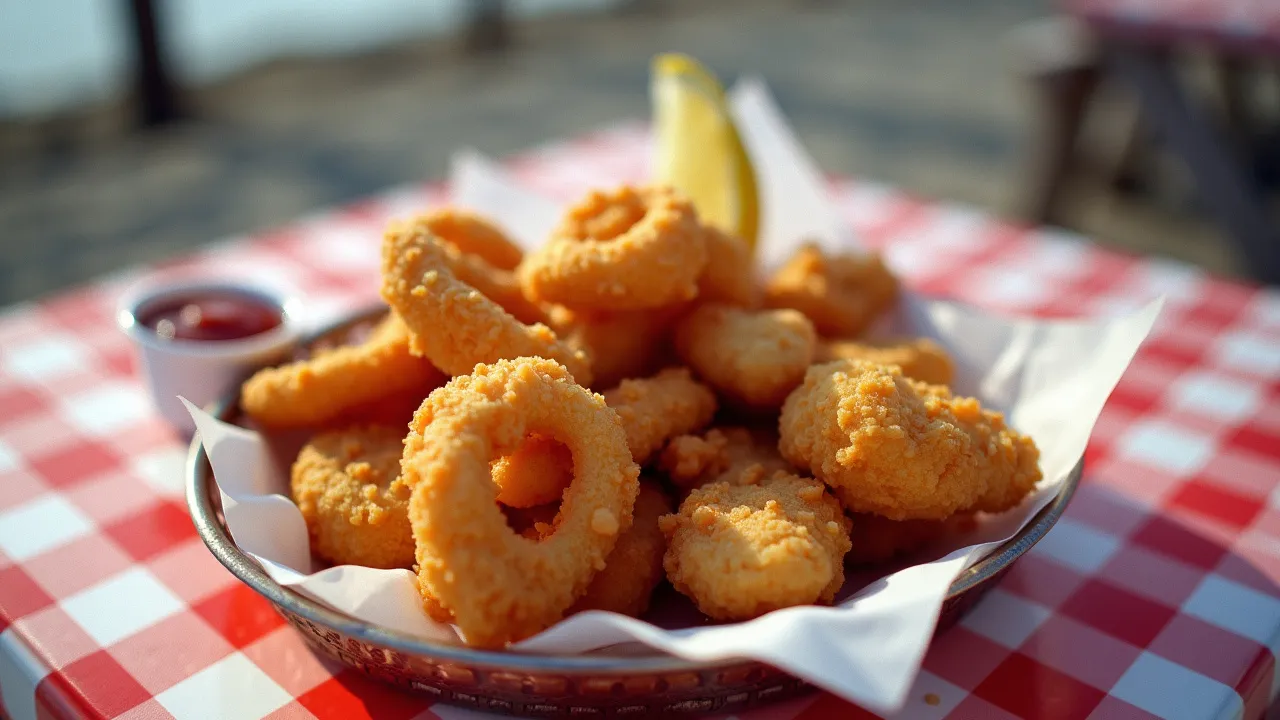
National Deep Fried Clams Day on November 1st celebrates the beloved New England staple of battered and fried clams. Enjoy this crispy seafood treat at restaurants, clam shacks, or homemade for a taste of coastal tradition.
The Historical Origins & Evolutionary Journey
National Deep Fried Clams Day, observed annually on November 1st, pays homage to one of New England's most iconic seafood dishes: the deep fried clam. This day is not merely about indulging in a crispy, golden-brown treat; it is a celebration of a culinary tradition that spans centuries, from Native American clambakes to modern-day clam shacks.
The Foundational Catalyst
The consumption of clams dates back thousands of years among coastal Indigenous peoples, who roasted or steamed them over open fires. The deep frying technique, however, arrived with European settlers. By the 19th century, fried clams became a staple in New England's coastal communities, particularly in Massachusetts and Maine. The soft-shell clam (Mya arenaria), also known as the 'steamer' or 'fryer', was the preferred variety due to its tender texture and briny flavor.
The Legislative/Official Adoption
The official establishment of National Deep Fried Clams Day is believed to have been spearheaded by seafood industry organizations in the early 2000s, aiming to boost sales of clams during the fall season. While there is no single founder, the day gained traction through the efforts of the National Restaurant Association and regional clam councils. November 1st was chosen strategically to follow Halloween, providing a savory counterbalance to the sugar-laden holiday and encouraging seafood consumption before the winter holidays.
Modern Global Legacy
Today, deep fried clams are enjoyed not only in the United States but also in Canada, the United Kingdom, and parts of Asia, where they appear on menus as pub grub or street food. The observance has expanded from a regional novelty to a nationwide celebration, with clam shacks offering specials, social media campaigns using #DeepFriedClamsDay, and cooking competitions drawing thousands of participants. The day also serves as a reminder of sustainable fishing practices, as clam populations remain healthy due to careful management.
How to Celebrate National Deep Fried Clams Day
Whether you're a seasoned clam lover or a curious newcomer, National Deep Fried Clams Day offers numerous ways to participate. From cooking at home to supporting local businesses, here are actionable strategies for individuals, schools, and organizations.
For Individuals and Families
- Make Your Own Fried Clams: Use fresh soft-shell clams, a simple batter of flour, cornmeal, and seasonings, and deep fry until golden. Serve with tartar sauce or lemon.
- Visit a Local Clam Shack: Support traditional eateries known for their fried clams, such as those along the Massachusetts coast or in Maine's Downeast region.
- Host a Clam Fry Party: Invite friends and family for a backyard feast. Pair fried clams with coleslaw, potato wedges, and cold beer.
- Share on Social Media: Post photos with the hashtag #NationalDeepFriedClamsDay to join the global conversation.
For Schools and Educational Institutions
- Seafood Studies Lesson: Teach students about clam biology, the history of clamming in New England, and the economic importance of the shellfish industry.
- Cooking Demonstration: Arrange a safe, supervised cooking session where students can learn to prepare fried clams.
- Field Trip: Visit a local clam farm or processing facility to understand sustainable harvesting.
For Restaurants and Organizations
- Offer Specials: Introduce a limited-time fried clam plate or a twist on the classic, e.g., clam tacos or fried clam po' boys.
- Host a Clam-Eating Contest: Engage the community with a fun competition judged by speed and quantity.
- Donate to Marine Conservation: Pair sales with contributions to organizations like the Ocean Conservancy, linking celebration to sustainability.
The Art of Preparing Deep Fried Clams
Perfecting deep fried clams requires attention to ingredient quality and technique. The following guide outlines the essential steps for achieving a crispy exterior and tender interior.
Selection and Cleaning
Choose fresh soft-shell clams (also known as 'steamers') or cherrystone clams if soft-shells are unavailable. Soak them in cold salted water for 20 minutes to purge sand, then rinse thoroughly. Shuck the clams, reserving the belly and the siphon; discard the tough neck skin if desired.
Batter and Breading
A classic batter combines equal parts all-purpose flour and yellow cornmeal, seasoned with salt, pepper, and a pinch of cayenne. Some recipes include baking powder for extra lightness. Dip the clams first in buttermilk or beaten egg, then dredge in the dry mix. For a lighter coating, use a thin tempura-style batter made with ice water and rice flour.
Frying
Heat oil (peanut, canola, or vegetable) to 375°F (190°C). Fry clams in small batches to avoid temperature drop. Cook for 1-2 minutes until golden brown. Drain on paper towels and serve immediately with lemon wedges, tartar sauce, or malt vinegar.
Regional Twists
- New England Style: Whole belly clams, batter-fried, served with coleslaw and onion rings.
- Maryland Style: Clam strips (sliced chowder clams) lightly breaded and fried, often served with Old Bay seasoning.
- British Style: Clams in a beer batter, akin to fish and chips, with mushy peas and chips.
Regional Variations Across the United States
Deep fried clams are a regional specialty with distinct preparations across the country. Understanding these variations enhances appreciation for the dish's diversity.
New England: The Epicenter
In Massachusetts and Maine, the whole belly clam reigns supreme. Clam shacks like the Clam Box in Ipswich, MA, or the Red's Eats in Wiscasset, ME, serve heaping baskets of golden fried clams. The batter is thick and crunchy, and the clams are left whole for maximum flavor.
Mid-Atlantic: The Strip Controversy
New York and New Jersey popularized clam strips—sliced from the tough bellies of larger chowder clams. These strips are tenderized and deep-fried, often served in a sandwich. The Howard Johnson's chain once famously offered 'Fried Clam Strips' nationwide.
Pacific Northwest: A Twist
In Oregon and Washington, restaurants sometimes substitute razor clams, which have a firmer texture. The preparation is similar, with a light batter and quick fry, and they are often served with aioli or cocktail sauce.
Southern Influence
In the Gulf states, fried clams are less common, but when available, they might be dusted with Cajun spices or served with remoulade. The tradition blends with the region's love for fried seafood, such as catfish and shrimp.
Sustainability and Sourcing of Clams
As we celebrate National Deep Fried Clams Day, it is crucial to consider the environmental impact of clam harvesting and consumption. Clams are among the most sustainable seafood options due to their low trophic level and minimal farming footprint.
Wild Harvest vs. Aquaculture
Wild clams are harvested by raking or dredging from sandy or muddy bottoms, with regulations ensuring that only mature clams are taken. Clam aquaculture, prevalent in Maine and Virginia, involves growing clams in mesh bags on the seafloor, which actually improves water quality by filtering plankton. Both methods are highly sustainable when managed correctly.
Certifications
Look for clams certified by the Marine Stewardship Council (MSC) or Best Aquaculture Practices (BAP). Many U.S. clam fisheries are independently certified for sustainable management.
Environmental Benefits
Clams are filter feeders; each clam can filter up to 10 gallons of water per day. Clam farming helps reduce nutrient pollution and combat harmful algal blooms. Choosing clams over other protein sources lowers your carbon footprint—farmed clams produce about 3 kg CO2 per kg of meat, compared to 27 kg for beef.
Conservation Tips
- Buy clams from local, traceable sources.
- Opt for farmed clams when available; they are often fresher and have less environmental impact.
- Avoid overfishing by supporting catch limits and closed seasons.
Health Considerations and Nutritional Profile
Deep fried clams are a treat best enjoyed in moderation, but they offer surprising nutritional benefits when prepared thoughtfully.
Nutritional Benefits
Clams are an excellent source of lean protein, vitamin B12, iron, and selenium. A 3-ounce serving of fried clams provides about:
- Protein: 22g
- Iron: 24% Daily Value (DV)
- Vitamin B12: 137% DV
- Selenium: 56% DV
- Omega-3 Fatty Acids: 300 mg
Caloric Considerations
Frying adds fat and calories; a typical basket of fried clams (about 1 cup) can contain 400-600 calories and 25-40g of fat. To reduce the impact, consider:
- Using an air fryer with a light spray of oil.
- Baking or broiling clams with a panko crust.
- Opting for a smaller portion and pairing with a side salad.
Allergen Alert
Clams are shellfish and can cause severe allergic reactions. Individuals with shellfish allergies should avoid this dish. Additionally, those on a low-sodium diet should be cautious, as seafood batter often contains salt.
Quality Matters
Always use fresh clams; avoid those with broken shells or a strong fishy odor. Properly cooked clams should have a firm texture and no off-flavors. Health authorities recommend cooking clams to an internal temperature of 145°F (63°C).
Cultural Significance and Festivals
Beyond the dining table, deep fried clams have permeated American culture, inspiring festivals, literature, and local pride.
Clam Festivals
The Wellfleet OysterFest (Massachusetts) and the Yarmouth Clam Festival (Maine) attract thousands annually, featuring fried clams as a centerpiece. These events include cooking demonstrations, shucking contests, and live music, celebrating the region's maritime heritage.
In Literature and Film
Fried clams appear in works by New England authors like John Steinbeck's The Winter of Our Discontent (set on a fictional Long Island) and in movies such as The Perfect Storm (2000), where characters enjoy a clam dinner. The dish symbolizes home, comfort, and coastal identity.
Global Spread
In the UK, 'fried clams' are often served in pubs and seaside fish and chip shops, battered and fried alongside chips. Japan has its own version: kaki fry (fried oysters) are more common, but fried clams appear in some coastal prefectures. Canada, especially Nova Scotia and Prince Edward Island, boasts its own clam-digging traditions and fried clam spots.
Social Media and Modern Celebrations
Instagram and TikTok have revived interest in the dish, with influencers posting 'clam challenges' and behind-the-scenes looks at clam shacks. The hashtag #DeepFriedClamsDay trends annually on November 1st, with food bloggers sharing recipes and nostalgic stories.
Historical Timeline
Deep frying clams becomes popular in New England coastal towns as a cheap, nutritious meal for fishermen and laborers. Soft-shell clams are harvested from tidal flats and fried in lard.
Howard Johnson's restaurant chain introduces fried clam strips as a signature item, making them widely available across the United States for the first time.
Seafood industry groups establish National Deep Fried Clams Day on November 1st to promote clam consumption and support the shellfish industry.
The day gains national recognition as major food networks and seafood bloggers launch special features, and the hashtag #NationalDeepFriedClamsDay trends on Twitter.
A record number of clam shacks across New England participate in the day, offering discounts and special menu items, while sustainability campaigns highlight the importance of responsible clam farming.