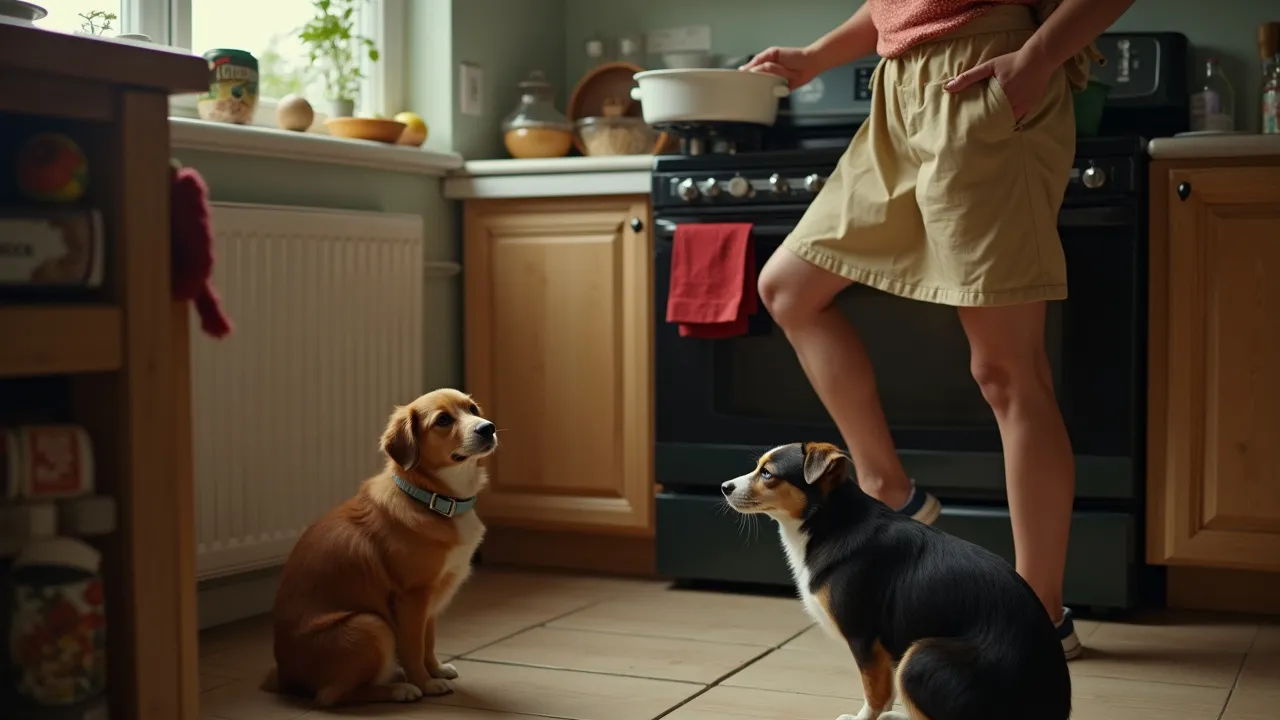
Celebrated on November 1st, National Cook For Your Pets Day encourages pet owners to prepare fresh, homemade meals for their furry companions, promoting healthier diets and stronger bonds.
The Historical Origins & Evolutionary Journey
National Cook For Your Pets Day traces its roots to the broader movement toward natural and whole-food diets for domestic animals, a shift that gained momentum in the late 20th century. While the official observance began in 2009, the concept of preparing homemade meals for pets is as old as domestication itself.
The Foundational Catalyst
The modern push for homemade pet food arose from growing concerns about commercial pet food safety and nutrition. Major recalls in 2007 (melamine contamination) and subsequent scares exposed the vulnerabilities of mass-produced kibble and canned diets. Pet owners began seeking alternatives, leading to a surge in home-cooking and raw-feeding communities online.
The Legislative & Official Adoption
In 2009, a coalition of pet nutritionists, veterinarians, and bloggers—collectively known as Pet Nutrition Advocates—established November 1st as National Cook For Your Pets Day. The date was chosen to encourage pet owners to start the holiday season with a focus on health and bonding. Over the years, the day has been endorsed by organizations like the American Veterinary Medical Association (AVMA) and pet food safety groups, though official recognition remains grassroots-based.
Modern Global Legacy
Today, the day is celebrated worldwide, with pet owners sharing recipes on social media, hosting cooking demonstrations, and donating homemade treats to shelters. It has also spurred a multi-billion-dollar industry in fresh, human-grade pet food delivery services and cookbooks.
How to Celebrate National Cook For Your Pets Day
This day is all about putting love and nutrition into your pet's bowl. Here are actionable strategies for individuals, families, and communities:
- Research Pet-Safe Ingredients — Not all human foods are safe for pets. Avoid grapes, raisins, onions, garlic, chocolate, and xylitol. Consult your veterinarian or a pet nutritionist.
- Start Simple — Cook a basic meal of lean protein (chicken, turkey, beef) and veggies (carrots, green beans, pumpkin) with a grain like rice or oats. No salt, oil, or seasoning.
- Balance the Diet — Homemade meals should be nutritionally complete. Consider adding calcium (bone meal), taurine for cats, and omega-3s. Use recipes from certified pet nutritionists.
- Host a Pet Potluck — Organize a small gathering with fellow pet owners and share homemade treats. Exchange recipes and tips.
- Donate to Shelters — Prepare extra batches of wholesome food and deliver them to local animal shelters. Always check with the shelter for their dietary policies.
- Share on Social Media — Post photos and recipes using #CookForYourPetsDay to inspire others and build a community.
- Attend Workshops — Many pet stores and veterinary clinics offer workshops on homemade pet food preparation. Check local listings.
Global Traditions
- United States — Focus on personalized recipes and pet-safe Thanksgiving leftovers.
- Australia — Emphasis on fresh, local meats and organ meats (kangaroo, lamb).
- Japan — Incorporation of fish and vegetables suitable for dogs and cats.
- Brazil — Use of tropical fruits like papaya and mango in pet treats.
Nutritional Benefits of Homemade Pet Food
Feeding your pet homemade food offers numerous health advantages, provided it is correctly balanced. Key benefits include:
- Ingredient Control — No artificial preservatives, fillers, or by-products.
- Allergen Management — Custom meals avoid common allergens like corn, soy, and certain proteins.
- Improved Digestion — Whole foods are often easier to digest and can reduce gastrointestinal issues.
- Better Coat & Skin — Omega-3s from fish or flaxseed promote shiny coats and healthy skin.
- Weight Management — Precise portion control helps maintain ideal body condition.
Potential Risks
Without proper formulation, homemade diets can lead to nutrient deficiencies or toxicities. It's crucial to work with a veterinary nutritionist to ensure the diet meets AAFCO (Association of American Feed Control Officials) standards for life stages.
The Economic Impact of the Homemade Pet Food Movement
The rise of homemade pet food has reshaped the pet industry. According to market research, the fresh pet food sector grew by over 20% annually from 2015 to 2023. This includes subscription-based delivery services (e.g., The Farmer's Dog, Nom Nom Now) and boutique brands offering human-grade ingredients.
Simultaneously, the movement has boosted ancillary markets: pet cookbooks, specialty kitchen appliances (e.g., instant pots with pet-friendly settings), and nutritional supplements. Small businesses have emerged offering personal consultations and custom meal plans.
Cost Considerations
While homemade diets can be cost-effective for some, they often require more expensive ingredients and time. A typical homemade diet for a 50-pound dog may cost $3–5 per day, comparable to premium commercial brands but less than veterinary prescription diets.
Controversies and Criticisms
Despite its popularity, the homemade pet food movement faces scrutiny from veterinary professionals. Major criticisms include:
- Nutritional Imbalance — Studies show that many homemade recipes fail to meet essential nutrient profiles.
- Safety Risks — Pathogens from raw meats (if raw feeding is practiced) can harm both pets and humans.
- Lack of Regulation — Unlike commercial pet food, homemade diets are not subject to quality control.
- Time & Effort — Preparing balanced meals daily requires significant commitment.
The Veterinary Perspective
The AVMA recommends that homemade diets be developed under the guidance of a board-certified veterinary nutritionist to mitigate risks. However, they acknowledge that high-quality commercial diets remain the safest and most convenient option for most pet owners.
Environmental and Ethical Considerations
Homemade pet food can align with sustainable and ethical values. By sourcing local, humanely raised meats and organic produce, pet owners can reduce their carbon pawprint compared to industrial pet food production, which relies on massive amounts of resource-intensive ingredients.
However, the environmental impact of feeding pets human-grade food is debated. Some argue that using by-products (which are often discarded) in commercial pet food is more sustainable. Others advocate for insect-based proteins or lab-grown meat as future alternatives. The day also promotes reducing waste by using vegetable scraps creatively.
Future Trends in Pet Nutrition
As National Cook For Your Pets Day evolves, several trends are emerging:
- Personalized Nutrition — DNA-based diet plans for pets.
- Tech-Integrated Cooking — Apps that calculate exact nutrient requirements and generate recipes.
- Hybrid Diets — Combining homemade fresh food with high-quality commercial supplements.
- Cultural Fusion Recipes — Incorporation of global cuisines, such as Korean (bibimbap for dogs) or Mexican (burrito bowls).
The day continues to inspire innovation while emphasizing the core value: expressing love for our animals through wholesome, thoughtfully prepared food.
Historical Timeline
James Spratt invents the first commercial dog biscuit, marking the beginning of the pet food industry.
Ken-L Ration introduces the first canned dog food, shifting pet diets toward processed foods.
The raw feeding movement emerges, with advocates like Ian Billinghurst promoting ancestral diets.
Major pet food recall due to melamine contamination, sparking widespread distrust of commercial pet food and a surge in home cooking.
Pet Nutrition Advocates establish November 1st as National Cook For Your Pets Day.
First pet cookbook for human-grade meals, 'The Whole Pet Diet', becomes a bestseller.
Celebrity chef Rachael Ray launches a line of pet food inspired by home-cooked recipes.
The American Veterinary Medical Association releases formal guidelines for homemade pet diets.
During the pandemic, pet owners increased home cooking, leading to a 50% rise in fresh pet food subscriptions.
National Cook For Your Pets Day gains official recognition from the Pet Food Institute and is celebrated in over 30 countries.