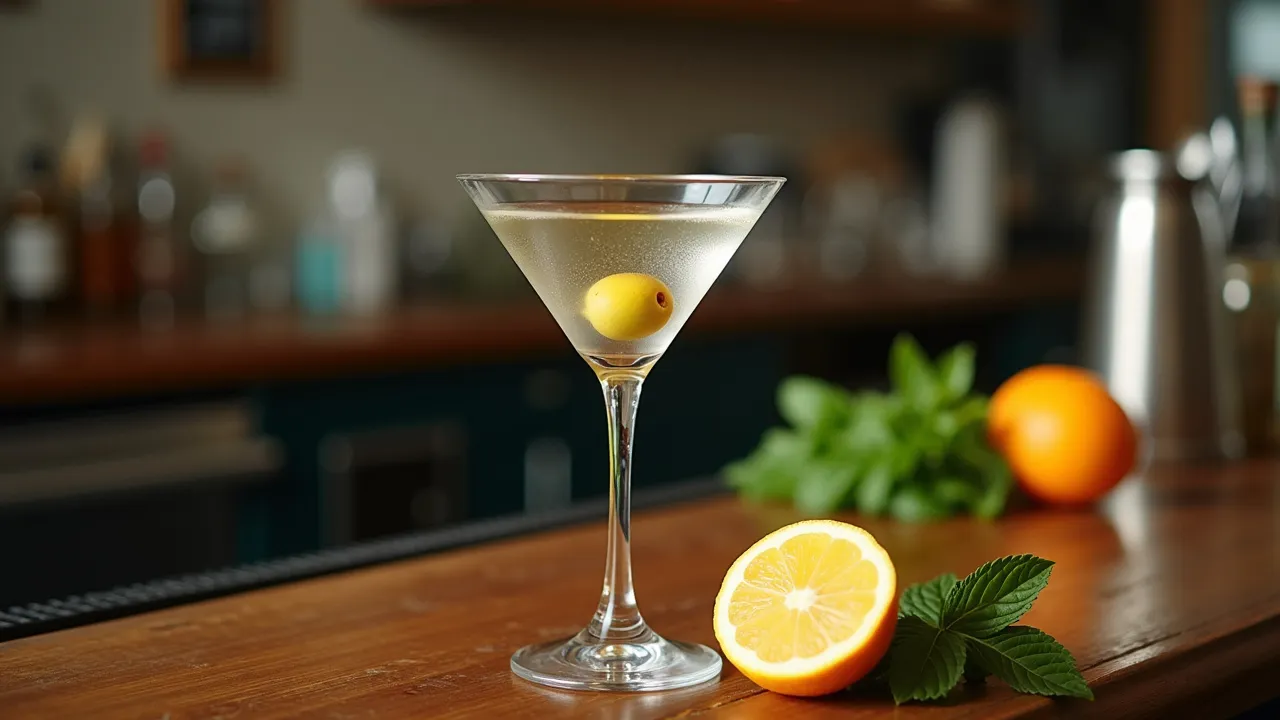
Raise a glass on March 24th as we celebrate National Cocktail Day, honoring the art and history of mixology. From classic recipes to modern twists, this day invites everyone to enjoy a well-crafted drink.
The Historical Origins & Evolutionary Journey
National Cocktail Day, observed on March 24th, celebrates the rich history and cultural impact of mixed drinks. The term 'cocktail' first appeared in print on May 13, 1806, in The Balance and Columbian Repository, defining it as a stimulating liquor composed of spirits, sugar, water, and bitters. However, the day itself is tied to March 24th for reasons lost to time—perhaps a nod to the start of spring and the return of social gatherings.
The Foundational Catalyst
The cocktail's origins trace back to 18th-century England and America, where punches and medicinal elixirs evolved into recreational beverages. By the 1800s, bartenders like Jerry Thomas—author of The Bartender's Guide (1862)—standardized recipes, turning mixology into a respected craft. The first cocktail party is credited to Mrs. Julius S. Walsh Jr. in 1916 St. Louis, solidifying cocktails as social centerpieces.
The Legislative/Official Adoption
National Cocktail Day emerged organically from foodie and bartender communities, lacking a single founder. It gained traction via social media and calendar publishers like National Day Calendar, which lists it as a U.S. observance. No official government proclamation exists, but its popularity endures.
Modern Global Legacy
Today, craft cocktail bars redefine mixology with artisanal ingredients, molecular techniques, and cultural fusions. National Cocktail Day encourages both amateurs and professionals to experiment, celebrate moderation, and honor cocktail heritage.
How to Celebrate National Cocktail Day
Whether you're a seasoned mixologist or a curious beginner, National Cocktail Day offers endless ways to participate. Below are actionable ideas for individuals, groups, and businesses.
For Individuals & Friends
- Host a Cocktail Party: Invite friends for a tasting evening. Provide a signature cocktail and ask guests to bring their favorite recipes.
- Visit a Local Bar: Support neighborhood bartenders by trying a new craft cocktail or a classic like an Old Fashioned or Negroni.
- Learn a New Recipe: Practice making a classic—try a Daiquiri, Martini, or Margarita using fresh ingredients.
For Schools & Organizations
- Educational Tastings: Non-alcoholic cocktail (mocktail) competitions teach chemistry and creativity.
- History Workshops: Explore the Prohibition era's influence on cocktail culture and the rise of speakeasies.
Global Traditions
- United States: Bars offer special menus; home enthusiasts share creations on social media with #NationalCocktailDay.
- United Kingdom: Pubs often host cocktail quizzes and themed nights.
- Japan: Precision-focused bartending showcases techniques like hard shaking and carved ice.
- Mexico: Celebrated with tequila- and mezcal-based cocktails like Palomas and Margaritas.
The Art & Science of Mixology
Mixology blends chemistry, creativity, and sensory expertise. Understanding ingredients, techniques, and balance elevates a drink from good to unforgettable.
Essential Techniques
- Shaking: For cocktails with citrus, dairy, or eggs (e.g., Margarita, Whiskey Sour).
- Stirring: For spirit-forward drinks (e.g., Martini, Manhattan) to avoid dilution.
- Muddling: Releasing flavors from herbs, fruit, or spices (e.g., Mojito).
- Layering: Creating visually striking layered cocktails using density differences.
Key Ingredients
- Spirits: Vodka, gin, rum, whiskey, tequila, brandy.
- Modifiers: Vermouth, liqueurs, bitters.
- Fresh Components: Citrus juices, herbs, syrups.
- Ice: Large cubes melt slower, preserving flavor.
Iconic Cocktails Through History
Certain cocktails have achieved legendary status, shaping culture and trends. Here's a look at timeless classics.
Pre-Prohibition Era
- Martini: Evolved from the Martinez recipe in the 1860s. Originally sweet, it became dry gin and vermouth.
- Manhattan: Created in the 1870s at the Manhattan Club, New York, with rye whiskey.
Prohibition & Speakeasies
- Sidecar: Brandy, orange liqueur, lemon juice—a sour that masked bootleg spirits.
- Bee's Knees: Gin, lemon, honey—another Prohibition-era sweetener.
Tiki Boom (1930s-50s)
- Mai Tai: Created by Victor J. Bergeron in 1944, combining rum, lime, orgeat, and curaçao.
Modern Revival
- Old Fashioned: Simplified after Prohibition's end, now a symbol of craft cocktail revival.
- Negroni: Equal parts gin, Campari, sweet vermouth, famously revived in the 2000s.
Cocktail Culture Around the World
National Cocktail Day transcends borders, with each region contributing unique flavors and traditions.
Latin America
Caipirinha (Brazil): Cachaça, lime, sugar—a national treasure.
Pisco Sour (Peru/Chile): Pisco, lime, egg white, bitters.
Europe
Aperol Spritz (Italy): Prosecco, Aperol, soda—a social staple.
French 75 (France): Gin, Champagne, lemon, sugar—elegance in a glass.
Asia
Singapore Sling (Singapore): Gin, cherry brandy, pineapple—a tropical icon.
Japanese Cocktails: Precision-made highballs and fruit-infused concoctions.
Health, Safety & Responsible Enjoyment
Celebrating National Cocktail Day includes prioritizing well-being. Moderation and safety ensure the day remains positive.
Responsible Drinking Tips
- Pace yourself: One standard drink per hour.
- Alternate with water or non-alcoholic beverages.
- Never drink and drive; use a designated driver or ride-share.
Non-Alcoholic Alternatives
- Mocktails: Creative blends without alcohol, e.g., Shirley Temple, Virgin Mojito.
- Low-ABV Cocktails: Use lower-proof spirits or vermouth-based drinks.
Nutritional Considerations
Cocktails can be high in sugar and calories. Opt for fresh ingredients and skip sugary mixers.
Historical Timeline
The term 'cocktail' first defined in The Balance and Columbian Repository as a stimulating liquor with spirits, sugar, water, and bitters.
Jerry Thomas publishes 'The Bartender's Guide', the first cocktail recipe book, standardizing mixology.
The Manhattan cocktail is created at the Manhattan Club in New York City.
The first cocktail party is hosted by Mrs. Julius S. Walsh Jr. in St. Louis, Missouri.
Prohibition in the U.S. forces bartending underground; speakeasies flourish, and many classic cocktails are invented to mask poor-quality spirits.
The first legal cocktail party after Prohibition is held at the Waldorf Astoria in New York.
The Mai Tai is created by Victor J. Bergeron at Trader Vic's in Oakland, California, sparking the Tiki trend.
Craft cocktail revival begins, with bartenders focusing on fresh ingredients, house-made syrups, and classic techniques.
National Cocktail Day (March 24th) emerges as a popular food holiday, promoted by social media and national day calendars.