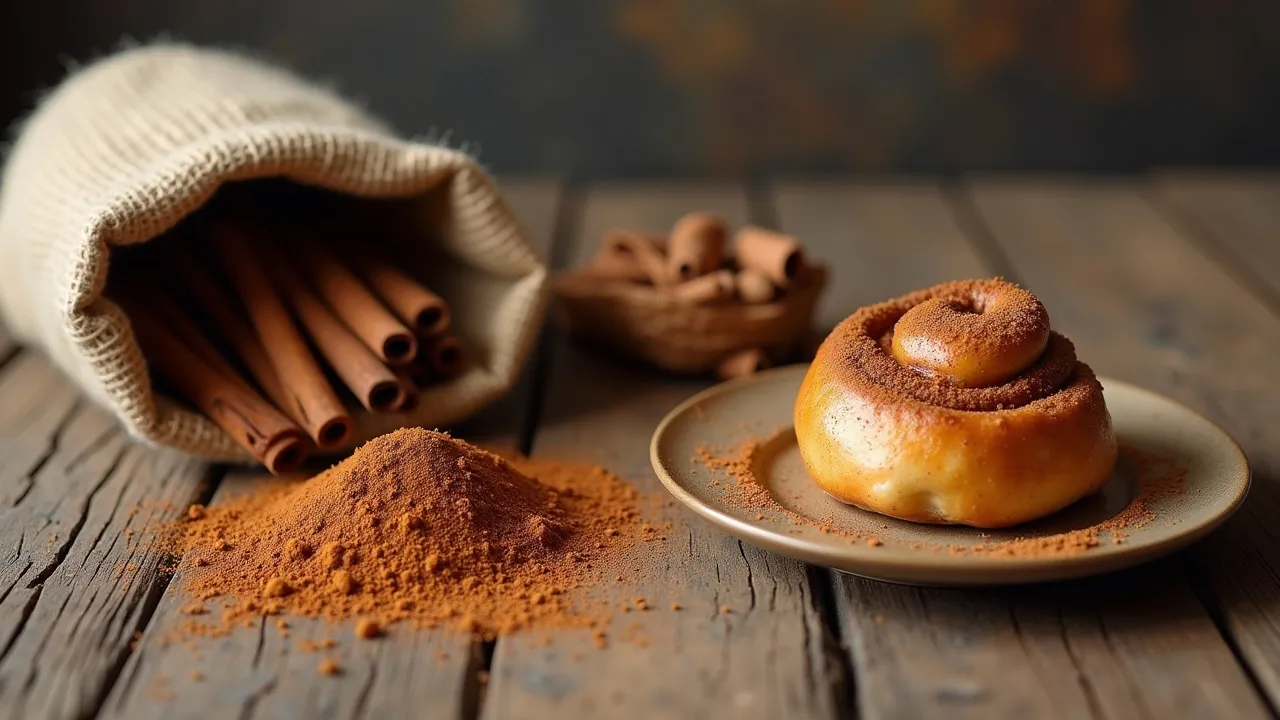
National Cinnamon Day on November 1st honors the warm, aromatic spice derived from the bark of Cinnamomum trees. Discover its rich history, health benefits, and global culinary traditions.
The Historical Origins & Evolutionary Journey
National Cinnamon Day, observed annually on November 1st, celebrates one of the world's oldest and most beloved spices. The day was established by the American Spice Trade Association (ASTA) to promote the use and appreciation of cinnamon in cooking, baking, and wellness. Its first official celebration took place in 2019, though informal tributes to cinnamon have existed for centuries.
The Foundational Catalyst
Cinnamon's history dates back to ancient Egypt, where it was used in embalming and religious rituals. It was so valued that it was considered a gift fit for kings and gods. The spice originates from the inner bark of Cinnamomum trees, native to Sri Lanka (true cinnamon) and China (cassia). By the Middle Ages, Arab traders brought cinnamon to Europe along perilous spice routes, making it a symbol of wealth and luxury. The quest for cinnamon and other spices directly influenced the Age of Exploration, with explorers like Vasco da Gama seeking direct access to cinnamon-producing regions.
The Legislative/Official Adoption
In the 21st century, the American Spice Trade Association sought to create a day that not only highlights cinnamon's culinary versatility but also its health benefits and economic importance. November 1st was chosen because it falls just after Halloween and before the holiday baking season, a peak time for cinnamon usage in pies, cookies, and mulled drinks. The day gained traction through social media campaigns, restaurant promotions, and educational programs. Unlike many food holidays, National Cinnamon Day does not have a specific congressional designation but is widely recognized by spice companies, food bloggers, and culinary enthusiasts.
Modern Global Legacy
Today, National Cinnamon Day is celebrated across the United States and increasingly in other countries. It serves as a platform to educate consumers about the difference between true cinnamon (Cinnamomum verum) and cassia (Cinnamomum cassia), as well as the spice's role in traditional medicine. The day also supports sustainable farming practices, as cinnamon production is vital to economies in Sri Lanka, Indonesia, and Vietnam. With the rise of social media, the hashtag #NationalCinnamonDay trends annually, featuring recipes, health tips, and DIY cinnamon crafts.
How to Celebrate National Cinnamon Day
National Cinnamon Day offers endless opportunities to enjoy this versatile spice. Whether you're a home cook, a health enthusiast, or a business owner, here are actionable ways to participate.
Personal Celebrations
- Bake cinnamon-infused treats: Try classic cinnamon rolls, snickerdoodles, or apple pie. Experiment with savory dishes like cinnamon-spiced chili or roasted sweet potatoes.
- Brew a cinnamon tea: Simmer a cinnamon stick in water with honey and lemon for a warming drink.
- Create a spice blend: Mix cinnamon with nutmeg, cloves, and ginger for a homemade pumpkin pie spice.
School & Community Activities
- Spice tasting class: Organize a session to compare true cinnamon vs. cassia.
- Art projects: Use cinnamon sticks and powder for scented ornaments or cinnamon-salt-dough crafts.
- Fundraiser: Sell cinnamon-related baked goods to support local food banks.
Corporate & Social Media Ideas
- Offer a cinnamon special: Cafés can feature a cinnamon latte; restaurants can add a cinnamon dessert.
- Run a giveaway: Share cinnamon-themed prizes on social media using #NationalCinnamonDay.
- Educational blog posts: Write about cinnamon's health benefits (e.g., anti-inflammatory, blood sugar regulation).
Global Traditions
In Sri Lanka, true cinnamon is celebrated with harvest festivals. In Mexico, cinnamon is essential for champurrado (a chocolate drink) and arroz con leche. In India, it's a key ingredient in garam masala and chai. Many countries have their own cinnamon-focused events on different dates, but November 1st remains the primary US date.
Health Benefits of Cinnamon
Cinnamon is more than a flavorful spice; it's packed with powerful medicinal properties. Research has shown that regular consumption may help manage blood sugar levels, reduce inflammation, and fight bacterial infections.
Blood Sugar Control
Studies indicate that cinnamon can improve insulin sensitivity and lower fasting blood glucose. A meta-analysis of 18 studies found that cinnamon intake significantly reduced fasting blood sugar and triglycerides.
Anti-Inflammatory & Antioxidant Effects
Cinnamon contains high levels of cinnamaldehyde, a compound that inhibits inflammatory pathways. Its antioxidants, like polyphenols, protect cells from oxidative stress.
Antimicrobial Properties
Cinnamon oil effectively combats common pathogens, including E. coli and Candida. Chewing cinnamon sticks or using cinnamon mouthwash may support oral health.
Always use cinnamon in moderation, as cassia contains coumarin, which can be harmful in large doses. Opt for true Ceylon cinnamon for daily use.
Cinnamon in Global Cuisines
Cinnamon bridges sweet and savory dishes across cultures. Its warm, woody flavor is indispensable in both traditional and modern cooking.
Sweet Classics
- USA: Cinnamon rolls, apple pie, cinnamon toast, and pumpkin spice lattes.
- Mexico: Champurrado, churros with cinnamon sugar, and café de olla.
- France: Pain d'épices (spiced bread) and cinnamon pear tarts.
Savory Staples
- India: Garam masala, biryani, and cinnamon-spiced curries.
- Morocco: Tagines with cinnamon, saffron, and dried fruits.
- Middle East: Kabsa, biryani, and cinnamon-infused lamb stews.
Beverages
- Mulled wine: Red wine with cinnamon sticks, cloves, and orange peel.
- Chai tea: Black tea simmered with cinnamon, cardamom, and milk.
- Horchata: Rice milk drink with cinnamon and vanilla.
Environmental & Economic Impact of Cinnamon
Cinnamon cultivation supports millions of farmers in tropical regions, but it also poses environmental challenges. Sustainable practices are crucial to ensure long-term viability.
Economic Importance
Sri Lanka is the largest producer of true cinnamon, accounting for about 80% of global supply. Indonesia leads in cassia production. The global cinnamon market is valued at over $2 billion, with demand rising for organic and fair-trade certifications.
Environmental Concerns
Traditional cinnamon farming often involves clearing forests for monoculture plantations. Pesticide use and soil degradation are issues. However, many producers now adopt agroforestry, planting cinnamon alongside native trees to preserve biodiversity. Look for Rainforest Alliance or Fair Trade labels to support eco-friendly practices.
Cinnamon in Science & Modern Research
Scientific interest in cinnamon has surged. Recent studies explore its potential beyond the kitchen.
Cognitive Function
Preliminary animal studies suggest cinnamon may improve memory and reduce Alzheimer's risk. Human trials are ongoing.
Weight Management
Cinnamon may boost metabolism and reduce fat storage. A small study found that cinnamon extract decreased body fat in people with metabolic syndrome.
Cancer Research
In vitro studies show that cinnamaldehyde can induce apoptosis (cancer cell death) in several cancer types. However, human evidence is still limited.
While promising, more research is needed. Always consult a healthcare professional before using cinnamon as a treatment.
Historical Timeline
Ancient Egyptians use cinnamon in embalming and as a traditional medicine.
Roman naturalist Pliny the Elder writes about cinnamon's high value and mentions its origins in Ethiopia (a misconception).
Portuguese explorers discover the source of cinnamon in Sri Lanka, leading to a monopoly.
Cinnamon cultivation begins in Java, breaking the Sri Lankan monopoly.
American Spice Trade Association establishes the first National Cinnamon Day on November 1st.
National Cinnamon Day gains global recognition on social media, with millions of posts and participation from major spice brands.