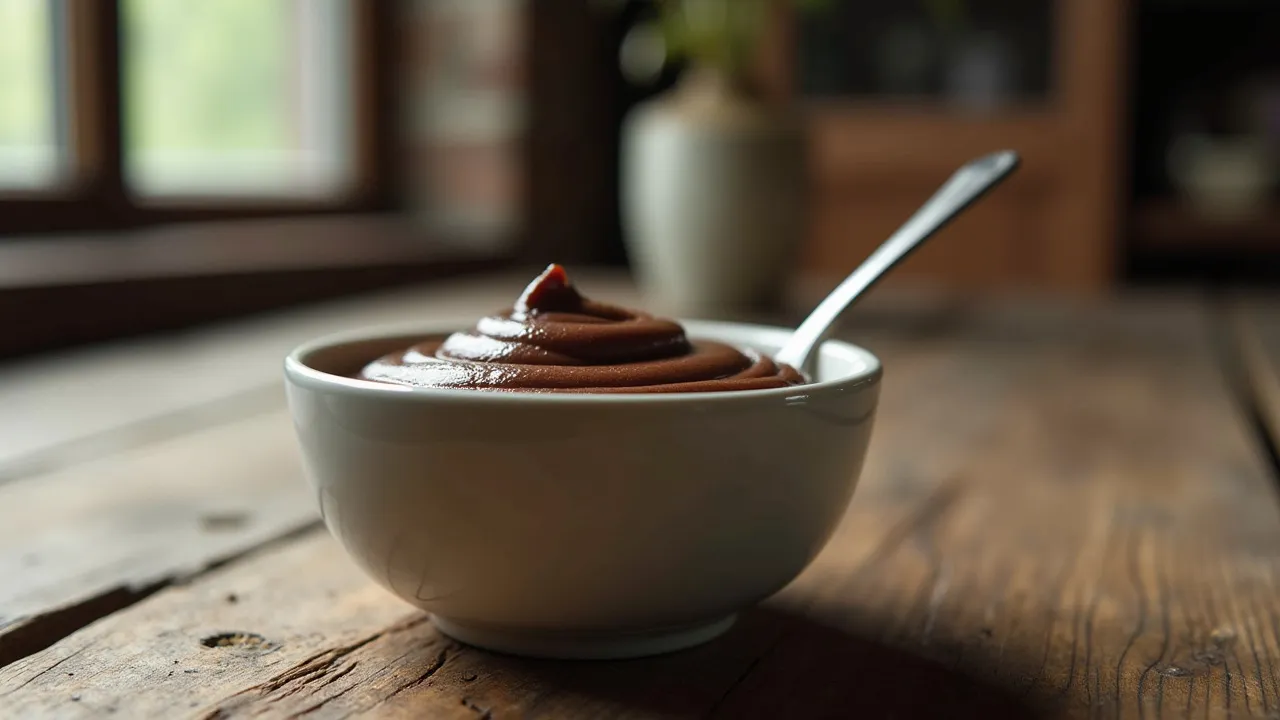
National Chocolate Pudding Day, observed on June 26th, celebrates the rich, creamy dessert loved worldwide. Learn its history, how to celebrate, and fun traditions.
The Historical Origins & Evolutionary Journey
Chocolate pudding has been a beloved comfort dessert for centuries, but its official day of recognition is a modern invention. National Chocolate Pudding Day, celebrated on June 26th, honors this creamy concoction that evolved from ancient chocolate drinks to the instant pudding mixes of today.
The Foundational Catalyst
The origins of chocolate pudding trace back to the Aztecs and Mayans, who prepared a bitter, frothy drink called xocolātl from cacao beans. Spanish conquistadors brought cacao to Europe in the 16th century, where it was sweetened and thickened. By the 18th century, chocolate-based puddings appeared in British cookbooks, often using custard-like egg-thickened bases. The first documented chocolate pudding recipe appears in 1847 in Eliza Acton's Modern Cookery for Private Families.
The Legislative/Official Adoption
National Chocolate Pudding Day was not established by government proclamation but by the National Day Calendar, a private organization that catalogs and promotes various food holidays. The exact year of establishment is ambiguous, but it gained popularity in the early 2010s through social media and food blogs. Unlike official holidays, it has no formal legislation, but it is widely observed by dessert enthusiasts, brands, and culinary communities.
Modern Global Legacy
Today, chocolate pudding is a staple in American households, especially as a quick dessert from instant mixes. The day has expanded to include gourmet versions, vegan adaptations, and international variations. It serves as a reminder of the evolution of chocolate from a bitter beverage to a versatile ingredient. Social media campaigns often feature homemade recipes, pudding art, and nostalgic memories.
How to Celebrate National Chocolate Pudding Day
Celebrating National Chocolate Pudding Day can be as simple or elaborate as you wish. From classic recipes to innovative twists, here is the ultimate guide to making the most of June 26th.
Individual Celebrations at Home
Make from scratch: Use high-quality cocoa powder, dark chocolate, and fresh eggs for a rich, silky pudding.
Experiment with flavors: Add espresso powder, sea salt, or chili flakes for a sophisticated touch.
Create a pudding parfait: Layer chocolate pudding with whipped cream, crushed cookies, and berries.
School and Community Events
Pudding taste test: Compare homemade, store-bought, and gourmet versions.
Pudding art contest: Use pudding as a canvas with edible decorations.
Donate pudding cups: Distribute packaged pudding to local shelters or food banks.
Corporate and Social Rituals
Office potluck: Encourage colleagues to bring their signature puddings.
Brand engagement: Restaurants and bakeries can offer special pudding discounts or limited-edition flavors.
Social media challenge: Post a video of pudding preparation using #NationalChocolatePuddingDay.
Global Celebration Dynamics
In the United States, the day is marked with home baking and instant pudding. In the United Kingdom, chocolate pudding often refers to steamed chocolate sponge with custard, known as chocolate pudding despite being a cake. In France, chocolate pudding is akin to chocolat fondant or a creamy mousse. In Brazil, a similar dessert called pudim de chocolate is a baked flan-like dessert. Each region adapts the celebration to its culinary traditions.
Global Impact and Cultural Significance of Chocolate Pudding
Chocolate pudding transcends borders, appearing in diverse forms across cultures. Its universal appeal lies in its simplicity and nostalgia.
Comfort Food Status
In many Western countries, chocolate pudding evokes childhood memories of cafeteria lunches and after-school snacks. It is often associated with comfort and warmth, leading to its popularity in times of stress. The rise of gourmet pudding shops in cities like New York and London reflects a growing demand for artisanal versions.
Economic Impact
The instant pudding market alone generates billions annually, with major brands like Jell-O and Kozy Shack dominating. The day encourages sales of cocoa, milk, and pudding mixes. Small dessert businesses often create limited-edition flavors to attract customers.
Cultural Adaptations
In Japan, chocolate pudding is often served as a creamy purin, a caramel-topped custard. In India, chocolate pudding is blended with local spices like cardamom. In Australia, a popular version is chocolate self-saucing pudding, a warm sponge cake with a gooey chocolate sauce. These variations highlight how a simple dessert can be reinvented.
Health and Nutritional Aspects of Chocolate Pudding
While chocolate pudding is primarily a treat, it can be part of a balanced diet when consumed mindfully.
Nutritional Profile
A typical serving of homemade chocolate pudding (½ cup) contains around 200-300 calories, with 10-15g of fat, 30-40g of carbohydrates, and 3-5g of protein. Instant puddings may contain more sugar and preservatives. Dark chocolate versions offer antioxidants called flavonoids.
Dietary Variations
Vegan: Use almond milk, coconut milk, or silken tofu. Sweeten with maple syrup or dates.
Keto: Substitute sugar with erythritol and use heavy cream or coconut cream.
Gluten-free: Most puddings are naturally gluten-free, but check labels for additives.
Mindful Indulgence
Enjoying chocolate pudding in moderation can satisfy sweet cravings without guilt. Pairing with fruit or using dark chocolate can increase health benefits. National Chocolate Pudding Day is an opportunity to experiment with healthier versions without sacrificing taste.
Variations Around the World: Regional Takes on Chocolate Pudding
Chocolate pudding exists in many forms, from custards to sponges to frozen treats.
North America
United States: Stovetop or instant pudding, often served cold with whipped cream.
Canada: Similar to US, but also includes chocolate pudding cakes like pouding chômeur.
Europe
United Kingdom: Steamed chocolate sponge pudding with hot custard, often called chocolate pudding.
France: Fondant au chocolat (molten chocolate cake) or creamy chocolate mousse.
Italy: Budino di cioccolato, a dense, baked custard.
Latin America
Mexico: Champurrado is a thick hot chocolate drink, sometimes considered pudding-like. Also pudín de chocolate which is similar to flan.
Brazil: Pudim de chocolate is a baked caramel-topped custard.
Asia
Japan: Purin is a caramel custard, often with chocolate flavor.
Philippines: Leche flan with chocolate, or creamy chocolate pudding made with cassava.
The Future of Chocolate Pudding: Trends and Innovations
As culinary trends evolve, chocolate pudding continues to adapt.
Plant-Based Revolution
Vegan chocolate puddings are on the rise, using ingredients like avocado, coconut cream, and aquafaba. These versions appeal to health-conscious and environmentally aware consumers.
Functional Ingredients
Some brands incorporate probiotics, protein, or superfoods like chia seeds into chocolate pudding to make it a functional snack.
Technology and Convenience
Single-serve cups continue to dominate convenience stores, but premium brands are offering pourable or heat-and-serve options. At-home 3D printing of pudding decorations is an emerging novelty.
Sustainability
Fair trade and organic cocoa are becoming standard in artisanal puddings. The day encourages discussions about ethical chocolate sourcing and reducing plastic waste from packaging.
Historical Timeline
Aztecs and Mayans prepare xocolātl, a bitter chocolate drink, which is the precursor to modern chocolate pudding.
Spanish conquistadors introduce cacao to Europe. Adding sugar and milk creates a sweeter drink.
Eliza Acton publishes the first known recipe for 'chocolate pudding' in her book Modern Cookery for Private Families.
Instant pudding mixes are developed by companies like Jell-O, revolutionizing dessert convenience.
Pudding Pops (frozen pudding on a stick) become popular in the U.S., invented by Bill Cosby's promotion for Jell-O.
National Day Calendar begins promoting National Chocolate Pudding Day on June 26th, marking the first widely recognized observance.
Vegan and gluten-free chocolate puddings gain mainstream popularity, with many brands offering plant-based versions.