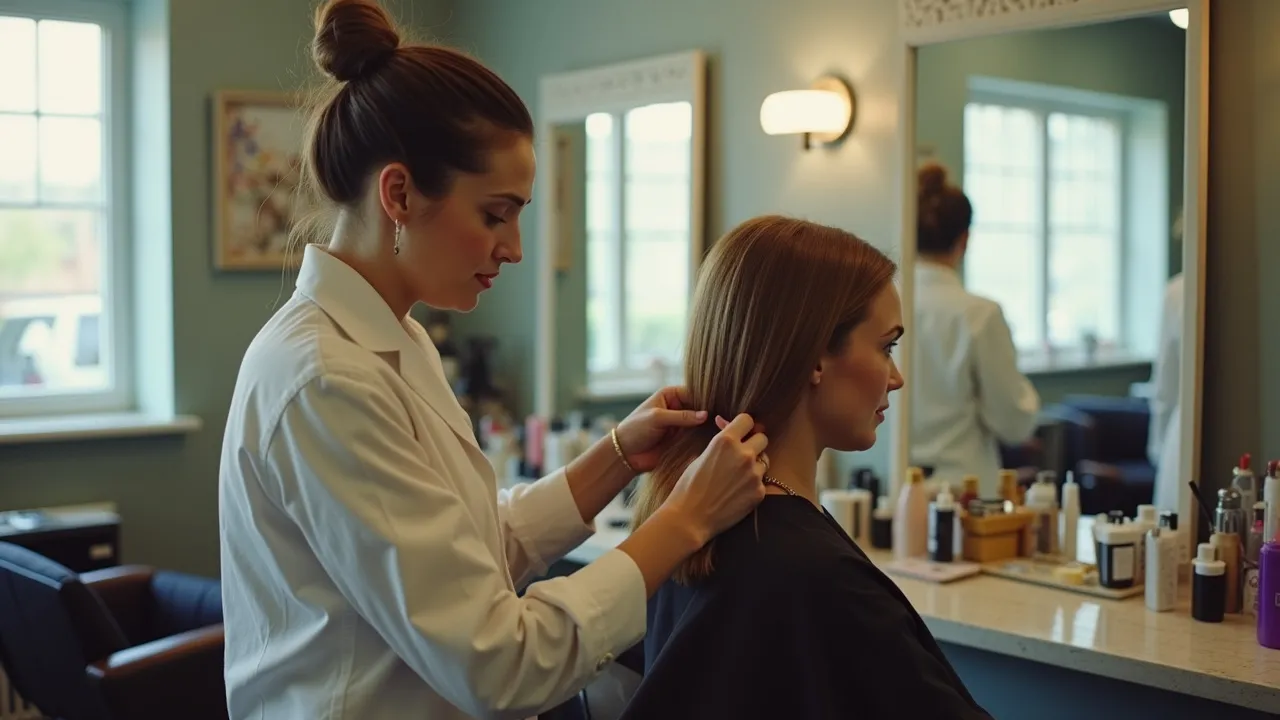
National Beautician's Day, observed annually on June 26th, celebrates the artistry and dedication of beauty professionals. This day honors cosmetologists, hairstylists, and estheticians who enhance confidence and well-being through their craft.
The Historical Origins & Evolutionary Journey
National Beautician's Day traces its roots to the rise of professional beauty services in the early 20th century. While the exact origin is debated, the official observance on June 26th was championed by the National Cosmetology Association to recognize the contributions of beauty professionals worldwide. This section explores the foundational catalyst, official adoption, and modern legacy of this celebration.
The Foundational Catalyst
The concept of a dedicated day for beauticians emerged from the growing professionalism of the beauty industry. In the late 19th and early 20th centuries, beauty work was largely informal, performed at home or by traveling salespeople. The establishment of cosmetology schools, such as the first in Chicago in 1909, and state licensing boards created a need for recognition. The National Cosmetology Association (NCA), founded in 1946, became the voice for licensed professionals. By the 1970s, the NCA advocated for a national day to highlight the economic and social impact of beauticians. The catalyst was the rapid expansion of salons and increasing consumer reliance on beauty services.
The Legislative/Official Adoption
After years of advocacy, the NCA successfully petitioned the U.S. Congress to designate June 26th as National Beautician's Day. The date was chosen to align with the summer solstice, a period of renewal and transformation mirroring the beautician's role. The proclamation, signed in 1985, acknowledged beauticians as essential contributors to public health (through sanitation practices) and self-esteem. While not a federal holiday, it has been recognized by state governments and adopted by beauty brands like Revlon and L'Oreal. Internationally, countries such as Canada and the UK later embraced similar observances on different dates, but June 26th remains the primary date in the United States.
Modern Global Legacy
Today, National Beautician's Day has evolved beyond the salon. Social media campaigns using #NationalBeauticiansDay amplify appreciation, while beauty schools hold open houses. The day also addresses challenges like wage inequality and burnout in the industry. In 2020, the COVID-19 pandemic highlighted beauticians as essential workers, leading to a surge in public support. Modern celebrations include virtual consultations, product giveaways, and charity events for beautician education funds. The legacy continues as the beauty industry embraces diversity, sustainability, and technology, with beauticians at the forefront.
How to Celebrate National Beautician's Day
National Beautician's Day offers individuals, salons, and communities a chance to show gratitude. Below are structured ideas for meaningful celebrations across different contexts.
Individual Actions
- Book a service and tip generously (20-30% is standard).
- Write a handwritten note or leave a positive online review.
- Gift a small token like a scented candle, gift card, or ergonomic tools.
- Share on social media with a photo and hashtag #NationalBeauticiansDay.
Salon and Business Celebrations
- Host a client appreciation event with mini-services or discounts.
- Recognize top employees with awards and bonuses.
- Collaborate with local businesses for cross-promotions.
- Arrange a team outing or spa day to boost morale.
Global Traditions
In the United States, many stylists offer free haircuts to homeless shelters. In Brazil, beauty schools conduct free workshops. Japan's beauty industry focuses on education with seminars on advanced techniques. In the UK, the day is often tied to charity fundraising for domestic violence survivors, as many beauticians offer makeovers to empower women. Australia holds competitions for emerging stylists. These traditions reinforce the global bond among beauty professionals.
The Global Impact of the Beauty Industry
The beauty industry is a multi-billion dollar sector that employs millions worldwide. This section examines its economic, social, and cultural influence.
Economic Contributions
According to Statista, the global beauty market was valued at $511 billion in 2021, with the salon sector accounting for a significant share. Beauticians generate revenue not only through services but through retail sales of professional products. The industry supports ancillary businesses like equipment manufacturing and education. In developing countries, beauty salons often serve as hubs for entrepreneurship, especially for women.
Social and Psychological Impact
Beauticians play a therapeutic role beyond aesthetics. Research shows that a positive salon experience can boost self-esteem and mental health. For many clients, regular appointments provide a safe space to share personal stories. Beauticians also act as informal mental health first responders, noticing signs of distress. Initiatives like 'Look Good Feel Better' for cancer patients demonstrate how beauty services restore confidence.
Cultural Representation
The beauty industry has become a battleground for diversity. In the last decade, campaigns for inclusive shade ranges (e.g., Fenty Beauty) and textured hair education have shifted beautician training. National Beautician's Day now promotes awareness of Afro-textured hair, natural styles, and services for all skin types. The day also highlights the history of Black and Indigenous beauticians who pioneered techniques now mainstream.
The Science of Beauty and Skincare
Modern beauticians are backed by science. This section explores the technical knowledge that underpins their work.
Chemistry of Cosmetics
Understanding pH, surfactants, and active ingredients is essential. Beauticians must know how chemical peels, bleach, and dyes interact with skin and hair. For instance, hair color involves oxidative chemistry, while skincare treatments rely on emulsions and preservatives. Education programs now include advanced chemistry to ensure safe application.
Dermatological Foundations
Estheticians study skin anatomy to treat conditions like acne, hyperpigmentation, and rosacea. They must recognize contraindications for medical conditions and refer clients to dermatologists. Laser technology, microdermabrasion, and LED therapy require understanding of light wavelengths and tissue response. Continuing education is mandatory in most states.
Innovation in Tools and Techniques
From sonic cleansing brushes to AI-powered skin analysis, technology is reshaping the salon. Beauticians are early adopters of devices like cold lasers for hair growth or hydrofection machines. The day celebrates these innovations but also emphasizes the irreplaceable human touch.
Future Trends in Cosmetology
As National Beautician's Day evolves, the profession itself undergoes transformation. Key trends include:
Sustainability
Clients increasingly demand eco-friendly products and practices. Salons are adopting refill systems, biodegradable packaging, and energy-efficient appliances. Beauticians are trained in green chemistry to minimize waste. The day often features workshops on sustainable sourcing.
Digital Integration
Virtual consultations, booking apps, and social media marketing are now standard. Augmented reality tools allow clients to try hairstyles before committing. Beauticians must master digital literacy to grow their businesses. The day encourages online portfolio building and webinar attendance.
Holistic Wellness
The line between beauty and wellness continues to blur. Services like scalp massages, aromatherapy, and vitamin-infused treatments are gaining popularity. Beauticians incorporate mindfulness and stress reduction into their sessions. National Beautician's Day highlights this shift towards total well-being.
Historical Timeline
The first formal cosmetology school opens in Chicago, Illinois, setting standards for beautician training.
The National Cosmetology Association (NCA) is founded to unify and represent licensed beauty professionals across the United States.
The U.S. Congress proclaims June 26th as National Beautician's Day, following years of advocacy by the NCA.
The first National Beautician's Day educational scholarships are awarded by the NCA to support aspiring cosmetologists.
The COVID-19 pandemic forces salons to close temporarily; beauticians are later classified as essential workers, sparking public appreciation campaigns.
National Beautician's Day sees record social media engagement, with over 2 million posts on Instagram using the hashtag #NationalBeauticiansDay.