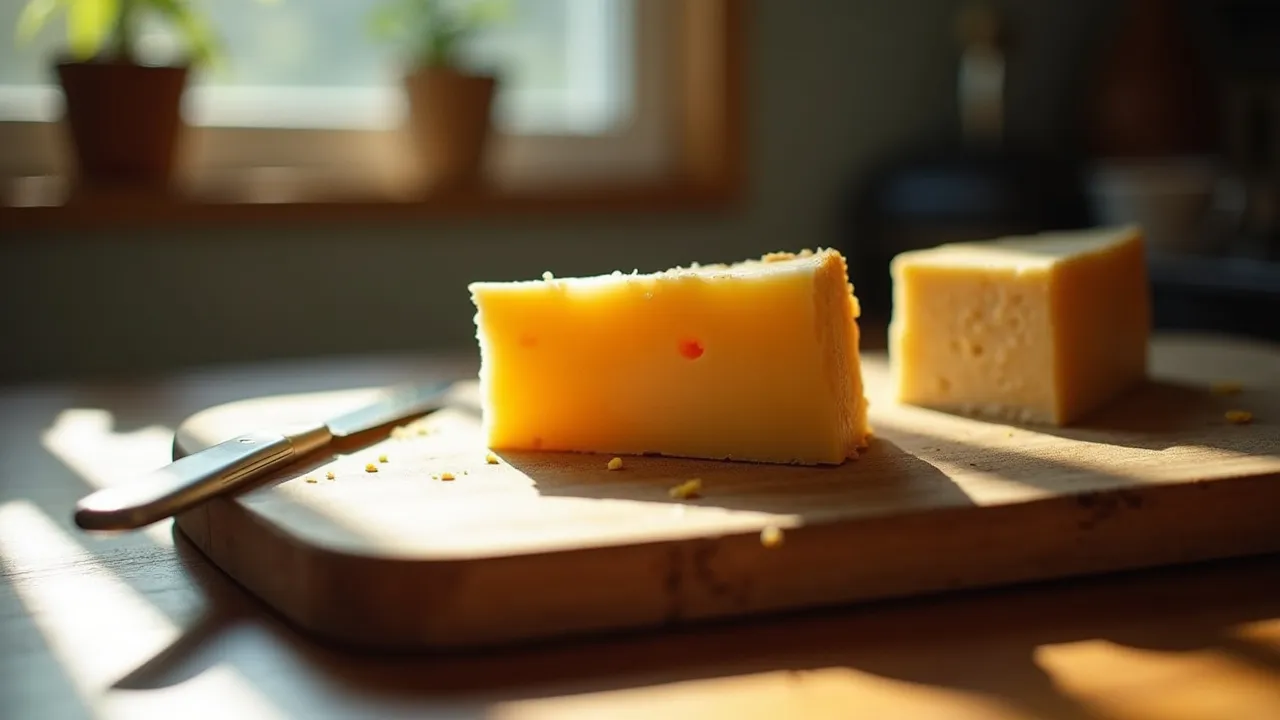
National Cheddar Day on February 13th celebrates one of the world's most beloved cheeses. Discover its rich history, diverse varieties, and ways to savor cheddar from farm to table.
The Historical Origins & Evolutionary Journey
National Cheddar Day, observed annually on February 13th, honors the rich heritage and global significance of cheddar cheese. While the day itself is a modern creation, cheddar's story spans nearly a millennium, originating in the English village of Cheddar in Somerset.
The Foundational Catalyst
The exact origins of cheddar cheese date back to the 12th century, when English farmers in the Cheddar Gorge region developed a unique method of cheesemaking using local cow's milk. The cheese's distinct texture and flavor emerged from a process called "cheddaring" — stacking and turning curds to expel moisture. By the 16th century, cheddar had become a staple in British households, often aged in local caves for months or years.
The Legislative/Official Adoption
Fast forward to the 21st century: The Wisconsin Milk Marketing Board officially established National Cheddar Day in 2019 to promote Wisconsin's cheddar industry, which produces over a quarter of all cheddar in the United States. The date February 13th was chosen strategically as a mid-winter celebration to boost cheese sales and give cheese lovers a reason to indulge before Valentine's Day. Unlike many food holidays, National Cheddar Day quickly gained traction on social media and through retail promotions, becoming a recognized date for cheddar enthusiasts worldwide.
Modern Global Legacy
Today, National Cheddar Day transcends its marketing roots. It serves as an opportunity to educate consumers about cheddar's diversity — from mild to extra sharp, white to orange, farmhouse to industrial. The day also highlights sustainable farming practices and the economic importance of dairy farming in regions like Wisconsin, Vermont, and Somerset. Restaurants, cheese shops, and home cooks alike participate by sampling rare aged cheddars or creating innovative recipes.
How to Celebrate National Cheddar Day
National Cheddar Day offers endless ways to honor this versatile cheese. Whether you're a casual fan or a connoisseur, these actionable ideas will make February 13th unforgettable.
At Home: Tasting and Cooking
- Build a Cheddar Board: Select three to five cheddars of varying ages (mild, sharp, extra sharp, and aged). Pair with sliced apples, crusty bread, honey, and nuts. Include a cheese journal to note flavor notes.
- Cook with Cheddar: Try classic recipes like macaroni and cheese, cheddar soup, or a gourmet grilled cheese sandwich using sourdough and aged cheddar. For a twist, bake cheddar biscuits or cheddar-stuffed mushrooms.
- Host a Virtual Tasting: Invite friends over video call, each with a selection of cheddars from different regions. Discuss terroir and aging techniques.
For Schools and Organizations
- Educational Workshop: Teach the science of cheesemaking through a hands-on curd-stretching demonstration. Explain the role of rennet and culture.
- Fundraiser: Sell cheddar-themed gift baskets or hold a “cheddar cake” auction to support local dairy farms.
- Community Potluck: Encourage participants to bring a dish featuring cheddar. Award prizes for most creative use of cheese.
Around the World: Regional Traditions
While primarily a US-centric observance, cheddar is global. In the United Kingdom, especially Somerset, cheddar enthusiasts mark the day by visiting historic cheese caves in Cheddar Gorge. In Canada, smaller artisan producers celebrate with open houses. In Australia, specialty delis run cheddar tastings that highlight local farmhouse varieties. Even in Japan, where cheddar is less traditional, imported cheddar platters appear in upscale grocery stores.
The Science of Cheddar: From Curd to Crust
Cheddar cheese is a masterpiece of microbiology and chemistry. Understanding its production deepens appreciation for the craft.
The Cheddaring Process
After milk is curdled with rennet, the curds are cut and heated. The defining step, cheddaring, involves stacking and turning the curd slabs to expel whey. This process acidifies the curd, creating a dense, elastic texture. The curds are then milled, salted, and pressed into cheese wheels.
Aging and Flavor Development
Aging (or maturing) ranges from a few months for mild cheddar to several years for extra sharp. During aging, enzymes break down proteins and fats, forming amino acids and fatty acids that create umami and sharpness. The characteristic calcium lactate crystals — those crunchy bits in aged cheddar — are a sign of long maturation.
Color: Natural vs. Annatto
White cheddar is naturally pale yellow from grass-fed cow's milk. Orange cheddar gets its hue from annatto, a seed-derived colorant added for consistency. Historically, annatto was used to mimic the deeper color of high-quality summer milk. Today, it's a marketing distinction, with some consumers preferring the vibrant orange look.
Cheddar Economics: A Global Market Overview
Cheddar cheese is a heavyweight in the global dairy industry. The United States produces over 3.5 billion pounds of cheddar annually, led by Wisconsin (more than 2 billion pounds). The UK, New Zealand, and Canada also have robust cheddar industries.
Production and Trade
The US exports cheddar primarily to Mexico, Canada, and Japan. The UK's West Country Farmhouse Cheddar holds a Protected Designation of Origin (PDO) status, while New Zealand's cheddar is known for its consistent quality for global markets. Global demand for specialty aged cheddar has grown by 15% annually over the past decade, driven by foodie culture and cooking shows.
Price Ranges and Accessibility
Commodity cheddar costs around $3-5 per pound, while artisan aged cheddars can reach $20-40 per pound. The wide price gap reflects differences in aging, milk quality, and production scale. National Cheddar Day promotions often offer discounts on premium cheddars, making them more accessible to regular consumers.
Cheddar and Culture: From Medieval Monasteries to Modern Media
Cheddar cheese has left an indelible mark on culture worldwide. In medieval England, monks in Somerset pioneered early cheddar-making as a way to preserve milk. By the 19th century, cheddar was a staple in British rations for sailors and soldiers.
Cheddar in Literature and Film
Literary references abound: Shakespeare mentioned "Cheddar" in King Lear (though as a place). In modern times, cheddar has been featured in children's books like The Cat in the Hat and in films like Wallace & Gromit: The Curse of the Were-Rabbit, where the villain uses a giant cheddar wheel. Cheddar is also a frequent contestant on cheese-tasting shows and documentaries.
Festivals and Competitions
The World Cheese Awards routinely feature cheddar categories. The Wisconsin State Fair hosts a cheddar cheese carving contest. In Somerset, the Cheddar Cheese and Cider Festival draws thousands annually. National Cheddar Day adds a calendar highlight for cheese enthusiasts worldwide.
Health and Nutrition: The Good, The Balanced, The Savory
Cheddar cheese, like many full-fat dairy products, offers both benefits and considerations. A one-ounce serving (28g) provides about 115 calories, 9g fat, 7g protein, and 200mg calcium (20% of the daily value). It's also a source of vitamin K2, which supports bone and cardiovascular health.
Nutritional Highlights
Protein in cheddar is highly bioavailable, making it a satiating snack. Calcium and phosphorus are essential for strong bones. Conjugated linoleic acid (CLA), found in cheddar from grass-fed cows, may have anti-cancer properties. However, cheddar is also high in saturated fat and sodium, so moderation is key.
Lactose and Digestibility
Because aging lowers lactose content, many lactose-intolerant individuals can enjoy aged cheddar without discomfort. Aged cheddar (over 12 months) typically has less than 0.1g lactose per serving. That said, fresh or young mild cheddar may trigger symptoms in sensitive people.
Historical Timeline
Cheddar cheese is first produced in the Cheddar Gorge region of Somerset, England, using local cow's milk and aging in caves.
Cheddar becomes a staple in British households and is exported to other parts of Europe. King Henry VIII reportedly orders cheddar for his court.
Industrialization of cheddar production begins. Joseph Harding, known as the 'father of cheddar', standardizes the cheddaring process, enabling mass production.
First commercial cheddar factory opens in New York, bringing British cheddar-making techniques to the United States.
Wisconsin becomes the leading cheddar producer in the US, aided by the invention of the mechanical milking machine and refrigerated transport.
The rise of artisan cheesemaking in the US and UK revives interest in farmhouse cheddar, with small dairies producing handcrafted wheels.
The Wisconsin Milk Marketing Board establishes National Cheddar Day on February 13th to celebrate Wisconsin's cheddar heritage and encourage cheese consumption nationwide.
National Cheddar Day gains global traction, with social media hashtags reaching millions and cheese retailers reporting record sales of aged cheddar during the week of February 13th.