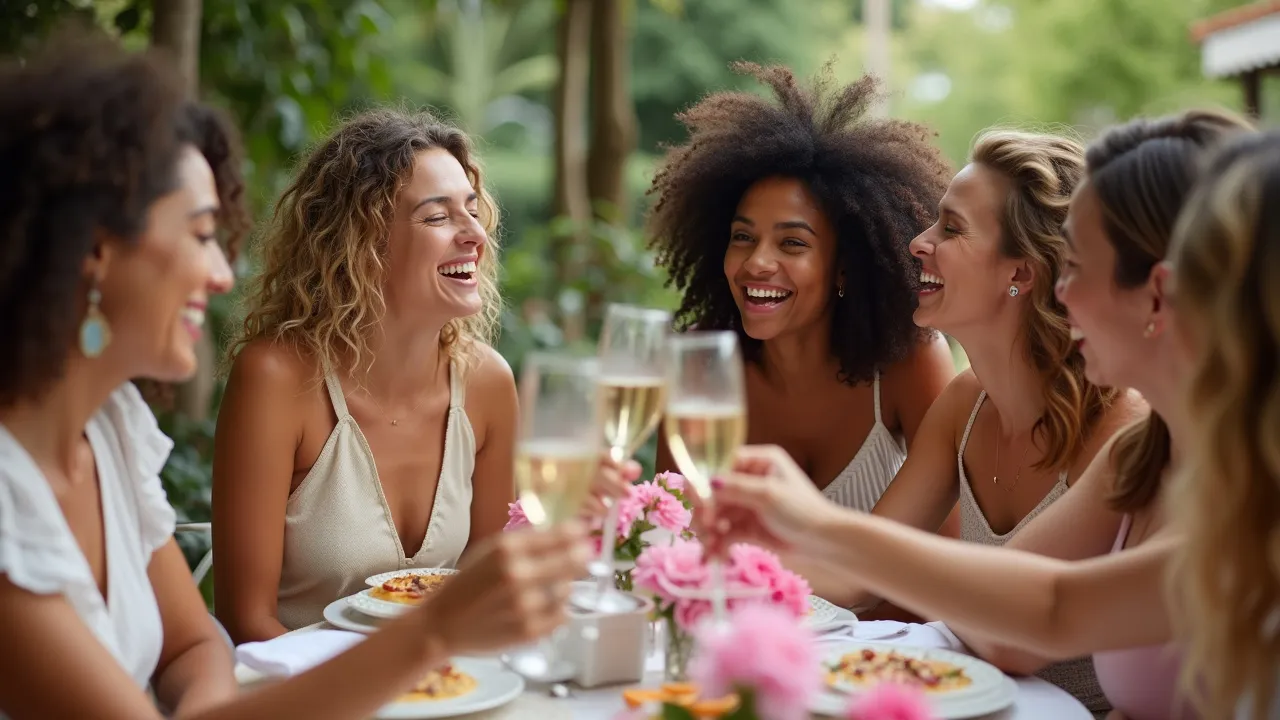
Galentine's Day, observed on February 13th, is a celebration of female friendship, popularized by the TV show 'Parks and Recreation'. It's a day for women to honor their platonic bonds with brunch, gifts, and quality time.
The Historical Origins & Evolutionary Journey
Galentine's Day, observed annually on February 13th, is a modern cultural phenomenon that celebrates female friendship. Unlike Valentine's Day, which focuses on romantic love, Galentine's Day honors the platonic bonds between women. The holiday was born from a single episode of the NBC sitcom Parks and Recreation, which aired on February 11, 2010. In the episode titled 'Galentine's Day', protagonist Leslie Knope (played by Amy Poehler) declares February 13th as a day for women to celebrate their friendships with brunch, gifts, and heartfelt appreciation.
The Foundational Catalyst
The concept was introduced in Season 2, Episode 16 of Parks and Recreation. Leslie Knope, a fiercely loyal and enthusiastic public servant, gathers her female friends for a breakfast celebration. She explains that 'Galentine's Day' is 'just about ladyfriends celebrating ladyfriends.' The episode resonated deeply with audiences, sparking a real-world movement. The show's creator, Michael Schur, later noted that the idea was born from a desire to create an inclusive holiday that celebrated non-romantic relationships.
The Legislative/Official Adoption
While not an official government holiday, Galentine's Day quickly became a cultural fixture. By the mid-2010s, it was widely recognized in the United States and beyond. Retailers, restaurants, and social media platforms embraced the day. In 2018, a petition to make Galentine's Day an official public holiday gained modest traction, but it remains a secular, informal celebration. Its adoption was organic, driven by fans and communities seeking to elevate female friendships.
Modern Global Legacy
Today, Galentine's Day is celebrated in many countries, including Canada, the UK, Australia, and India. It has evolved from a TV joke to a meaningful occasion for women to connect. Social media hashtags like #GalentinesDay generate millions of posts annually. The holiday now includes charity events, corporate team-building activities, and even themed merchandise. Its legacy lies in challenging the primacy of romantic love and affirming the value of female solidarity.
How to Celebrate Galentine's Day
Celebrating Galentine's Day is all about honoring the women in your life. Whether you're planning a small gathering or a large event, the key is to focus on genuine connection and appreciation. Below are proven strategies and traditions from around the world.
Classic Celebration Ideas
Brunch Party: Gather friends for a midday meal with pancakes, mimosas, and heart-shaped treats. Decorate with pink and red accents.
Gift Exchange: Exchange thoughtful, personalized gifts like journals, jewelry, or self-care products. A popular twist is a 'secret sister' gift swap.
Friendship Rituals: Write heartfelt letters or create a playlist of empowering songs. Many groups share 'appreciation circles' where each woman is praised.
International Celebrations
United States: Brunch and spa days are common. Some workplaces host potlucks or team outings.
United Kingdom: Afternoon tea parties are a favorite. Women often exchange 'galentine' cards.
Australia: Beach picnics and outdoor adventures, such as hiking or kayaking, are popular.
India: Women host 'mehendi' (henna) parties or organize charity drives for women's shelters.
Corporate and School Celebrations
Many organizations now embrace Galentine's Day to boost morale. Offices arrange 'lady boss' luncheons, while schools host friendship-themed assemblies. A great way to participate is to organize a volunteer event benefiting women-focused nonprofits. For remote teams, virtual game nights or online gift deliveries work well.
Tips for a Memorable Celebration
Plan ahead: Send invitations at least a week in advance.
Set a budget: Group funds can cover decorations or catering.
Personalize: Choose activities that match your group's interests.
Cultural Impact and Significance
Galentine's Day has had a profound impact on modern culture. It has been credited with elevating the conversation around female friendship and challenging societal norms that prioritize romantic relationships. The holiday provides a platform for women to express love and gratitude without the pressure of romance.
Reclaiming Narratives
Historically, media often portrayed female friendships as competitive or secondary to romantic interests. Galentine's Day subverts this trope. The day has inspired countless articles, books, and podcasts exploring the importance of platonic bonds. It also encourages inclusivity, welcoming women of all ages, orientations, and backgrounds.
Economic Influence
The holiday generates significant consumer spending. According to market research, Americans spent over $24 billion on Valentine's Day in 2023, with Galentine's Day contributing a growing share. Sectors such as dining, gifts, and apparel see a boost. Small businesses, especially women-owned ones, often run Galentine's Day promotions. The day has become a lucrative niche in the greeting card industry, with cards specifically designed for friends.
Media and Pop Culture
Beyond the original TV show, Galentine's Day is referenced in numerous films, series, and social media campaigns. It has been featured in Broad City, Girls, and The Bold Type. Every year, celebrities share their Galentine's Day plans on Instagram, further amplifying its reach.
Commercialization and Industry Influence
As Galentine's Day grew in popularity, so did its commercial potential. Retailers and brands quickly recognized the opportunity to target women celebrating with friends. The holiday has become a key marketing event in the lead-up to Valentine's Day.
Retail Strategies
Stores like Target and Walmart now feature dedicated Galentine's Day sections with decorations, apparel, and gift sets. Jewelry brands offer 'friend' necklaces, while beauty companies promote 'galentine' gift sets. Online retailers, particularly on Etsy, see a surge in personalized and handmade items.
Food and Beverage Industry
Restaurants offer special brunch menus, and bakeries create custom cupcakes and cakes. Alcohol brands, especially champagne and rosé producers, run Galentine's Day campaigns. Coffee chains like Starbucks release seasonal drinks targeted at friend groups.
Event Planning and Services
Event planners have developed Galentine's Day packages, including photo booths, cooking classes, and spa parties. Subscription boxes like 'FabFitFun' release limited-edition Galentine's Day boxes. The holiday has even influenced the travel industry, with some hotels offering 'galentine getaways'.
Social Media and Digital Celebrations
Social media has been instrumental in spreading Galentine's Day worldwide. Platforms like Instagram, TikTok, and Facebook are flooded with user-generated content each February 13th.
Hashtag Movements
The hashtag #GalentinesDay has over 2 million posts on Instagram alone. Users share photos of brunch spreads, gift hauls, and group selfies. TikTok trends include 'galentine dance' challenges and friendship tribute videos. Brands often create sponsored filters or stickers to encourage participation.
Virtual Gatherings
For long-distance friends, virtual celebrations are popular. Group video calls, online games like 'Among Us', and synchronized movie watching are common. Many use apps like Houseparty or Discord to host digital hangouts. E-gift cards and digital flower deliveries are convenient alternatives to physical gifts.
Influencer Culture
Influencers often dedicate posts to their 'girl gang', promoting products and sharing personal stories. This has helped normalize the holiday and expand its reach. The authenticity of these posts, however, varies, and some critics argue that commercialization dilutes the holiday's original spirit.
Comparative Analysis with Valentine's Day
Galentine's Day and Valentine's Day are often compared, but they serve different purposes. While Valentine's Day centers on romantic love, Galentine's Day celebrates non-romantic female friendships.
Key Differences
- Focus: Valentine's Day is for partners; Galentine's Day is for friends.
- Date: Valentine's Day is February 14; Galentine's Day is February 13.
- Gifts: Romantic gifts vs. platonic tokens of appreciation.
- Activities: Candlelit dinners vs. brunch or spa days.
Societal Implications
Galentine's Day emerged partly as a reaction to the pressure of Valentine's Day. For single women, it offers a way to feel included and celebrated. It also encourages a broader definition of love. Some argue that Galentine's Day undermines Valentine's Day, but many embrace both. In fact, overlapping celebrations are common: couples may celebrate Galentine's Day with friends and Valentine's Day together.
Overlap and Integration
In recent years, some people have blended the holidays, creating 'Galentine's Week' from February 13-14. This reflects a growing desire for inclusive celebrations that honor all types of relationships.
Historical Timeline
The concept of Galentine's Day is introduced in Season 2, Episode 16 of 'Parks and Recreation', airing on February 11. The episode features Leslie Knope celebrating with her female friends on February 13.
Galentine's Day gains real-world traction. Fans of the show organize brunches and parties. Social media usage of the term begins to grow.
Major retailers, including Etsy and Hallmark, start selling Galentine's Day cards and gifts. The holiday is featured in several lifestyle magazines.
The hashtag #GalentinesDay becomes popular on Instagram. Celebrities like Mindy Kaling and Taylor Swift share their celebrations.
A Change.org petition to make Galentine's Day a national holiday gathers over 50,000 signatures. Though unsuccessful, it highlights the holiday's cultural significance.
During the COVID-19 pandemic, virtual Galentine's Day celebrations surge. Zoom parties and online gift exchanges become widespread.
Galentine's Day is recognized by major brands like Starbucks and Amazon, which run targeted promotions. The holiday is celebrated in over 20 countries.