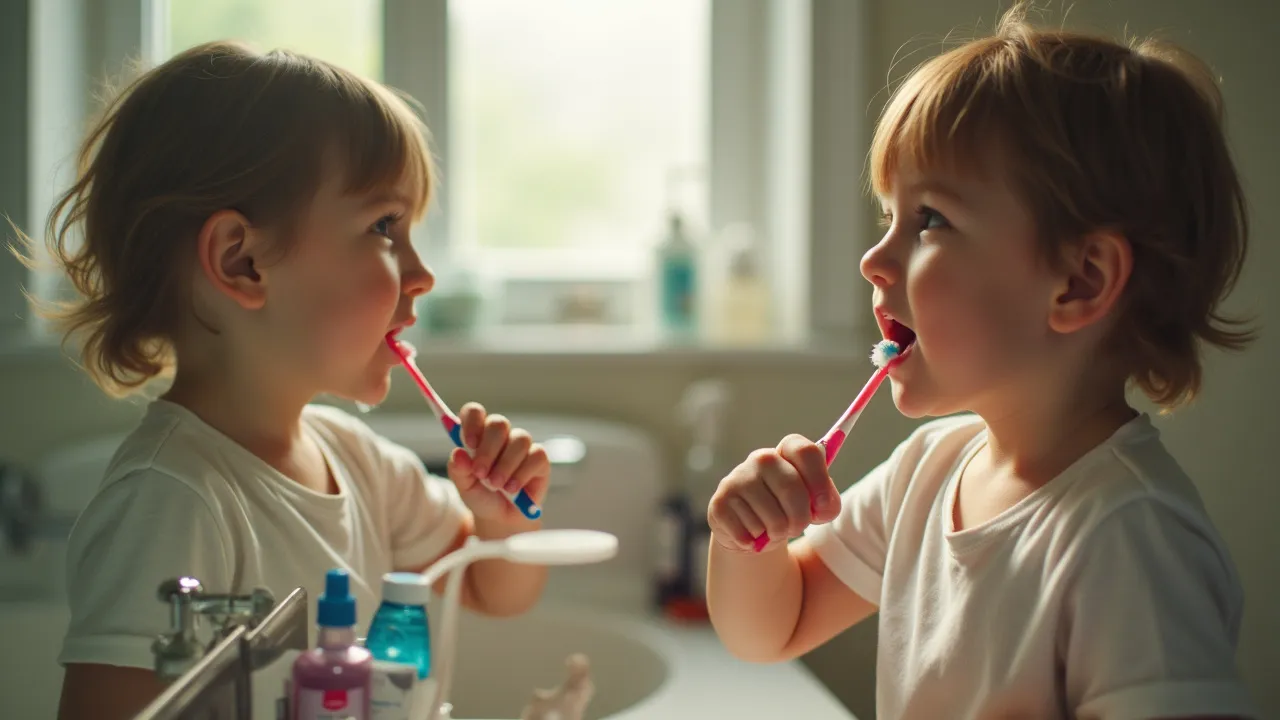
National Brush Day on November 1st encourages children and families to practice good oral hygiene. Sponsored by dental health organizations, it emphasizes brushing twice daily for healthy smiles.
History of National Brush Day
National Brush Day was established in 2012 as part of the Kids' Healthy Mouths campaign, a public service initiative led by the Partnership for Healthy Mouths, Healthy Lives—a coalition of more than 35 oral health organizations, including the American Dental Association (ADA), the American Academy of Pediatric Dentistry, and the Centers for Disease Control and Prevention (CDC). The day was created to address the alarming prevalence of tooth decay among children, which remains the most common chronic childhood disease in the United States.
The Foundational Catalyst
Before National Brush Day, oral health awareness efforts were fragmented. Data from the CDC showed that nearly one in five children aged 5–11 had at least one untreated decayed tooth. The campaign aimed to simplify the message: brush for two minutes, twice a day, with fluoride toothpaste. The Ad Council partnered with the coalition to produce engaging advertisements featuring popular cartoon characters and superheroes to capture children's attention.
Legislative and Official Adoption
While National Brush Day is not a federal holiday, it has been officially recognized through proclamations by several state governors and dental associations. The date of November 1st was strategically chosen to fall just after Halloween, a holiday notorious for candy consumption, making it a timely reminder to establish healthy brushing habits. Schools and pediatric dental offices quickly adopted the day as a teachable moment.
Modern Global Legacy
Though primarily a US observance, National Brush Day has inspired similar campaigns worldwide. Countries like the United Kingdom, Canada, and Australia have launched their own versions, often aligning with national oral health months. The core message remains universal: consistent brushing prevents cavities, gum disease, and costly dental treatments. Today, digital tools like brushing apps and smart toothbrushes further reinforce the habit, extending the day's impact far beyond November 1st.
How to Celebrate National Brush Day
National Brush Day offers a perfect opportunity for families, schools, and communities to reinforce the importance of oral hygiene. Below are actionable strategies to make the day engaging and educational.
For Individuals and Families
- Two-Minute Challenge: Use a timer or a fun song to ensure brushing for the full two minutes. Many smartphones have built-in timers or dental apps that gamify the experience.
- Create a Reward Chart: Track morning and evening brushing for a month. After a week of consistent brushing, offer a small non-candy reward like a sticker or an extra bedtime story.
- Upgrade Your Tools: Replace old toothbrushes every three months, and let children pick a toothbrush featuring their favorite character. Electric toothbrushes with pressure sensors can also improve technique.
For Schools and Daycares
- Morning Brushing Routine: Coordinate a school-wide brushing event after breakfast. Provide disposable toothbrushes and fluoride toothpaste (with parental permission).
- Oral Health Lesson Plan: Incorporate interactive activities like coloring sheets of teeth, science experiments demonstrating how plaque forms, or guest visits from a local dentist.
- Sharing on Social Media: Encourage students to post a picture of their brushing routine using the hashtag #NationalBrushDay, with privacy controls in place.
For Dental Offices and Corporations
- Free Dental Screenings: Offer free or discounted check-ups for children on November 1st. Many clinics also provide fluoride varnish applications.
- Educational Booths: Set up information tables at community centers or malls with large models of teeth, brushing demonstrations, and giveaways like sand timers and floss.
- Sponsor a Toothbrush Drive: Collect new toothbrushes and toothpaste for underprivileged schools or homeless shelters. Partner with local nonprofits to distribute them.
Global Traditions
While the core message is consistent, different countries add unique local flavors. In Japan, National Brush Day is often celebrated with school-wide "mushibamushi" (cavity prevention) events. In Brazil, dental health teams visit comunidades to demonstrate proper brushing techniques using giant toothbrushes. In Sweden, the day aligns with the national "Fluoride Day" campaign emphasizing the importance of fluoride toothpaste. In India, many schools organize "Smile Healthy" rallies where children march with placards promoting oral hygiene.
No matter where you are, the three pillars of National Brush Day are: Brush for two minutes, twice a day, and visit your dentist regularly.
The Impact of National Brush Day on Public Health
Since its inception, National Brush Day has contributed to measurable improvements in children's oral health knowledge and behavior. According to the Partnership for Healthy Mouths, Healthy Lives, the day's media impressions exceed 200 million annually, reaching families through television, radio, social media, and school materials.
Reduction in Dental Caries
Studies have shown a 20% increase in twice-daily brushing among children during the week following National Brush Day promotions. Over time, consistent public health messaging has helped reduce the prevalence of untreated decay in primary teeth by 4% in some states, as reported by the CDC.
Cost Savings for the Healthcare System
Preventive oral care is far cheaper than restorative treatments. The ADA estimates that every $1 spent on fluoride varnish programs saves $38 in future dental treatment costs. National Brush Day serves as a low-cost but high-impact intervention that can lower dental expenditure for families and insurers alike.
Closing the Equity Gap
Oral health disparities persist among low-income and minority populations. National Brush Day initiatives often target underserved areas with free supplies and education. For example, the "Brush Day & Night" program in Head Start centers has helped reach children who lack access to regular dental care. The day has also encouraged policymakers to include oral health in broader wellness programs like school-based health centers.
Psychosocial Benefits
Beyond physical health, good oral hygiene improves self-esteem and social interactions. Children with healthy teeth smile more confidently, participate more in class, and miss fewer school days due to dental pain. National Brush Day reinforces these lifelong benefits.
Role of Parents and Educators in Promoting Oral Hygiene
Parents and educators are the frontline champions of children's oral health. National Brush Day provides a structured moment to instill habits that last a lifetime.
Modeling Behavior
Children learn by imitation. On National Brush Day, parents can brush side-by-side with their kids, demonstrating proper technique: angle the brush at 45 degrees to the gums, use gentle circular motions, and clean all surfaces—outer, inner, and chewing. Singing a two-minute song together makes the routine fun.
Overcoming Common Challenges
- Toothbrush Rejection: Some toddlers resist brushing. Try flavored toothpaste (kid-safe), different brush textures, or letting them hold a "special" toothbrush. Distraction with a short video can help.
- Time Complaints: Use a visual timer or a phone app that shows a countdown. Kids often respond better to a "game" than a "task."
- Technique Errors: Parents should supervise until age 7 or 8. Check for missed spots by using disclosing tablets (available at drugstores) that stain plaque pink.
Integrating Oral Health into the School Curriculum
Teachers can incorporate oral health into science, health, and even math lessons. For example, graph the number of teeth lost in the classroom, or calculate the amount of toothpaste used in a year. Many educational websites offer free worksheets and videos aligned with National Brush Day. Inviting a dental hygienist to speak can bring real-world expertise.
Communication with Dental Professionals
National Brush Day is an ideal reminder to schedule a child's dental check-up. Regular visits should begin by age one or within six months of the first tooth erupting. Dentists can provide fluoride treatments and sealants that further protect teeth.
Innovations in Dental Care and Brushing Technology
The landscape of oral hygiene has transformed since National Brush Day was founded. Technological advances have made brushing more effective, engaging, and accessible.
Smart Toothbrushes
Electric toothbrushes now come with Bluetooth connectivity that syncs to smartphone apps. These apps track brushing coverage, pressure, and duration, offering real-time feedback and rewards. Brands like Oral-B and Philips Sonicare have dedicated National Brush Day campaigns, often releasing special edition brushes.
Fluoride Innovations
New fluoride delivery systems, such as slow-release varnishes and nano-hydroxyapatite toothpaste, provide enhanced remineralization. Some toothpaste formulations include xylitol, a natural sweetener that inhibits bacteria growth. National Brush Day promotions often highlight these advanced products.
Tele-dentistry
Tele-dentistry has expanded access to oral health advice. On National Brush Day, some dental associations offer free virtual consultations where parents can ask about brushing techniques or get advice on teething pain. This is especially valuable for rural families with limited access to dentists.
Gamification and Education Apps
Apps like Brush DJ and Disney Magic Timer use augmented reality and popular characters to make brushing interactive. These apps have been shown to increase brushing frequency by up to 50% in children. On National Brush Day, many of these apps offer special in-app challenges or rewards.
Global Oral Health Initiatives Linked to National Brush Day
While National Brush Day is a US creation, its spirit aligns with global efforts to reduce oral disease. The World Health Organization (WHO) includes oral health in its noncommunicable disease agenda, and many countries have adopted similar "tooth brushing days."
World Oral Health Day
Celebrated on March 20th, World Oral Health Day is a larger global campaign organized by the FDI World Dental Federation. National Brush Day complements this by focusing specifically on children's brushing habits. Both days share the goal of "Happy Mouth, Happy Body."
International Partnerships
The Partnership for Healthy Mouths, Healthy Lives has collaborated with the World Dental Federation and UNICEF to distribute oral health kits in developing nations. For instance, in 2023, a "Brush Day" campaign in rural Uganda provided 10,000 toothbrushes and training to local health workers.
School-Based Programs Worldwide
Countries like Mexico, Nigeria, and the Philippines have integrated National Brush Day principles into their school health curricula. In Mexico, the "Cepillado Diario" program includes daily supervised brushing in primary schools. In Nigeria, the "Brush Up Nigeria" initiative uses National Brush Day as a launchpad for community awareness.
Challenges and Future Directions
Despite progress, access to toothpaste and toothbrushes remains limited in many regions. National Brush Day advocacy increasingly calls for the inclusion of oral health in universal health coverage. Future efforts may focus on distributing environmentally sustainable toothbrushes (e.g., bamboo) and promoting water fluoridation where feasible.
Historical Timeline
Partnership for Healthy Mouths, Healthy Lives launches the Kids' Healthy Mouths campaign, establishing National Brush Day on November 1st. The Ad Council produces public service announcements featuring the Tooth Fairy and animated characters.
First widespread school participation with over 5,000 schools registering for National Brush Day toolkits. State dental associations begin issuing proclamations.
The campaign expands to include digital resources, including a mobile app and interactive website. Social media hashtag #NationalBrushDay trends on Twitter.
CDC data shows a 12% increase in twice-daily brushing among children aged 6-12 since the campaign's start. Multiple states incorporate the day into their oral health education standards.
Partnership launches "Brush Day & Night" curriculum for Head Start programs, reaching over 200,000 low-income children nationwide.
During the COVID-19 pandemic, the campaign pivots to virtual resources, including remote learning videos and tele-dentistry tips. Participation remains strong.
National Brush Day celebrates 10 years. Surveys indicate that 70% of parents recognize the day, and 45% report changing their child's brushing behavior because of it.
New partnerships with smart toothbrush manufacturers provide discounted devices to schools. AI-powered brushing analytics begin to be integrated into classroom health trackers.