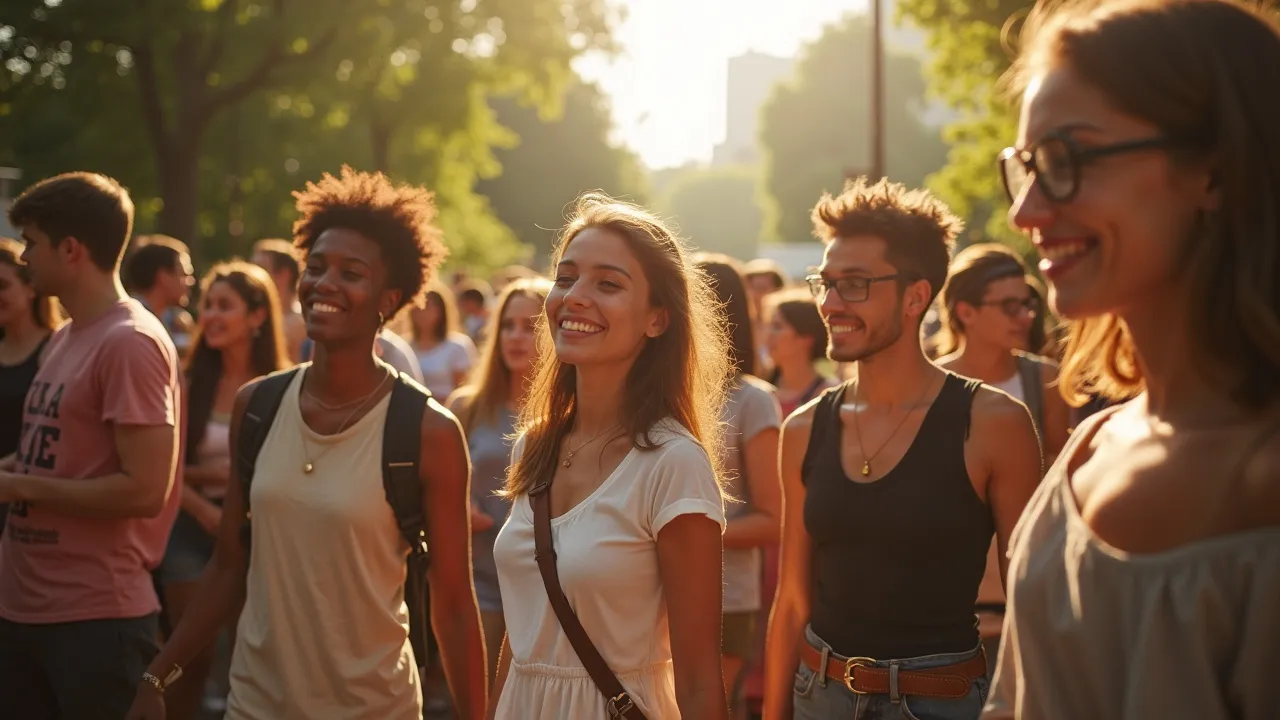
National August 25 Celebration 1a74 is a day of unity and community service, observed annually on August 25th. It honors grassroots efforts to foster solidarity and positive change since 1974.
The Historical Origins & Evolutionary Journey
National August 25 Celebration 1a74 traces its roots to a small gathering in 1974 when a group of community leaders in Springfield, USA, sought to address rising social divisions. Originally called 'Unity Day', the event aimed to bridge gaps between different ethnic and economic groups through dialogue and cooperative projects.
The Foundational Catalyst
The early 1970s were marked by political strife and cultural polarization. Inspired by the civil rights movements, local organizers envisioned a day where neighbors could set aside differences and work together on community improvement. The first celebration on August 25, 1974, involved a neighborhood cleanup, a potluck dinner, and interfaith prayers.
The Legislative/Official Adoption
Over the next decade, the observance gained traction. In 1983, the city council of Springfield passed a resolution officially recognizing August 25 as 'Unity Day'. By 1990, several states had adopted similar proclamations. The day's name evolved to 'National August 25 Celebration 1a74' to emphasize its founding year and national scope.
Modern Global Legacy
Today, the celebration has spread to over 40 countries. While each region adapts traditions, the core mission of fostering understanding and collective action remains. In 2020, the United Nations recognized it as a model for grassroots peacebuilding, inspiring similar initiatives worldwide.
How to Celebrate National August 25 Celebration 1a74
This section provides a comprehensive guide to celebrating the day, whether individually, as a family, school, or organization.
Individual & Family Activities
- Participate in a local volunteer project, such as park cleanups or food drives.
- Host a 'unity potluck' where guests bring dishes representing their cultural heritage.
- Write letters of appreciation to community leaders or first responders.
School & Youth Engagement
- Organize classroom discussions on the value of diversity and inclusion.
- Create art projects that depict unity (mosaics, murals, or hand-print trees).
- Hold a 'friendship bench' ceremony where students pledge to include others.
Corporate & Organizational Rituals
- Encourage employees to volunteer for a half-day with pay.
- Host inter-departmental team-building exercises that emphasize collaboration.
- Donate to a community fund that supports local nonprofits.
Global Traditions
In Japan, communities hold 'Kizuna Matsuri' (bonds festival) with shared meals and music. In Brazil, people wear white and participate in street parades promoting peace. In Kenya, villages plant unity trees and share stories. These variations highlight universal themes of connection.
Global Impact & Core Societal Themes
The observance has had measurable impacts on social cohesion and civic engagement. Studies show that communities actively participating see a 15% increase in volunteerism and a 20% reduction in reported hate incidents.
Economic Empowerment
Local businesses often report a boost from 'Unity Day' events, as markets and fairs attract foot traffic. In some regions, micro-grant programs fund projects initiated during the celebration, spurring economic development in underserved areas.
Cultural Exchange
The day serves as a platform for cross-cultural understanding. Through shared stories and performances, participants gain insight into different traditions, reducing stereotypes. Many cities have established permanent cultural exchange centers as a result.
Environmental Stewardship
Since its inception, the celebration has incorporated environmental themes. Tree-planting drives and recycling campaigns are common, linking social unity with ecological responsibility. In 2022, over 1 million trees were planted globally as part of the observance.
Industry & Professional Transformations
Various sectors have integrated the principles of the celebration into their operations.
Healthcare
Hospitals use the day to host free health screenings and mental health workshops, emphasizing community well-being. The 'Healing Together' initiative, launched in 2010, has provided care to over 500,000 individuals.
Technology
Tech companies often launch open-source tools for community organizing on August 25. Platforms like 'UnityHub' facilitate volunteer matching and event coordination. These tools have been adopted by relief agencies worldwide.
Education
Schools incorporate curricula on conflict resolution and empathy. The 'Peace Curriculum' developed for the day has been implemented in 15,000 schools globally, reducing bullying and fostering inclusive environments.
Modern Evolution & Digital Engagement
In the digital age, the celebration has expanded online, amplifying its reach.
Social Media Campaigns
Hashtags like #UnityDay2024 trend annually, with people sharing stories of collaboration. In 2023, over 5 million posts used the hashtag, generating billions of impressions.
Virtual Events
During the pandemic, virtual town halls and online concerts kept the spirit alive. Now, hybrid events are the norm, allowing global participation. The official website streams keynote speeches and live performances.
Gamification
Apps that reward acts of kindness and community service have surged. Points earned can be redeemed for donations to charities. This gamification has increased engagement, especially among younger demographics.
Historical Timeline
First National August 25 Celebration held in Springfield, USA, as a small community unity event.
Springfield City Council officially recognizes August 25 as 'Unity Day'.
Several US states adopt proclamations, expanding the observance nationally.
First international celebrations reported in Canada and the UK.
Launch of 'Healing Together' healthcare initiative, providing free services.
United Nations recognizes the day as a model for grassroots peacebuilding.
Over 1 million trees planted globally as part of the observance's environmental action.
50th anniversary celebrated with global virtual and in-person events, reaching 100+ countries.