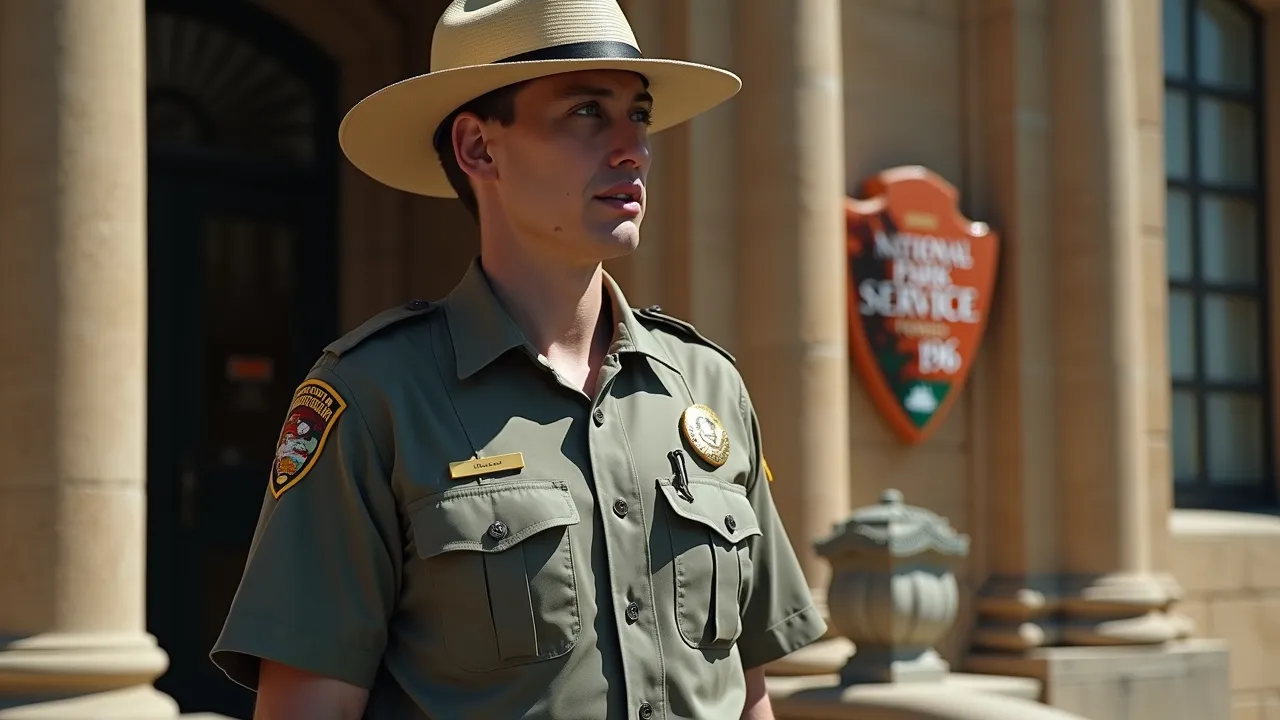
National Park Service Founders Day, observed on August 25th, commemorates the 1916 signing of the Organic Act that created the NPS. It honors the agency's century-long mission to preserve America's natural and cultural heritage for future generations.
The Historical Origins & Evolutionary Journey
National Park Service Founders Day marks the anniversary of the Organic Act of 1916, signed into law by President Woodrow Wilson on August 25, 1916. This landmark legislation established the National Park Service (NPS) as a unified federal bureau to manage the growing collection of national parks and monuments. The day celebrates not only the birth of an agency but also the enduring American commitment to conservation and public access.
The Foundational Catalyst
Long before 1916, the seeds of conservation were sown with the creation of Yellowstone National Park in 1872—the world's first national park. However, each park was managed independently by different departments (War, Interior, Agriculture), leading to inconsistent protection and visitor experiences. By the early 20th century, conservationists like John Muir, Stephen Mather, and Horace Albright lobbied for a single, professional agency. The catalyst came when Mather, a wealthy businessman, wrote to Secretary of the Interior Franklin Lane complaining about mismanagement. Lane challenged Mather to fix it, and Mather launched a campaign that ultimately led to the Organic Act.
The Legislative/Official Adoption
The Organic Act (16 U.S.C. 1–4) declared that the NPS would "promote and regulate the use of the Federal areas known as national parks, monuments, and reservations... by such means and measures as conform to the fundamental purpose of said parks, monuments, and reservations, which purpose is to conserve the scenery and the natural and historic objects and the wild life therein and to provide for the enjoyment of the same in such manner and by such means as will leave them unimpaired for the enjoyment of future generations." This dual mandate—preservation and enjoyment—remains the agency's core mission. The act passed both houses of Congress with bipartisan support and was signed by President Wilson on August 25, 1916.
Modern Global Legacy
Today, the NPS manages over 400 units, including 63 national parks, national monuments, battlefields, historic sites, and seashores. The concept of a national park system has been emulated worldwide, with over 100 countries establishing similar protected areas. Founders Day is now a time to reflect on this global conservation movement, recognize the contributions of NPS employees and volunteers, and inspire the next generation of stewards. The day also highlights ongoing challenges such as climate change, infrastructure backlogs, and the need to tell a more inclusive story of America's lands and peoples.
How to Celebrate National Park Service Founders Day
National Park Service Founders Day offers countless opportunities to connect with nature, history, and community. Whether visiting a park in person or participating virtually, here are actionable ways to honor the legacy of the NPS.
Individual and Family Activities
- Visit a national park or monument: Many parks offer free admission on August 25th. Plan a hike, picnic, or guided tour.
- Attend a ranger program: Park rangers often host special talks, demonstrations, or evening campfire events focusing on the history of the NPS.
- Volunteer: Join a volunteer trail crew, participate in a clean-up, or assist at a visitor center. The NPS counts millions of volunteer hours annually.
- Explore virtually: Use NPS apps, webcams, and online exhibits to discover parks from home. The NPS website offers live streams of iconic sites.
- Read about conservation history: Pick up books by John Muir, Stephen Mather, or Terry Tempest Williams to deepen your understanding.
School and Educational Group Ideas
- Host a Founders Day assembly: Invite a park ranger or local historian to speak about the NPS's origins and mission.
- Create a class project: Have students research a specific park and present its history and significance.
- Organize a park clean-up field trip: Combine service learning with celebration.
- Use the NPS's 'Every Kid Outdoors' program: Fourth graders get a free annual pass; encourage families to use it on Founders Day.
Corporate and Organizational Events
Companies can show support by sponsoring park projects, hosting a fundraiser for the National Park Foundation, or offering employees paid time off to volunteer. Many local businesses partner with parks for special events, such as guided nature walks or art exhibits. Social media campaigns using #NPSFoundersDay help spread awareness.
International Participation
While Founders Day is U.S.-centric, countries with national park systems can adapt the celebration. For example, Canada's Parks Day (third Saturday in July) and Australia's National Parks Week share similar goals. On August 25, international conservation organizations often highlight the U.S. model and promote global protected areas.
The Impact of the National Park Service on Conservation
The National Park Service has been a global leader in conservation, protecting over 85 million acres of natural and cultural resources. Its influence extends far beyond U.S. borders, shaping international policies and practices.
Preserving Biodiversity
National parks serve as refuges for thousands of species, many endangered. For instance, Yellowstone National Park is home to grizzly bears, wolves, and bison that have been restored through NPS management. The agency's science-based approach includes wildlife monitoring, habitat restoration, and climate adaptation strategies. Founders Day reminds us of the ongoing need to safeguard these ecosystems.
Cultural Heritage Stewardship
The NPS also protects historic structures, archaeological sites, and cultural landscapes. Sites like the Statue of Liberty, Gettysburg Battlefield, and Mesa Verde attest to America's diverse history. Founders Day highlights the agency's role in telling a complete story, including narratives of Native peoples and marginalized communities through programs like the American Latino Heritage Initiative.
International Influence
The U.S. national park model inspired the World Heritage Convention and the creation of national parks globally. The NPS shares expertise through technical exchanges, training programs, and partnerships with organizations like UNESCO. On Founders Day, conservationists worldwide recognize the importance of protected areas in combating climate change and biodiversity loss.
Cultural and Educational Significance
Beyond conservation, the National Park Service is a crucial educational and cultural institution. Each year, over 300 million visits to NPS sites result in informal learning experiences that shape public understanding of nature and history.
Ranger Programs and Interpretive Education
Park rangers are educators who lead guided walks, campfire talks, and classroom programs. The NPS Junior Ranger program engages millions of children, fostering lifelong stewardship. Founders Day often features special curriculum materials released by the NPS education office.
Artistic and Creative Inspiration
National parks have inspired countless artists, writers, and musicians. The Hudson River School painters, Ansel Adams' photographs, and the writings of John Muir are integral to the parks' cultural story. Many parks host artist-in-residence programs, and Founders Day can include art exhibitions or plein air painting events.
Community Identity and Civic Pride
Local communities near parks often identify strongly with their natural and historic treasures. Founders Day celebrations can reinforce that bond through parades, local history fairs, and community theater performances. The NPS also collaborates with tribal nations, incorporating Indigenous knowledge into park management and interpretation.
The National Park Service in the 21st Century
As the NPS enters its second century, it faces new challenges and opportunities. Founders Day is a moment to consider the agency's future direction.
Climate Change and Resilience
Global warming threatens parks through sea-level rise, wildfires, and habitat shifts. The NPS has developed Climate Change Adaptation Plans and is investing in renewable energy and resilient infrastructure. Founders Day often features discussions on how visitors can reduce their carbon footprint.
Infrastructure and Funding
A deferred maintenance backlog of over $12 billion has strained park facilities. The Great American Outdoors Act (2020) provides funding for repairs, and Founders Day can highlight the importance of continued congressional support. Private philanthropy, through the National Park Foundation, also plays a key role.
Equity and Inclusion
The NPS is working to ensure that all Americans feel welcome. Initiatives include the African American Civil Rights Network, LGBTQ+ heritage recognition, and programs in underserved urban areas. Founders Day programming increasingly reflects diverse histories and perspectives.
Technology and Innovation
From virtual reality tours to mobile apps for bird identification, technology enhances visitor experiences. The NPS also uses drones for monitoring wildlife and mapping archaeological sites. On Founders Day, parks may offer tech-focused events like geocaching or astrophotography workshops.
Economic and Tourism Contributions
National parks are economic engines, supporting local communities and generating billions in spending. According to NPS reports, visitor spending in gateway communities contributes over $40 billion annually and supports more than 340,000 jobs. Founders Day emphasizes the symbiotic relationship between parks and nearby towns.
Local Business Impact
Lodging, restaurants, outfitters, and guiding services rely on park visitors. Founders Day can stimulate off-peak tourism, especially in parks that experience seasonal fluctuations. Many communities organize Founders Day sales or special events to attract visitors.
Heritage Tourism
Historic sites draw travelers interested in American history. The NPS's heritage tourism programs partner with states and tribes to promote cultural routes like the Selma to Montgomery March Trail. Founders Day is an opportunity to explore these lesser-known units.
Sustainable Tourism Practices
The NPS promotes Leave No Trace principles and sustainable travel. Visitors are encouraged to use public transit, bring reusable water bottles, and stay on designated trails. Founders Day can include workshops on eco-friendly travel and supporting local conservation efforts.
Historical Timeline
President Ulysses S. Grant signs the Yellowstone National Park Protection Act, creating the world's first national park. However, no single agency manages it initially.
Sequoia, Yosemite, and General Grant (now Kings Canyon) national parks are established, furthering the need for coordinated management.
The Antiquities Act gives presidents authority to designate national monuments, expanding federal protected lands. Sites like Devils Tower and the Grand Canyon are soon declared.
On August 25, President Woodrow Wilson signs the Organic Act, creating the National Park Service. Stephen Mather becomes the first director.
President Franklin D. Roosevelt issues Executive Order 6166, transferring all national monuments and historic sites from the Forest Service and War Department to the NPS, unifying the system.
The National Historic Preservation Act is signed, expanding the NPS role in cultural resource management and creating the National Register of Historic Places.
The Alaska National Interest Lands Conservation Act adds over 47 million acres to the NPS, including parks like Denali and Glacier Bay.
The NPS celebrates its centennial with the 'Find Your Park' campaign, encouraging millions to explore parks and share stories.
The Great American Outdoors Act is signed, providing $9.5 billion to address the NPS deferred maintenance backlog and permanent funding for the Land and Water Conservation Fund.
On Founders Day, the NPS continues to implement the 'Second Century' strategic plan, focusing on climate resilience, equity, and engaging diverse audiences.