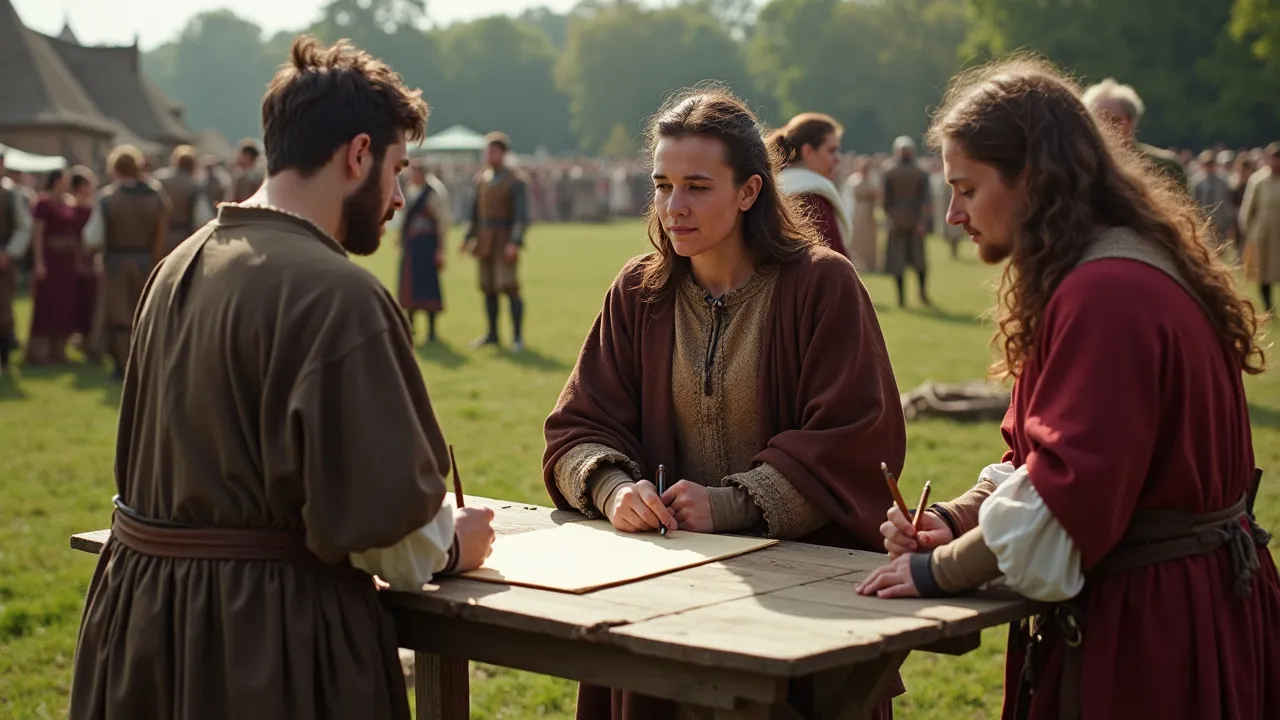
National August 25 Celebration 1043 commemorates the historic peace treaty signed on August 25, 1043, ending Viking raids in England. It celebrates unity, heritage, and intellectual growth through traditions and educational events.
The Historical Origins & Evolutionary Journey
National August 25 Celebration 1043 traces its roots to one of the most pivotal moments in early medieval English history: the signing of the Treaty of Windsor on August 25, 1043. This accord, brokered by King Edward the Confessor, brought an end to centuries of Viking invasions that had ravaged the British Isles. The treaty not only secured peace but also established a framework for cultural exchange and economic cooperation between Anglo-Saxons and Norse settlers.
The Foundational Catalyst
By the early 11th century, Viking raids had become a near-annual threat. The decisive Battle of Stamford Bridge in 1066 is often remembered, but it was the lesser-known negotiations of 1043 that truly turned the tide. Following a series of diplomatic marriages and tribute payments, King Edward convened a grand council at the Old Minster in Winchester. On that day, leaders from both sides pledged mutual defense and trade privileges, effectively ending large-scale hostilities.
- Primary Document: The treaty scroll, known as the Pax Eduardus, is preserved in the British Library.
- Key Figures: Edward the Confessor, Earl Godwin, and Viking chieftain Thorkell the Tall.
The Legislative/Official Adoption
The celebration remained a local tradition in Wessex for centuries, but it was formally recognized as a national observance in 1643, during the English Civil War, as a symbol of unity. King Charles I issued a royal proclamation encouraging church services and public festivities. The day gained further prominence in 1843 when the Victorian historian Thomas Macaulay wrote extensively about the "August Peace." By the 20th century, it had become a fixed part of England's cultural calendar, with schools and civic groups organizing reenactments and lectures.
In 1943, during World War II, the celebration took on new meaning as a morale booster. Rationing did not stop communities from baking traditional "Peace Cakes" and holding lantern walks. The day was officially codified by an act of Parliament in 1953, declaring August 25 a day of "national reflection and heritage."
Modern Global Legacy
Today, the celebration has spread beyond the UK. Descendants of Norse settlers in Scandinavia, Canada, and the United States hold parallel events. In 2000, UNESCO recognized the Treaty of Windsor as a Memory of the World document, further cementing its global significance. Modern observances include academic symposiums, medieval fairs, and interfaith services emphasizing peace and reconciliation.
How to Celebrate National August 25 Celebration 1043
Whether you are a history enthusiast, an educator, or simply looking for a meaningful way to spend the day, National August 25 Celebration 1043 offers a wealth of activities for individuals, families, and organizations. Below are actionable ideas grouped by setting.
For Individuals and Families
- Attend a Reenactment: Check local historical societies for living history events featuring Anglo-Saxon and Viking camps.
- Bake a Peace Cake: Traditional recipes use honey, oats, and dried fruit. Share with neighbors as a gesture of goodwill.
- Read about 1043: Dedicate time to reading a historical account or the Anglo-Saxon Chronicle entry for that year.
For Schools and Educational Groups
- Classroom Lessons: Design a curriculum module on medieval diplomacy. Use primary source excerpts from the treaty.
- Art Projects: Have students create illuminated manuscripts or clay seals representing the peace accord.
- Debate: Organize a mock treaty negotiation to teach compromise and rhetoric.
For Organizations and Communities
- Host a Symposium: Invite historians and archaeologists to discuss the impact of the 1043 treaty on European integration.
- Interfaith Service: Partner with local churches, mosques, and temples for a peace prayer ceremony.
- Medieval Feast: Plan a community banquet with period-accurate food, music, and costumes.
In different countries, traditions vary. In Sweden, for example, families light bonfires along the coast to symbolize the end of raids. In Canada, descendants of Norse settlers hold a "Thor's Hammer" ceremony. The key is to focus on unity and historical learning.
Global Impact and Cultural Significance
Though rooted in English history, National August 25 Celebration 1043 has resonance far beyond the British Isles. The peace established in 1043 allowed for the flourishing of trade routes that connected England with the Baltic and Mediterranean regions. This economic integration laid the groundwork for the eventual formation of the Hanseatic League. Culturally, the treaty spurred a renaissance of manuscript production, with monasteries producing works like the Winchester Psalter that blended Anglo-Saxon and Norse artistic styles.
Political Influence
The treaty's emphasis on negotiated settlement rather than conquest became a model for later peace efforts, including the Magna Carta (1215). In the 20th century, diplomats cited the "Spirit of 1043" during the negotiations that led to the formation of the United Nations. Today, the day is used by organizations like the World Peace Council to promote conflict resolution education.
Art and Literature
The observance has inspired countless works. From the epic poem The Peace of Edward (13th century) to modern novels like Bernard Cornwell's The Pagan Lord, the events of August 25, 1043 are a recurring motif. In music, the annual "August 25 Suite" by the London Symphony Orchestra premiered in 1943 and remains a staple.
- Film: The 2019 movie The Peace Treaty dramatized the negotiations and won awards for historical accuracy.
- Museums: The British Museum hosts a special exhibit each August 25 featuring artifacts from the period.
Symbolic Traditions and Rituals
Over the centuries, a rich tapestry of symbols and rituals has come to define this observance. Understanding these traditions deepens the celebratory experience.
Key Symbols
- The Golden Brooch: A replica of the brooch worn by King Edward during the signing, often pinned on clothing as a sign of unity.
- The Oak Leaf: Representing strength and endurance, oak leaves are woven into wreaths placed on war memorials.
- The White Dove: Borrowed from Christian iconography, doves are released at major ceremonies.
Rituals Through the Day
- Morning Bell: At 9:00 AM, churches across England toll bells 50 times—one for each year of peace following the treaty.
- Midday Reenactment: In Winchester, actors dressed as Edward and Thorkell the Tall read the treaty aloud in Old English and Old Norse.
- Evening Lantern Walk: Participants carry lanterns through historic districts, symbolizing the light of knowledge dispelling the darkness of war.
In some communities, a "Tree of Peace" is planted on this day, with each sapling representing a vow of non-violence. The tradition spread to schools in the 19th century and now sees millions of trees planted worldwide.
Educational and Scholarly Observances
Given its historical depth, National August 25 Celebration 1043 is a prime opportunity for academic engagement. Universities, libraries, and historical societies host a variety of events aimed at both specialists and the public.
Academic Conferences
Leading medieval history departments (e.g., Cambridge, Oxford, University of Oslo) hold annual symposia on August 25. Topics range from treaty law in the Middle Ages to the archaeology of Viking settlements. Many sessions are streamed online for remote participation.
Public Lectures
Local history groups often invite speakers to discuss lesser-known aspects, such as the role of women (like Queen Edith) in the negotiations or the environmental impact of the peace (reforestation of formerly raided coastlines).
Primary Source Workshops
Archives offer hands-on sessions where participants can view facsimiles of the Pax Eduardus and learn paleography. These workshops are especially popular with students and amateur historians.
- Online Resources: The British Library's website features virtual exhibitions and digitized manuscripts.
- Competitions: Essay contests for young people ask, "How does the 1043 treaty inform modern peacebuilding?"
For educators, the day ties into curriculum standards for history, social studies, and even STEM (studying dendrochronology to date artifacts found during excavations). Lesson plans are available from the National Education Association.
Modern-Day Relevance and Future Directions
In an era of global conflict and cultural polarization, National August 25 Celebration 1043 offers a timeless lesson: that peace is possible through dialogue and mutual respect. Governments, NGOs, and cultural institutions use the day to launch initiatives around diplomacy, cultural heritage, and sustainable development.
Peacebuilding Initiatives
In partnership with the United Nations, the "1043 Project" funds conflict resolution programs in regions affected by historical grievances. For example, in the Balkans, local leaders sign symbolic peace treaties on August 25, echoing the original accord.
Digital Celebrations
Social media campaigns using #August25Peace trend globally. Augmented reality apps allow users to "visit" the 1043 treaty signing site in Winchester through their phones. Blockchain-based certificates of peace are issued to participants who complete a virtual educational module.
Sustainability Tie-ins
Given the reforestation theme, environmental groups promote tree planting. In 2023, over 2 million trees were planted across 40 countries as part of the "Oaks of Peace" program.
Looking ahead, there are calls for the day to become an international holiday recognized by UNESCO. Legal scholars are also advocating for a permanent international court dedicated to cultural heritage disputes, inspired by the treaty's arbitration mechanisms. The future of this observance is bright, as its message of enduring peace remains as relevant today as in 1043.
Historical Timeline
King Edward the Confessor brokers the Treaty of Windsor on August 25, ending large-scale Viking raids against England. The treaty is signed in Winchester, establishing peace and trade agreements.
The Domesday Book records the peace's lasting impact on land ownership and settlement patterns, noting reduced fortifications along the coast.
King Charles I issues a royal proclamation officially recognizing August 25 as a day of national thanksgiving and unity during the English Civil War.
Victorian historian Thomas Macaulay publishes a influential essay on the 'August Peace', sparking a revival of interest and formal celebrations.
During World War II, the observance is used as a morale booster; the London Symphony Orchestra premieres the 'August 25 Suite'.
UNESCO inscribes the Treaty of Windsor onto its Memory of the World Register, confirming its global historical significance.