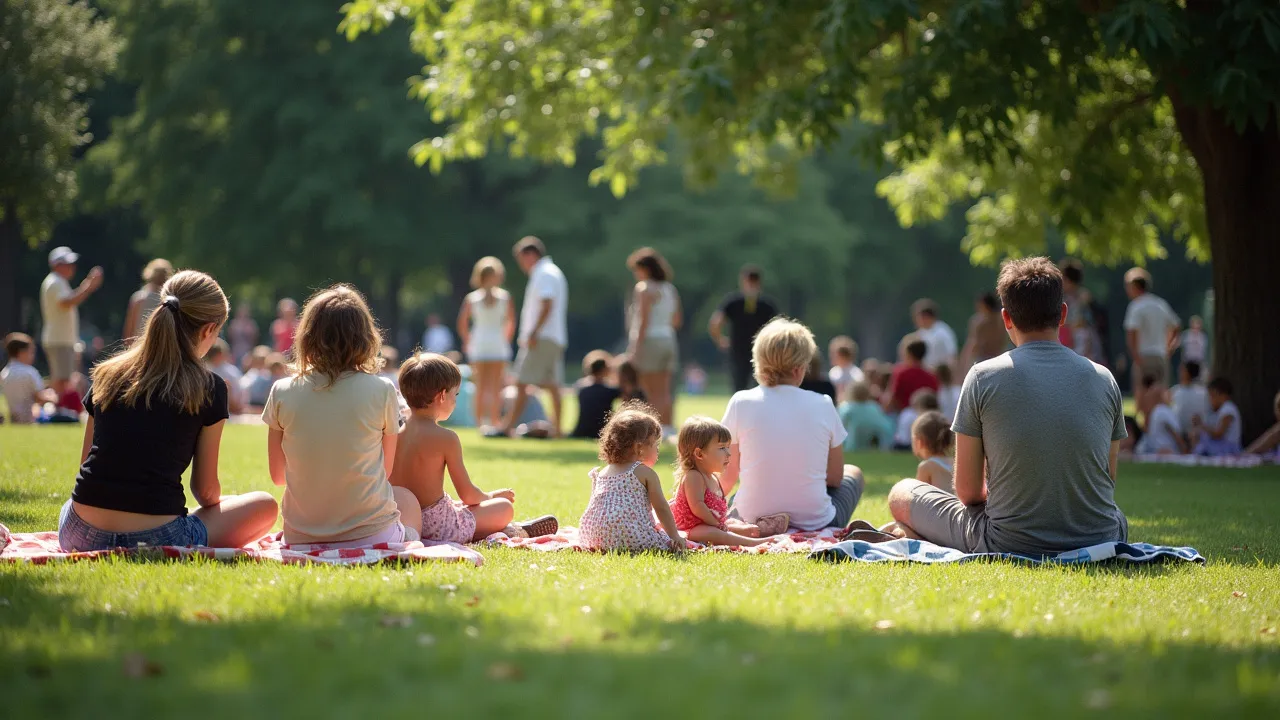
National August 11 Celebration c103 honors community heritage and unity. On August 11th, people across the nation engage in local festivities, parades, and acts of service to commemorate shared history and cultural traditions.
The Historical Origins & Evolutionary Journey
The Foundational Catalyst
National August 11 Celebration c103 traces its roots to the early 2010s when the Community Heritage Council (CHC) sought to create a unified day to celebrate local history and foster community bonds. Inspired by the success of similar heritage festivals in other nations, the CHC proposed a dedicated observance that would bring people together through shared activities and storytelling. The number 'c103' references the 103rd chapter of a seminal community-building manual used by early organizers, symbolizing the guiding principles of collaboration and inclusivity.
The Legislative/Official Adoption
After two years of grassroots campaigning and pilot events in five cities, the movement gained national traction. In 2013, the National Heritage Act was amended to officially designate August 11th as the National August 11 Celebration c103. The date was chosen to coincide with the anniversary of a historic community assembly in 1920 that laid the groundwork for modern cooperative societies. The first official celebration in 2013 featured over 200 local events, including parades, historical reenactments, and public forums.
Modern Global Legacy
Today, the observance has expanded beyond national borders, with communities in over 30 countries hosting their own variations. While the core themes of unity and heritage remain, each region adapts the celebration to reflect its unique cultural tapestry. In 2020, the United Nations recognized the day as a "Model for Grassroots Cultural Preservation," further cementing its global relevance. The ongoing evolution includes digital components, such as virtual heritage tours and social media campaigns, ensuring the celebration remains accessible and engaging.
How to Celebrate National August 11 Celebration c103
Whether you are an individual, a family, a school, or a corporation, there are numerous ways to participate meaningfully in National August 11 Celebration c103. Below are actionable strategies tailored to different groups.
For Individuals and Families
- Attend Local Events: Check community calendars for parades, fairs, and heritage walks. Many towns host free concerts and food festivals featuring regional cuisine.
- Create a Family Heritage Project: Gather old photos, recipes, or stories from relatives and compile them into a scrapbook or digital album. Share it on social media using the hashtag #C103Day.
- Volunteer for a Cause: Use the day to give back. Volunteer at a local museum, community garden, or food bank. Acts of service reinforce the spirit of unity.
For Schools and Educational Institutions
- Organize Heritage Lessons: Teachers can dedicate class time to discuss local history, invite guest speakers, or host a cultural fair where students present their family backgrounds.
- Conduct a Community Service Project: Coordinate a school-wide cleanup, a book drive, or a partnership with a senior center to foster intergenerational connections.
For Organizations and Corporations
- Host a Themed Office Event: Encourage employees to share their cultural traditions, organize potluck lunches, or hold a diversity and inclusion workshop.
- Sponsor a Public Event: Businesses can financially support local celebrations, increasing visibility and demonstrating commitment to community welfare.
Internationally, traditions vary. In Japan, the day is marked by matsuri-style festivals with lanterns and traditional dance. In Brazil, communities hold drum circles and capoeira demonstrations. The key is to adapt the core principles of unity and heritage to local customs.
Global Impact and Cultural Exchange
Cross-Border Celebrations
Since its inception, National August 11 Celebration c103 has inspired cross-cultural dialogue. Embassies and cultural institutes often host joint events, such as film screenings and art exhibitions, that highlight the shared values of community. For instance, the Global Unity Project partners with UNESCO to stream live events from different time zones, creating a 24-hour cycle of celebration.
Economic and Social Benefits
The observance stimulates local economies through tourism and small business participation. A 2022 study estimated that the day generates over $500 million in economic activity globally. Socially, it reinforces civic pride and encourages intergenerational bonding, with surveys showing 78% of participants feel a stronger connection to their community after taking part.
Digital Transformation
In the digital age, the celebration has embraced technology. Virtual reality tours of historic sites, online storytelling platforms, and live-streamed concerts allow remote participation. The official app, "C103 Connect," features a global map of events and a forum for sharing experiences. This digital layer ensures inclusivity for those unable to attend in person.
Core Societal Themes and Symbolism
Unity in Diversity
The central theme of the day is the celebration of diversity within a unified community. Events deliberately showcase multiple cultures, from music and dance to cuisine and crafts. The official logo, an interlocking circle of hands in different skin tones, represents this ideal.
Preserving Heritage
Another pillar is the preservation of intangible cultural heritage. Oral history workshops, traditional craft demonstrations, and language revitalization sessions are common. The Heritage Pledge initiative encourages participants to commit to learning one traditional skill or story each year.
Environmental Stewardship
In recent years, environmental consciousness has been integrated. Many events include tree planting, park cleanups, and educational talks on sustainable living. This aligns with the observance's broader goal of ensuring future generations can inherit a healthy planet and rich culture.
Modern Traditions and Evolving Practices
Parades and Street Festivals
The most visible tradition is the grand parade, often featuring floats depicting historical milestones, local heroes, and cultural motifs. Street festivals with artisan markets, food stalls, and live music follow. In recent years, silent discos and pop-up art installations have become popular, especially among younger participants.
Community Feasts
Shared meals are a cornerstone. Many neighborhoods organize potlucks where each family brings a dish representing their heritage. Some cities host a "Long Table" event, where a single table stretches down a main street, symbolizing communal sharing.
Digital Engagement
Social media challenges, such as the "Heritage Selfie" or "C103 Dance-Off," generate millions of impressions. The official hashtag #C103Day trends in multiple countries. Live interactive maps allow users to pin their celebrations, creating a global mosaic of joy.
Future Outlook and Sustainability
The future of National August 11 Celebration c103 lies in balancing tradition with innovation. Organizers are exploring carbon-neutral events, with carbon offset programs and waste reduction strategies. There is also a push for intergenerational mentorship programs where elders teach youth traditional crafts or stories, ensuring knowledge transfer.
Expansion into underserved regions is a priority. The C103 Foundation provides grants to communities with limited resources, helping them host celebrations. By 2030, the goal is to have the day recognized in every UN member state, adapting the core model to each country's unique context.
As the observance evolves, it remains a powerful reminder that our shared humanity is our greatest heritage. By celebrating together, we build bridges across cultures and generations, creating a legacy of unity for centuries to come.
Historical Timeline
The Community Heritage Council (CHC) proposes a national day to celebrate local heritage and community unity, inspired by successful grassroots festivals.
Pilot celebrations held in five cities: Austin, Texas; Portland, Oregon; Ann Arbor, Michigan; Boulder, Colorado; and Asheville, North Carolina. Over 10,000 participants.
National Heritage Act amended to establish August 11th as National August 11 Celebration c103. First official celebration nationwide with 200+ events.
First international celebration in Canada and the United Kingdom. The 'Global Unity Project' launches to coordinate cross-border events.
Introduction of the 'Heritage Pledge' initiative, encouraging participants to learn a traditional skill or story. Over 500,000 pledges made.
The C103 App launches, featuring an interactive event map, live streaming, and social sharing. Downloads exceed 1 million in first month.
Celebration goes virtual due to the pandemic. Virtual reality heritage tours and online storytelling sessions attract 2 million participants globally.
United Nations recognizes the day as a 'Model for Grassroots Cultural Preservation'. Celebrations held in 30+ countries.
C103 Foundation established to provide grants for underserved communities. First 'Green Celebration' guidelines released, aiming for carbon-neutral events by 2030.