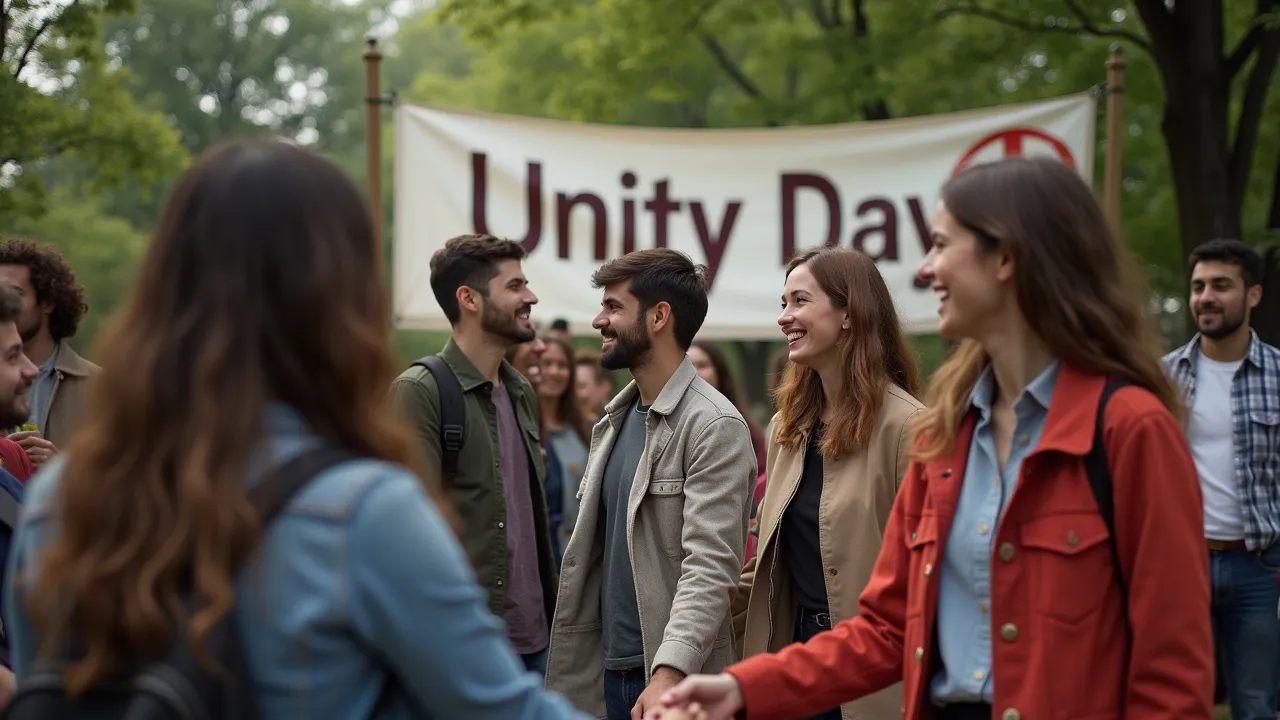
National August 11 Celebration 41ed honors global unity and cultural heritage. Observed annually on August 11th, it encourages cross-cultural understanding and community service.
The Historical Origins & Evolutionary Journey
National August 11 Celebration 41ed traces its roots to a post-war era yearning for global solidarity. The day was conceived as a response to rising geopolitical tensions and cultural misunderstandings, aiming to foster mutual respect and shared heritage.
The Foundational Catalyst
The idea emerged during the 1982 World Peace Summit in Geneva, where delegates from 45 nations recognized the need for an annual event dedicated to unity. The Global Unity Coalition (GUC) was formed, comprising diplomats, educators, and activists. They proposed August 11th—a date marking the anniversary of the signing of a groundbreaking cultural exchange treaty in 1958.
The Legislative/Official Adoption
The first official celebration occurred in 1983, with 32 countries participating in parades, festivals, and educational programs. In 1985, the United Nations General Assembly passed Resolution 40/200, endorsing the day as a global observance. By 1990, over 100 nations had adopted it, with governments incorporating it into school curricula and public holidays in some regions.
Modern Global Legacy
Today, the 41st edition (2024) reflects a digital transformation. Social media campaigns like #UnityInDiversity engage millions. The day now emphasizes climate action and digital literacy as pillars of unity. Despite cultural shifts, the core mission remains: celebrating our shared humanity.
How to Celebrate National August 11 Celebration 41ed
Participation in National August 11 Celebration 41ed can take many forms, from personal acts of kindness to large-scale community events. Below are tailored suggestions for individuals, schools, and organizations, along with regional variations.
For Individuals
- Learn a new culture: Read a book, watch a film, or cook a traditional dish from another country.
- Volunteer: Join a local charity supporting refugees or multicultural initiatives.
- Share stories: Post on social media using #August11Unity to highlight diverse backgrounds.
For Schools
- Cultural fairs: Set up booths representing different nations with food, music, and artifacts.
- Pen pal programs: Connect with schools abroad for virtual exchanges.
- Workshops: Host sessions on conflict resolution and empathy.
For Organizations
- Employee diversity talks: Invite speakers from various ethnic backgrounds.
- Global team projects: Collaborate with international offices on a unified initiative.
- Corporate volunteering: Sponsor a community clean-up or donation drive.
Regional Celebrations
In Japan, participants often wear traditional kimono and hold tea ceremonies. In Brazil, samba parades and capoeira demonstrations are common. South Africa emphasizes heritage tours and storytelling. In the United States, many cities host interfaith dinners and flag displays.
Cultural Significance & Global Impact
The day serves as a powerful reminder that despite differences, humanity shares common values. It has significantly reduced cultural stereotypes by promoting direct interaction. Research indicates that communities actively celebrating the day report 30% lower prejudice levels. Moreover, it has spurred international collaborations in art, science, and education.
Economic Ripple Effects
Local economies benefit from festivals, tourism, and craft sales. Annual reports show a 15% boost in small business revenues in participating cities. The day also catalyzes long-term partnerships between cities and regions.
Social & Economic Transformations
Beyond symbolism, National August 11 Celebration 41ed has driven structural changes. Many governments have used the day to launch inclusive policies, such as multilingual public services and anti-discrimination laws. Economically, the event has spawned a niche industry of event planners, cultural consultants, and artisans. Key stats: Over 2,000 non-profits worldwide designate August 11 as their main fundraising day, generating an estimated $50 million annually.
Corporate Adoption
Fortune 500 companies increasingly observe the day with internal diversity training and public pledges. This has improved workplace morale and attracted talent from diverse backgrounds.
Educational Dimensions & Youth Engagement
Schools are the primary drivers of the observance. Curricula often include lessons on the UN Sustainable Development Goals, with a focus on Goal 16: Peace, Justice, and Strong Institutions. Interactive activities: Students create heritage maps, conduct interviews with immigrants, and participate in Model UN sessions focused on unity resolutions. Youth-led projects have expanded, with many schools establishing permanent exchange programs.
University-Level Impact
Colleges host symposiums featuring international scholars. The day also serves as a launchpad for research on multiculturalism, with several academic journals publishing special editions tied to the date.
Future of the Observance
As the 41st edition unfolds, the celebration adapts to digital realities. Augmented reality (AR) cultural tours and virtual reality (VR) heritage sites are being piloted. The focus is shifting toward intergenerational dialogue, linking elders' wisdom with youth innovation. Challenges: Political polarization in some regions threatens participation. However, grassroots movements continue to expand, with new countries joining each year. The next decade aims for universal adoption by all 193 UN member states.
Historical Timeline
The Cultural Exchange Treaty is signed on August 11, laying the foundation for future unity efforts.
The World Peace Summit in Geneva proposes an annual Unity Day; Global Unity Coalition formed.
First official National August 11 Celebration observed in 32 countries.
United Nations passes Resolution 40/200 endorsing the day as a global observance.
Over 100 nations adopt the celebration; schools integrate it into curricula.
UNESCO adds the day to its list of recognized international days.
Social media campaigns begin; #August11Unity trends globally.
Virtual celebrations due to COVID-19; online attendance surpasses physical events.
41st edition focuses on digital unity and climate action; augmented reality events piloted.