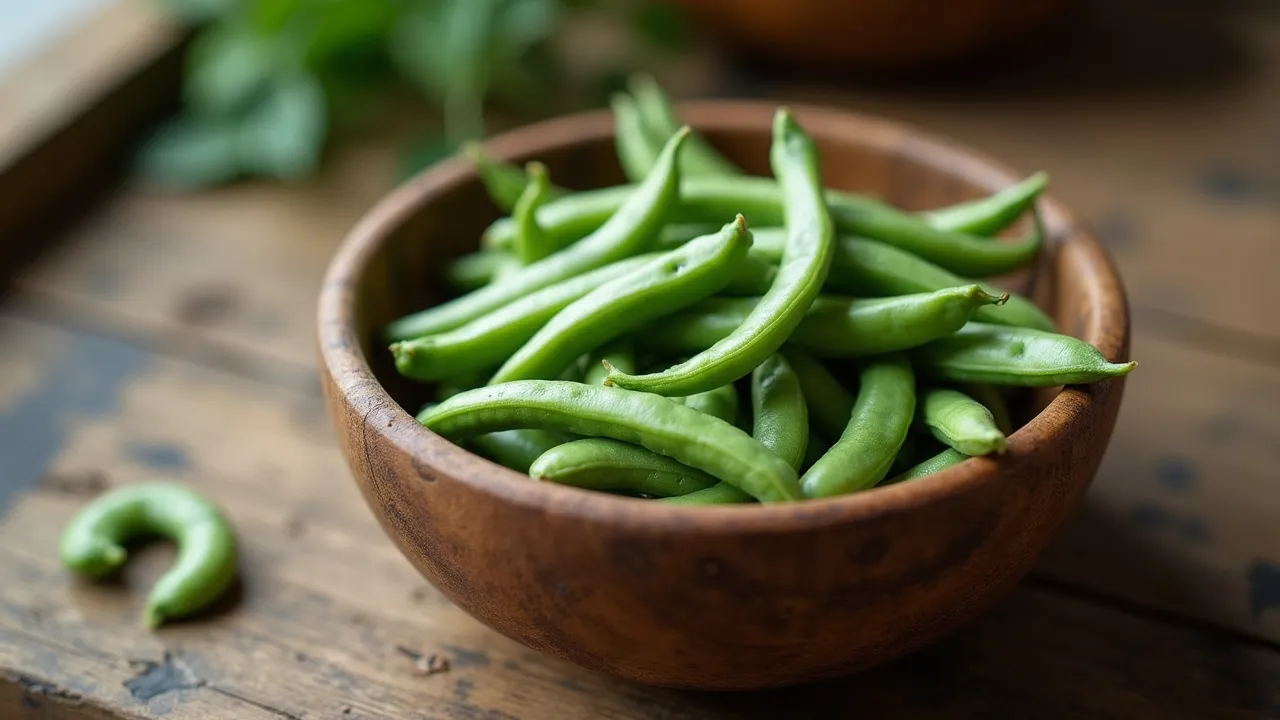
Observed on April 20th, Lima Bean Respect Day celebrates the nutritional powerhouse and cultural significance of the lima bean. From ancient cultivation to modern kitchens, discover why this legume deserves appreciation.
The Historical Origins & Evolutionary Journey
Lima beans, scientifically known as Phaseolus lunatus, have a rich history that dates back thousands of years. Their name derives from the capital of Peru, Lima, reflecting their South American origins. This section explores the fascinating journey of the lima bean from ancient cultivation to a global food staple.
The Foundational Catalyst: Pre-Columbian Cultivation
Archaeological evidence suggests that lima beans were first domesticated in the Andes Mountains of Peru and Ecuador around 6000 BCE. They were a vital food source for pre-Incan civilizations, valued for their high protein content and ability to thrive in varied climates. The beans were often depicted in pottery and textiles, indicating their cultural significance.
Key points about early cultivation:
- Two main gene pools: The large-seeded Lima group (cultivated in the Andes) and the small-seeded Sieva group (cultivated in Central America).
- Spread across the Americas: By the time of European contact, lima beans were cultivated from Mexico to Argentina.
- Trade and transport: Native peoples traded lima beans along established routes, facilitating their spread.
The Legislative/Official Adoption: Introduction to the Old World
Spanish explorers brought lima beans to Europe in the 16th century. Initially, they were grown as ornamental plants, but their culinary value soon became apparent. By the 1700s, lima beans were a common crop in European gardens, particularly in Italy and France. The famous botanist Carl Linnaeus classified them in the 18th century.
In the United States, lima beans were introduced in the early 1800s, gaining popularity in the South. The development of canned and frozen lima beans in the 20th century revolutionized their availability. The USDA officially recognized the nutritional benefits of lima beans during World War II, promoting them as a nourishing and affordable food.
Modern Global Legacy
Today, lima beans are grown on every continent except Antarctica. Major producers include Peru, the United States, China, and Madagascar. The establishment of Lima Bean Respect Day on April 20th (first observed in 2016) represents a modern effort to honor this humble legume. The day encourages people to explore the history, health benefits, and culinary versatility of lima beans. As a testament to its global reach, the lima bean features in diverse cuisines: from the spicy habas of Mexico to the creamy gigantes of Greece.
How to Celebrate Lima Bean Respect Day
Lima Bean Respect Day offers a unique opportunity to appreciate a often-overlooked legume. Whether you're a seasoned cook or a curious foodie, these celebration ideas will help you honor the day with enthusiasm and insight.
Individual Celebrations
- Cook a New Recipe: Try a classic Southern butter beans dish, a Peruvian causa with lima beans, or a creamy lima bean soup. Experiment with spices like cumin, paprika, or rosemary.
- Grow Your Own: If climate permits, plant lima bean seeds in a home garden. They are relatively easy to grow and do well in warm weather.
- Educational Reading: Learn about the history and nutrition of lima beans through books or reputable online articles. Share your findings with friends.
School and Community Events
- Lima Bean Cook-Off: Organize a friendly competition where participants bring their best lima bean dish. Include categories like traditional, fusion, and dessert.
- Nutrition Workshops: Host a session highlighting the health benefits of lima beans, including their high fiber, protein, and minerals like iron and magnesium.
- Art Projects: Use dried lima beans to create mosaics or counting games for young children, emphasizing the bean's cultural significance.
Corporate and Social Rituals
Companies in the food industry can launch limited-edition lima bean products or host tasting events. Non-profits can use the day to promote food security through legumes. Social media campaigns under hashtags like #LimaBeanRespectDay can share recipes, fun facts, and stories. Restaurants might feature a special lima bean appetizer or entree to attract adventurous diners.
Regional Variations Worldwide
While Lima Bean Respect Day is primarily observed in the United States on April 20th, similar celebrations exist globally. In Peru, the Fiesta del Frijol (Bean Festival) highlights local varieties. In Greece, the feast of Gigantes Plaki (baked giant beans) often coincides with local harvest festivals. These events underscore the global appreciation for this versatile legume.
Nutritional Profile and Health Benefits of Lima Beans
Lima beans are a nutritional powerhouse, offering an impressive array of vitamins, minerals, and macronutrients. This section provides a comprehensive overview of their health benefits, supported by scientific research.
Macronutrient Composition
A one-cup serving (170 grams) of cooked lima beans contains approximately:
- Calories: 216
- Protein: 15 grams
- Carbohydrates: 39 grams
- Fiber: 13 grams
- Fat: 0.7 grams
This makes lima beans an excellent source of plant-based protein and dietary fiber, both of which promote satiety and digestive health.
Micronutrient Richness
Lima beans are particularly high in:
- Molybdenum: 313% of the Daily Value (DV) – essential for enzyme functions.
- Folate: 78% DV – crucial for DNA synthesis and cell division.
- Copper: 41% DV – supports iron metabolism and nervous system.
- Manganese: 36% DV – important for bone health and antioxidant defense.
- Magnesium: 28% DV – aids muscle and nerve function, blood glucose control.
- Iron: 24% DV – helps prevent anemia.
Health Benefits
Regular consumption of lima beans is linked to several health advantages:
- Heart Health: The high fiber and potassium content help lower blood pressure and cholesterol levels.
- Blood Sugar Control: Their low glycemic index and fiber slow digestion, preventing spikes in blood sugar.
- Weight Management: The combination of protein and fiber increases feelings of fullness, reducing overall calorie intake.
- Digestive Health: Fiber promotes regular bowel movements and feeds beneficial gut bacteria.
However, it is important to note that lima beans contain cyanogenic glycosides, which must be destroyed by thorough cooking. Proper preparation eliminates any potential toxicity.
Global Cultivation and Economic Impact
Lima beans are a significant agricultural commodity with a wide geographic footprint. This section examines their cultivation practices, leading producers, and economic contributions.
Major Producing Regions
According to the Food and Agriculture Organization (FAO), the top lima bean producers (as of 2022) are:
- Peru – The ancestral home of lima beans remains a top producer, with high-quality exports.
- United States – California, Wisconsin, and Texas lead US production, primarily for processing (canned and frozen).
- China – A major producer for domestic consumption and export.
- Madagascar – A significant processor of dried lima beans for European markets.
Other notable producers include Mexico, Ethiopia, and Kenya.
Cultivation Practices
Lima beans thrive in warm climates with well-drained soil and temperatures between 60-80°F (15-27°C). They are typically planted after the last frost and harvested in late summer. There are two main types:
- Bush lima beans: Compact plants that do not require support; bear fruit earlier.
- Pole lima beans: Vining plants that need trellises; produce over a longer period.
Farmers often practice crop rotation with grains to maintain soil fertility. Irrigation is crucial in arid regions, and pests like aphids and spider mites require careful management.
Economic Significance
The global lima bean market is valued at over $1.5 billion, with steady growth driven by rising demand for plant-based proteins. In the US, the annual lima bean crop is valued at around $100 million. Processing into frozen and canned forms adds significant value, creating jobs in agriculture and manufacturing. Additionally, lima bean exports contribute to the trade balance of developing countries like Peru and Madagascar.
Culinary Versatility: From Appetizers to Desserts
Lima beans are incredibly versatile in the kitchen, capable of starring in savory dishes as well as unexpected sweet creations. This section explores global culinary uses and innovative recipes.
Traditional Preparations
Around the world, lima beans feature in iconic dishes:
- Peru: Papa a la Huancaína often includes lima beans, and causa limeña layers mashed potatoes with a lima bean filling.
- United States (South): Creamed lima beans, succotash (corn and lima beans), and butter beans as a side dish.
- Greece: Gigantes plaki – large white lima beans baked in a tomato sauce with herbs.
- India: Pav bhaji sometimes includes Lima beans for texture, and curries use baby limas.
- Mexico: Habas (dried lima beans) are used in soups, stews, and as a filling for tacos.
Modern Twists
Chefs and home cooks are finding new ways to incorporate lima beans:
- Hummus – Substitute chickpeas with lima beans for a creamier, milder hummus.
- Salads – Add cold cooked lima beans to salads with vinaigrette, feta, and mint.
- Soups – Puree lima beans into a smooth, velvety soup with garlic and lemon.
- Burgers – Mash lima beans with breadcrumbs and spices to form vegetarian patties.
Dessert Applications
Believe it or not, lima beans can be used in sweets:
- Lima Bean Brownies – Pureed lima beans replace some flour and fat, adding moisture and fiber.
- Lima Bean Cookies – Blend cooked lima beans into cookie dough for a protein boost.
- Sweet Lima Bean Paste – Used in Asian-like desserts, similar to red bean paste, but with a milder flavor.
With a neutral flavor that absorbs seasonings well, lima beans are a blank canvas for culinary creativity.
Future of Lima Beans: Sustainability and Food Security
As the world faces challenges of climate change, population growth, and the need for sustainable protein sources, lima beans are poised to play a crucial role. This final section discusses the potential of lima beans in future food systems.
Environmental Benefits
Lima beans, like other legumes, fix nitrogen in the soil through symbiosis with rhizobia bacteria. This reduces the need for synthetic nitrogen fertilizers, lowering greenhouse gas emissions. Additionally, lima bean plants have relatively low water requirements compared to animal-based proteins, making them a more sustainable choice. Their deep root systems help prevent soil erosion.
Nutritional Security
With high protein and fiber content, lima beans can help combat malnutrition in developing regions. They are affordable and calorie-dense, making them an ideal crop for food aid programs. Research is underway to develop varieties that are even more resilient to drought and pests, ensuring stable yields.
Breeding and Genetic Improvement
Modern breeding programs focus on traits such as:
- Drought tolerance: Developing varieties that can withstand extended dry periods.
- Disease resistance: Enhancing resistance to common diseases like anthracnose and root rot.
- Reduced cyanogenic content: Lowering natural toxins to improve safety and processing ease.
- Improved taste and texture: Selecting for thinner skin and faster cooking times.
Consumer Trends
Growing interest in plant-based diets and flexitarianism is driving demand for legumes. Lima beans, with their creamy texture and mild flavor, are well-positioned to become a mainstream protein substitute. Innovative products like lima bean pasta, chips, and snack packs are emerging in health-food stores. Social media campaigns and food blogs are helping to rebrand lima beans from a "grandma vegetable" to a trendy, nutritious choice.
In summary, Lima Bean Respect Day is not just a celebration of a food, but a reminder of the legume's historical, nutritional, and environmental significance. By honoring this day, we contribute to a more sustainable and healthy future.
Historical Timeline
Lima beans are first domesticated in the Andes region of Peru and Ecuador by pre-Columbian peoples.
Spanish conquistadors encounter lima beans in South America and introduce them to Europe, where they are initially grown as ornamentals.
Lima beans become a popular crop in the United States, especially in the South, and are commercially cultivated for both fresh and dried markets.
The United States Department of Agriculture (USDA) promotes lima beans as a nutritious and economical food, leading to increased production during World War II.
Frozen and canned lima beans become widely available, boosting year-round consumption.
Genetic studies confirm two distinct gene pools of lima beans: the Andean (large-seeded) and Mesoamerican (small-seeded) varieties.
Lima Bean Respect Day is first observed on April 20th, as popularized by the National Day Calendar, to honor the legume and encourage its appreciation.