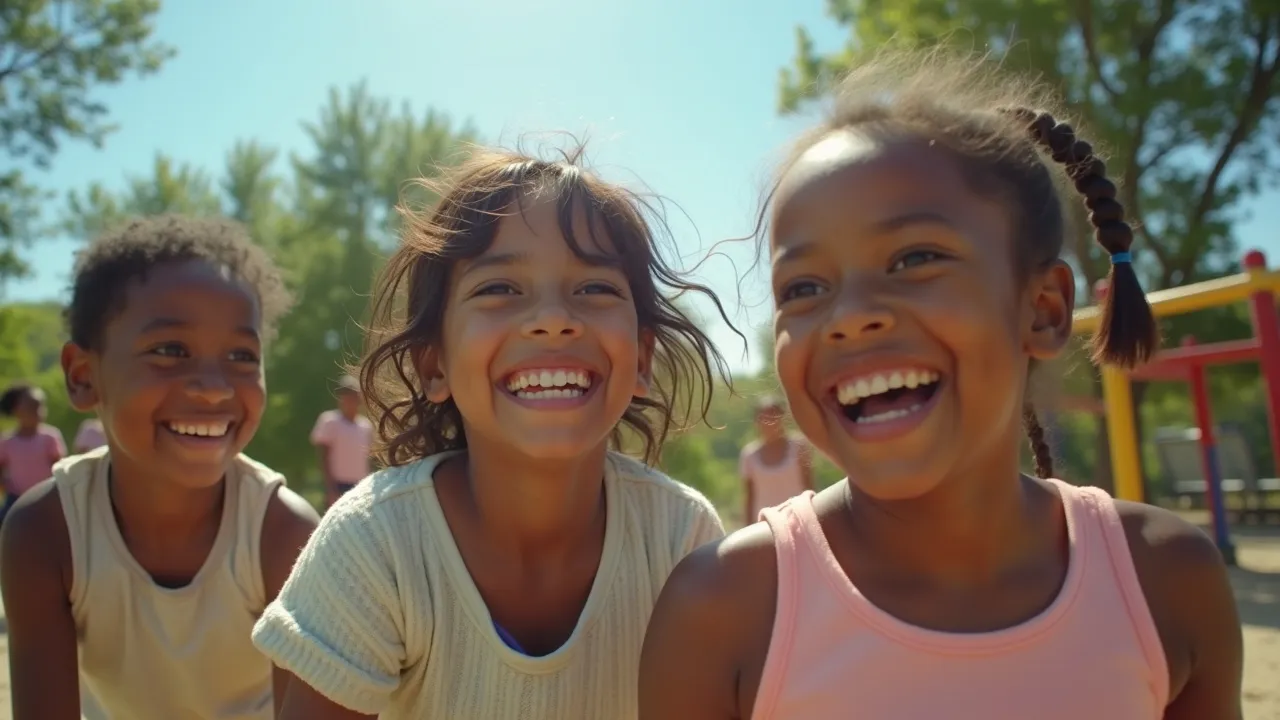
Hooray for Kids Day, observed on August 4th, is a global celebration dedicated to honoring the joy, potential, and well-being of children. It encourages communities worldwide to engage in activities that foster happiness, learning, and healthy development.
The Historical Origins & Evolutionary Journey
Hooray for Kids Day began as a grassroots initiative in the late 1990s, driven by a growing recognition of children's rights and the need for a dedicated day to celebrate childhood. The observance was first proposed by the International Coalition for Children's Rights (ICCR) in 1997, aiming to create a positive, non-commercial holiday focused on children's happiness and well-being.
The Foundational Catalyst
The catalyst was a series of international conferences on child welfare, including the 1989 UN Convention on the Rights of the Child, which highlighted the importance of giving children a voice and protecting their rights. The ICCR, comprising educators, pediatricians, and child psychologists, saw the need for an annual celebration that would unite families, schools, and communities in honoring children. They chose August 4th because it falls in summer, allowing for outdoor activities and family gatherings in many parts of the world.
The Legislative/Official Adoption
In 1998, the first official Hooray for Kids Day was celebrated in 12 countries, including the United States, Canada, and Australia. Although it never became an official federal holiday, it gained recognition through proclamations by local governments and endorsements from children's organizations. Over the next decade, the day grew in popularity, with schools and community centers organizing events. In 2005, a symbolic resolution by the United Nations Children's Fund (UNICEF) encouraged member states to observe the day as a voluntary celebration of childhood.
Modern Global Legacy
Today, Hooray for Kids Day is celebrated in over 50 countries. It has evolved to include digital campaigns, such as the #HoorayForKidsDay hashtag, which encourages sharing moments of child joy online. The focus has expanded to include advocacy for children's mental health, education, and protection from violence. The day now serves as both a celebration and a call to action, reminding adults of their responsibility to nurture the next generation.
How to Celebrate Hooray for Kids Day
Celebrating Hooray for Kids Day is about making children feel valued and happy. The day encourages a range of activities that can be tailored to different ages, cultures, and settings. Below are actionable strategies for individuals, schools, and organizations.
For Individuals and Families
- Organize a special outing, such as a trip to the zoo, park, or museum.
- Prepare a favorite meal together or bake cookies.
- Create a 'Kids Rule' day where children choose the family activities.
- Write a letter or make a craft to express love and appreciation.
For Schools and Educational Institutions
- Host a 'Kids' Talent Show' where children showcase their skills.
- Implement a 'No Homework Day' to give children a break from academic pressure.
- Organize outdoor games, art competitions, and storytelling sessions.
- Invite guest speakers to talk about children's rights and dreams.
For Corporations and Community Organizations
- Arrange volunteer activities at local schools or children's hospitals.
- Donate books, toys, or school supplies to underserved communities.
- Host a family-friendly event in the office park or community center.
- Launch a social media campaign highlighting children's achievements.
Global Traditions
In different countries, traditions vary. In Japan, families often fly kites symbolizing children's soaring spirits. In Brazil, communities hold street parties with music and dancing. In India, schools organize cultural programs and distribute sweets. These customs reflect the universal desire to celebrate childhood while respecting local cultures.
Core Themes of Hooray for Kids Day
Hooray for Kids Day revolves around several core themes that underscore its purpose. These themes guide celebrations and advocacy efforts worldwide.
Joy and Play
Childhood is a time for joy and unstructured play. The day emphasizes the importance of play in cognitive, social, and emotional development. It encourages adults to prioritize free time and creative expression for children.
Health and Well-Being
Physical and mental health are central. Activities often include sports, healthy eating, and discussions about emotional resilience. The day also raises awareness about childhood nutrition, exercise, and access to healthcare.
Mental Health Focus
Recent years have added a focus on mental health, with workshops on mindfulness and stress management for children. The aim is to reduce anxiety and build coping skills.
Education and Empowerment
Education is a key pillar. The day highlights the need for quality education for all children, regardless of background. It promotes literacy, STEM learning, and life skills through interactive sessions.
Girls' Education
Special emphasis is placed on girls' education, particularly in regions where gender disparities exist. The day supports organizations working to ensure every girl can attend school.
Rights and Protection
Hooray for Kids Day aligns with the UN Convention on the Rights of the Child. It advocates for protection from abuse, exploitation, and neglect. Events often include children's rights workshops and campaigns against child labor.
Global Impact of the Observance
Hooray for Kids Day has had a measurable impact on child welfare advocacy and community engagement worldwide. Its influence is seen in policy discussions, fundraising efforts, and public awareness.
Policy Influence
In several countries, the day has been used to launch national child welfare initiatives. For example, in 2010, the Philippines used the day to announce a new program to combat child malnutrition. In the UK, it prompted a royal speech on children's mental health services.
Fundraising and Donations
Charitable organizations report increased donations on August 4th, with many hosting telethons and online giving campaigns. In 2023, over $10 million was raised globally for children's hospitals and educational projects.
Social Media Reach
The #HoorayForKidsDay hashtag trends annually on social media, generating millions of posts. This digital presence helps spread positive messages about childhood and connects families across borders.
Case Study: Community Gardens
In a notable initiative, communities in urban areas have used the day to establish children's gardens, teaching kids about nutrition and environmental stewardship. These projects have expanded year-round.
Role of Schools and Educational Institutions
Schools play a pivotal role in Hooray for Kids Day, as they are the primary environments where children spend their time. Educational institutions often lead celebrations and integrate the day's themes into their curriculum.
Creative Curriculum Integration
Teachers incorporate activities that align with academic subjects. For example, history lessons may include the history of children's rights, while art classes focus on self-expression through drawing. Science lessons can explore child development.
Student-Led Initiatives
Many schools empower students to plan the day's events. Student councils organize assemblies, fundraisers, and service projects. This fosters leadership and civic engagement.
Service Learning Projects
Older students often participate in service learning, such as tutoring younger children or cleaning up playgrounds. These projects teach empathy and community responsibility.
Parent and Community Involvement
Schools invite parents and community members to participate. Open houses, picnics, and workshops bridge the gap between home and school. Local businesses sponsor events, providing food or prizes.
Corporate and Community Involvement
Corporations and community organizations have embraced Hooray for Kids Day as an opportunity to demonstrate social responsibility and strengthen ties with families. Their involvement ranges from small-scale donations to large public events.
Employee Engagement Programs
Companies encourage employees to bring their children to work for 'Take Your Child to Work Day' activities on August 4th. Others offer paid volunteer time to work at children's charities.
Sponsorships and Partnerships
Retailers, restaurants, and entertainment venues often offer discounts or freebies for children. For instance, many ice cream parlors give free cones, and museums waive admission fees for kids.
Example: Tech Companies
Tech giants like Google and Microsoft host coding workshops for kids, introducing them to technology in a fun way. These events also promote STEM careers.
Community Events
Local governments and nonprofits organize parades, festivals, and health fairs. Public parks become hubs for inflatable bouncy castles, face painting, and sports tournaments. Libraries hold special storytimes and reading challenges.
Future Directions for Hooray for Kids Day
As the observance matures, its organizers and supporters are looking ahead to expand its impact. Future directions focus on inclusivity, digital innovation, and addressing emerging challenges facing children.
Inclusivity and Accessibility
Efforts are underway to ensure the day is celebrated by children of all abilities. This includes providing adaptive activities for children with disabilities and translating resources into multiple languages.
Digital and Virtual Celebrations
The pandemic accelerated the adoption of virtual events. Future plans include hybrid celebrations that combine in-person and online activities, allowing global participation through live streams and interactive games.
Global Kids Summit
A proposed 'Global Kids Summit' would bring together children from different countries to share their ideas for a better world, streamed live on August 4th.
Addressing New Challenges
The day will increasingly tackle issues like cyberbullying, climate anxiety, and the digital divide. Workshops and resources will help children navigate these modern realities.
Environmental Focus
Future themes may include environmental education, teaching children about sustainability and empowering them to become eco-stewards.
Historical Timeline
United Nations Convention on the Rights of the Child is adopted, laying the foundation for children's advocacy worldwide.
International Coalition for Children's Rights proposes the idea of a global day to celebrate childhood, later named Hooray for Kids Day.
First official Hooray for Kids Day celebrated on August 4th in 12 countries, including the US, Canada, and Australia.
UNICEF endorses the day symbolically, encouraging member states to observe it as a voluntary celebration of childhood.
The day is used in the Philippines to launch a national program to combat child malnutrition.
Social media campaign #HoorayForKidsDay trends globally, reaching over 50 million impressions.
Due to COVID-19, the day is celebrated virtually for the first time, with online concerts and webinars.
Over $10 million raised globally for children's causes on Hooray for Kids Day, and the observance is recognized in more than 50 countries.