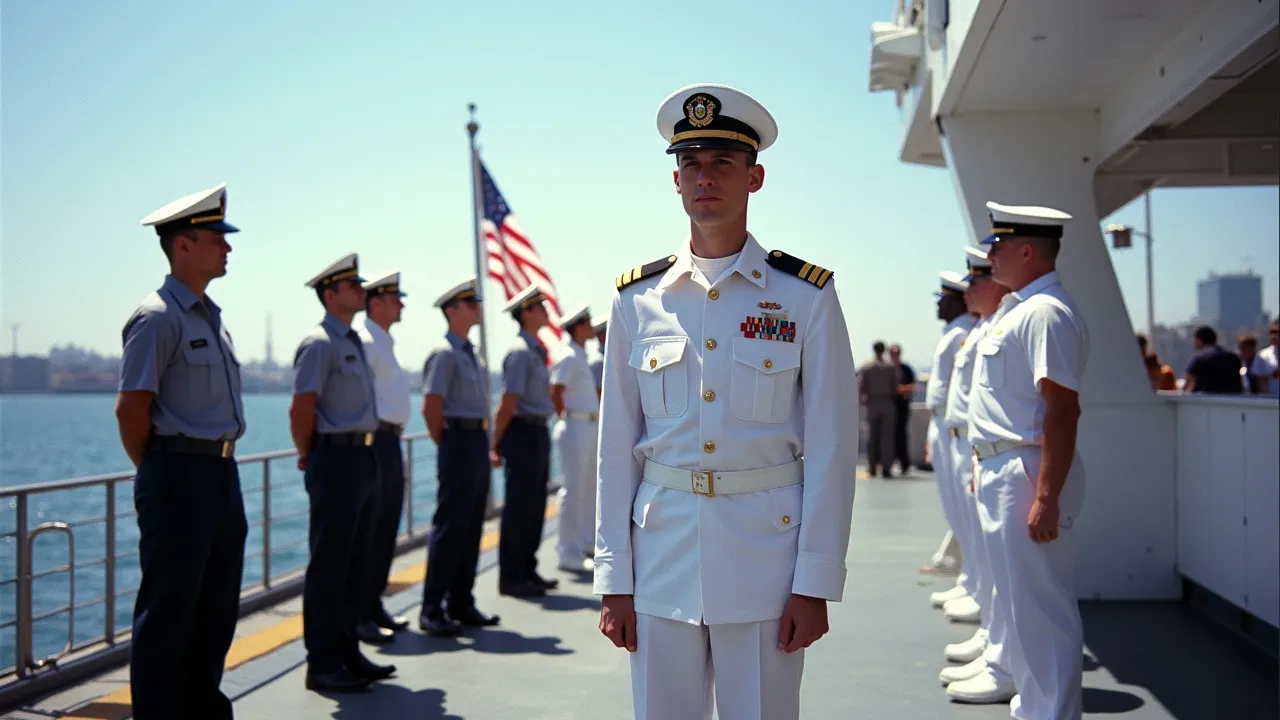
Coast Guard Day, observed annually on August 4th, honors the founding of the United States Coast Guard in 1790. It celebrates the service's rich heritage, bravery, and critical role in maritime security, safety, and environmental protection.
The Historical Origins & Evolutionary Journey
Coast Guard Day, observed on August 4th, commemorates the founding of the United States Coast Guard (USCG) on that date in 1790. This day is not merely a ceremonial nod but a deep reflection of the service's enduring legacy, evolving from a small fleet of ten cutters into a multifaceted maritime force.
The Foundational Catalyst
The roots of the Coast Guard lie in the Revenue Cutter Service, established by the Tariff Act of 1790. Proposed by Secretary of the Treasury Alexander Hamilton, the act authorized the construction of ten cutters to enforce federal tariff and trade laws, prevent smuggling, and protect the nation's revenue. These first cutters—vessels like the USRC Vigilant—were the backbone of America's maritime law enforcement.
The need for such a service was urgent: after the American Revolution, the fledgling nation faced economic instability and rampant smuggling. Hamilton envisioned a seagoing police force that would not only collect duties but also safeguard commercial interests. The Revenue Cutter Service operated under the Treasury Department, a unique arrangement that persists today.
The Legislative/Official Adoption
Over the next century, the Revenue Cutter Service expanded its duties: it assisted vessels in distress, fought piracy, and served as a de facto navy in times of conflict. In 1915, President Woodrow Wilson signed the Act to Create the Coast Guard, merging the Revenue Cutter Service with the Life-Saving Service, formally birthing the modern United States Coast Guard. The act retained the August 4th founding date as the service's birthday.
Though not an official federal holiday, Coast Guard Day has been observed informally since the early 1900s and was later recognized by presidential proclamations and service directives. Each year, stations, cutters, and bases hold ceremonies, open houses, and community events.
Modern Global Legacy
Today, the Coast Guard is one of the five armed services of the United States and the only military branch not under the Department of Defense (except during wartime). Its missions span maritime safety, security, and stewardship. From search and rescue (SAR) to drug interdiction, environmental protection, and icebreaking, the Coast Guard's reach is global. Coast Guard Day serves as a reminder of the service's unwavering commitment to duty, honor, and country.
How to Celebrate Coast Guard Day
Coast Guard Day offers numerous ways for individuals, families, and organizations to honor the service. Whether you are near the coast or inland, there are meaningful activities to participate in.
Ideas for Individuals and Families
- Attend an Open House: Many Coast Guard stations and cutters open their doors to the public on or near August 4th. Visitors can tour vessels, meet crew members, and learn about equipment.
- Fly the Coast Guard Ensign: Show your support by displaying the Coast Guard flag outside your home or business.
- Thank a Coast Guard Member: A simple gesture of gratitude—a card, a social media shout-out, or a personal thank you—goes a long way.
- Educational Activities: Read books about Coast Guard history, watch documentaries, or explore the Coast Guard Museum.
Organizational and Community Celebrations
- Host a Ceremony: Military bases, veterans' organizations, and local governments can hold a formal ceremony with speeches, a cake-cutting (a traditional birthday custom), and a moment of remembrance for fallen members.
- Community Service Projects: Organize a beach cleanup or a fundraiser for Coast Guard family support programs.
- Social Media Campaigns: Share historical facts, photos, and stories using hashtags like #CoastGuardDay or #August4.
Global Variations
While Coast Guard Day is primarily a US observance, other nations honor their coast guards on different dates. For instance, Canada celebrates Coast Guard Day on May 4th, and India observes it on February 1st (foundation day of the Indian Coast Guard). In the United Kingdom, the Royal National Lifeboat Institution (RNLI) holds its own celebrations. Wherever you are, the spirit of honoring maritime guardians unites all.
Global Impact and International Cooperation
The United States Coast Guard does not operate in isolation; it collaborates with coast guards and maritime agencies worldwide. On Coast Guard Day, it's important to recognize this global network that ensures safe and secure oceans.
International Partnerships
The USCG participates in joint exercises, information sharing, and capacity building with nations such as Canada, Mexico, Japan, and European Union member states. For example, the North American Maritime Security Initiative coordinates efforts to combat transnational crime.
Humanitarian Assistance
Coast Guard assets are often deployed for international disaster relief. After the 2010 Haiti earthquake, the USCG provided critical search and rescue and logistics support. Similarly, they assist in refugee rescue in the Mediterranean and border security in the Pacific.
Environmental Stewardship
The Coast Guard enforces international regulations on pollution prevention, oil spill response, and fisheries management. Operations like Operation Gulf Guardian protect marine ecosystems. These efforts resonate globally, underscoring the service's role in preserving ocean health.
Modern Observances and Traditions
Coast Guard Day has evolved into a day of reflection, celebration, and community interaction. Modern traditions blend formal military protocol with public outreach.
Station-Level Events
- Change of Command Ceremonies: Often scheduled around August 4th, these ceremonies symbolize continuity and leadership transition.
- Static Displays: Helicopters, small boats, and advanced cutter models are displayed for public viewing.
- Coast Guard Challenge: A friendly athletic competition among crew members, often including a 5K run, swimming, and boat handling.
Virtual Celebrations
In recent years, the Coast Guard has embraced digital engagement. Live streaming of events, virtual tours of cutters, and online Q&A sessions allow people across the country to participate. The Coast Guard Commandant typically releases a video message highlighting the service's achievements.
Commemorative Products
Each year, the Coast Guard Foundation offers limited-edition coins, patches, and clothing. A portion of sales supports morale and welfare programs for active-duty members and their families.
The Coast Guard’s Unique Role in National Security
Unlike other military branches, the Coast Guard operates under the Department of Homeland Security in peacetime but can be transferred to the Navy during war. This duality gives it a distinctive position in US defense.
Law Enforcement at Sea
The Coast Guard is the lead federal agency for maritime law enforcement. Its Boarding Teams interdict drugs, weapons, and illegal migrants. In 2023 alone, the Coast Guard seized over 200,000 pounds of cocaine.
Port and Waterway Security
After 9/11, the Coast Guard's role expanded to include port security. Units like the Marine Safety and Security Teams (MSST) protect critical infrastructure and respond to threats.
Search and Rescue (SAR)
Every day, the Coast Guard saves an average of 10 lives. Coast Guard Day honors the professionalism and selflessness of SAR crews who brave storms and rough seas.
Educational and Cultural Significance
Coast Guard Day serves as an educational platform to teach the public about maritime heritage and the importance of the service. Schools and museums often incorporate the day into their curricula.
Museums and Historic Sites
The Coast Guard Museum in New London, Connecticut, and the Coast Guard Heritage Asset in various locations offer special exhibits on August 4th. Virtual tours are available for those unable to attend in person.
Youth Programs
The Coast Guard Auxiliary and Junior Reserve Officers' Training Corps (JROTC) units often host outreach events. These programs inspire young people to consider careers in maritime service.
Documentary Screenings
Several public broadcasting stations air documentaries about the Coast Guard on or around Coast Guard Day. Topics range from heroic rescues to the service's role in climate change adaptation.
Historical Timeline
The United States Revenue Cutter Service is established by the Tariff Act on August 4th, under the direction of Secretary of the Treasury Alexander Hamilton. Ten cutters are authorized to enforce tariff laws.
President Woodrow Wilson signs the Act to Create the Coast Guard, merging the Revenue Cutter Service with the United States Life-Saving Service, forming the modern Coast Guard.
The United States Lighthouse Service is transferred to the Coast Guard, adding aids to navigation responsibilities.
The Coast Guard's Bureau of Marine Inspection and Navigation is transferred to the service, giving it authority over merchant marine safety.
The Coast Guard is transferred from the Treasury Department to the newly created Department of Transportation.
The Coast Guard moves to the Department of Homeland Security under the Homeland Security Act, aligning its missions with homeland security priorities.
The Coast Guard celebrates its 230th anniversary. August 4th is marked with virtual events due to the COVID-19 pandemic, emphasizing the service's adaptability.