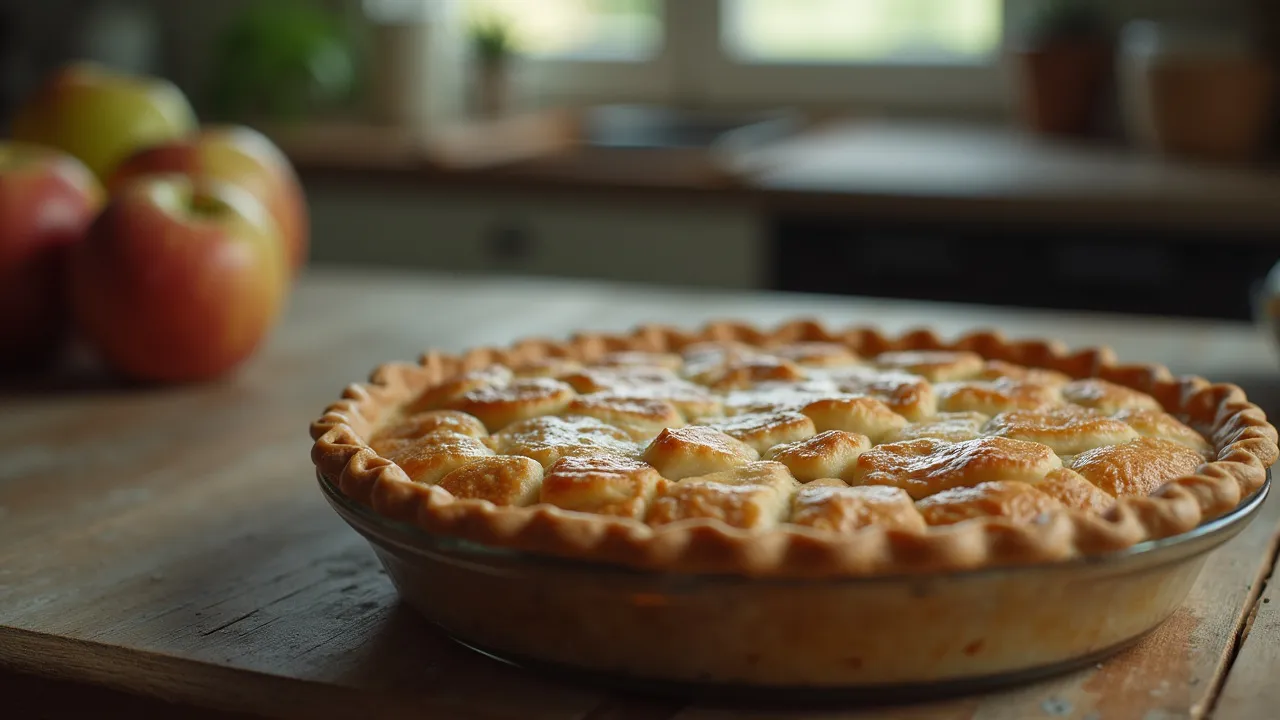
Celebrate Homemade Pie Day on August 1st by honoring the tradition of baking pies from scratch. Discover the history, global variations, and tips for creating your own perfect pie at home.
The Historical Origins & Evolutionary Journey
Homemade Pie Day, observed on August 1st, celebrates the timeless tradition of crafting pies from scratch. The origins of pie-making trace back thousands of years, but the specific holiday emerged in the late 20th century as a homage to home baking.
The Foundational Catalyst
The earliest pies were savory, with ancient Egyptians creating a crude pastry shell filled with meat and honey. The Greeks and Romans refined the art, but it was in medieval Europe that pie became a staple. Pilgrims brought pie-making to America, where it evolved into a symbol of hearth and home. The modern Homemade Pie Day was likely catalyzed by the resurgence of home baking in the 1980s, a time when convenience foods dominated but a yearning for authenticity grew. Home bakers and food bloggers championed a return to scratch-made pies, leading to the informal establishment of this observance.
The Official Adoption
Unlike federal holidays, Homemade Pie Day is an unofficial celebration recognized by baking communities and food enthusiasts. No legislative body declared it; rather, it spread through grassroots efforts. Early adopters included rural homemakers, culinary schools, and later, social media influencers. This decentralized origin gives the day a genuine, community-driven spirit.
Modern Global Legacy
Today, Homemade Pie Day is celebrated across the US and increasingly worldwide. It encourages bakers to put down store-bought crusts and embrace the tactile joy of flour and butter. The day also fosters cultural exchange as people share traditional family recipes and explore international pies like British shepherd's pie, Australian meat pie, and French tarte Tatin. August 1st serves as a mid-summer reminder that great pies aren't just for holidays—they're for everyday enjoyment.
How to Celebrate Homemade Pie Day
Homemade Pie Day offers a perfect opportunity to engage in the art of pie-making. Here is a comprehensive guide to celebrating, from selecting recipes to sharing with your community.
Step-by-Step Celebration Plan
- Choose Your Pie: Decide between sweet (apple, cherry, pecan) and savory (chicken pot pie, quiche). Consider seasonal produce for peak flavor.
- Gather Ingredients: Use fresh, high-quality items. For crust: flour, butter, ice water. For filling: fruits, spices, sugar, or savory components like meat and vegetables.
- Master the Crust: The foundation of any great pie. Keep ingredients cold, work quickly, and don't overwork the dough.
- Prepare the Filling: Balance sweetness or savoriness. For fruit pies, add thickeners like cornstarch to prevent runniness.
- Assemble and Bake: Roll out dough, fill, top with lattice or full crust. Brush with egg wash for golden finish. Bake until bubbly and browned.
- Cool and Share: Let the pie cool completely to set. Share with neighbors, family, or local community groups. Consider hosting a pie-tasting event.
International Traditions
- United Kingdom: Bake a classic steak and kidney pie or a fruit-filled pasty. Often served with mashed potatoes or gravy.
- Australia: Meat pies are ubiquitous; try a kangaroo or emu pie for a unique twist. Often eaten with tomato sauce.
- France: Celebrate with a tarte aux fruits (fruit tart) or a savory quiche Lorraine.
- Mexico: Sweet empanadas filled with pumpkin or sweet potato are popular. Dust with cinnamon sugar.
- Japan: Fruit pies are less common, but savory curry pies (karē pan) are a modern favorite.
For schools and workplaces, organize a pie potluck or a bake-off. Document your creations on social media using #HomemadePieDay to join the global conversation.
The Cultural Significance of Pie in America
Pie holds a special place in American culture, often invoked in sayings like "as American as apple pie." This section explores how pie became a national symbol and the role of Homemade Pie Day in preserving that heritage.
Pie as an American Icon
Apple pie was not originally American—it came from Europe—but early settlers adapted it using local apples. During World War II, the phrase "for mom and apple pie" solidified pie's patriotic connection. Homemade Pie Day reinforces this tradition by encouraging families to pass down recipes across generations.
Regional Variations
Different regions of the US have iconic pies: New England's pumpkin pie, the South's pecan and sweet potato pies, the Midwest's chess pie, and Florida's key lime pie. These variations reflect local agriculture and cultural influences. Homemade Pie Day is an invitation to explore these regional specialties.
Pie in Festivals and Competitions
Many towns host pie contests, such as the National Pie Championships in Florida. Homemade Pie Day dovetails with these events, focusing on home bakers rather than commercial entries. The day also encourages novices to try their hand at pie-making, lowering the barrier to entry with a supportive community.
Global Pie Traditions and Variations
Pies are a global phenomenon, with each culture putting its own spin on the pastry. Homemade Pie Day is an excellent opportunity to sample these diverse interpretations.
European Classics
- British Pies: Cottage pies (with mashed potato top), shepherds pie (lamb), and steak and kidney pie are savory staples. Sweet pies include treacle tart and Bakewell tart.
- Irish Pies: Guinness steak pie and Irish apple cake (often considered a pie variant).
- German Pies: Streuselkuchen (crumb cake) and Apfelstrudel (apple strudel) are closer to pies than cakes.
- Italian Pies: Crostata (jam tart) and pastiera (Easter wheat pie) showcase regional flavors.
Asian and African Interpretations
In Asia, puff pastry pies are popular, such as Hong Kong's egg tarts and filled buns. In Africa, savory pies like South African bobotie pie (spiced mince with egg topping) are common. Middle Eastern cuisine features filled pastries like samosas and spanakopita (Greek).
These global variations highlight the versatility of pie: a vessel for sweet or savory fillings, encased in flaky or crumbly pastry. Homemade Pie Day encourages bakers to step out of their comfort zone and try a pie from another culture.
The Art and Science of Pie Baking
Perfecting a pie requires understanding both the artistic and scientific principles behind it. This section delves into the techniques that ensure a flaky crust, balanced filling, and beautiful presentation.
The Science of Flaky Crust
A great crust depends on the chemistry of fat and flour. Cold butter creates steam pockets during baking, leading to flakiness. Overworking the dough develops gluten, making it tough. The ideal ratio is 3 parts flour to 2 parts fat by weight. Using ice water helps keep the fat solid until baking.
Filling Chemistry
Fruit pies often need a thickener to prevent sogginess. Cornstarch, tapioca, or flour can be used. The acid in fruits can break down thickeners, so adjust accordingly. For savory pies, a roux or béchamel creates a creamy consistency.
Baking Techniques
Preheating the oven to 425°F initially, then lowering to 350°F, gives the crust a head start. Using a baking sheet on the lower rack catches drips. Egg or milk wash provides shine. Letting pies cool completely allows the filling to set, resulting in clean slices.
Mastering these elements transforms a simple pie into a work of art. Homemade Pie Day is the perfect time to practice and refine these skills.
Homemade Pie Day in the Digital Age
Social media and online communities have amplified Homemade Pie Day, turning it into a global, shareable event. This section examines the digital transformation of pie celebration.
Hashtag Activism and Viral Trends
Platforms like Instagram, Pinterest, and TikTok are flooded with pie photos and videos on August 1st. The hashtag #HomemadePieDay reaches millions, with users showcasing their creations. Challenges such as "Pie Face" or "Perfect Lattice" encourage participation.
Online Communities and Resources
Websites like Allrecipes, King Arthur Baking, and numerous blogs offer step-by-step tutorials. Facebook groups and Reddit communities (e.g., r/Baking) provide advice and support. Live streaming pie-making sessions allow real-time interaction with expert bakers.
E-commerce and Recipe Apps
Online retailers offer pie-making kits with pre-measured dry ingredients, and recipe apps curate pie collections. Grocery delivery services facilitate ingredient procurement, making it easier for home bakers to participate. Digital cookbooks and video courses have also proliferated, ensuring that traditional knowledge is preserved and passed on.
The digital age has democratized pie-making, ensuring that Homemade Pie Day remains vibrant and inclusive.
Economic and Nutritional Impact of Pie Holidays
Food celebrations like Homemade Pie Day have measurable effects on the economy and consumer health. This section explores these dimensions.
Economic Boost
National Pie Day in January already boosts sales of pie-related products; Homemade Pie Day complements this by driving demand for fresh ingredients and baking supplies. Supermarkets run promotions on butter, flour, and seasonal fruits. Small bakeries see increased foot traffic, and kitchenware retailers sell more pie pans and rolling pins.
Nutritional Considerations
Homemade pies often contain more wholesome ingredients than store-bought versions, with less preservatives and trans fats. However, they can still be calorie-dense. Healthier adaptations include whole-wheat crusts, reduced sugar, and vegetable-filled savory pies. The day encourages mindful indulgence and home cooking, which tends to be healthier than processed alternatives.
Community and Charity
Many organizations use Homemade Pie Day to raise funds or donate pies to shelters. Pie sales for charity events strengthen community bonds. The economic ripple effect of such small-scale initiatives, while not massive, contributes to local economies.
Thus, Homemade Pie Day is not just a culinary celebration but also a driver of economic activity and a platform for healthier eating habits.
Historical Timeline
The unofficial observance of Homemade Pie Day begins to take shape among home bakers in the United States, who advocate for a return to scratch-made pies.
Food magazines and community cookbooks feature Homemade Pie Day, helping spread the tradition across rural and suburban America.
The rise of food blogs and websites like Allrecipes and Food Network popularize the day, with August 1st becoming recognized as Homemade Pie Day.
Social media platforms such as Instagram and Pinterest drive a surge in pie-related content. New hashtags like #HomemadePieDay trend annually.
During the COVID-19 pandemic, home baking experiences a renaissance. Homemade Pie Day sees record participation as people seek comfort activities.