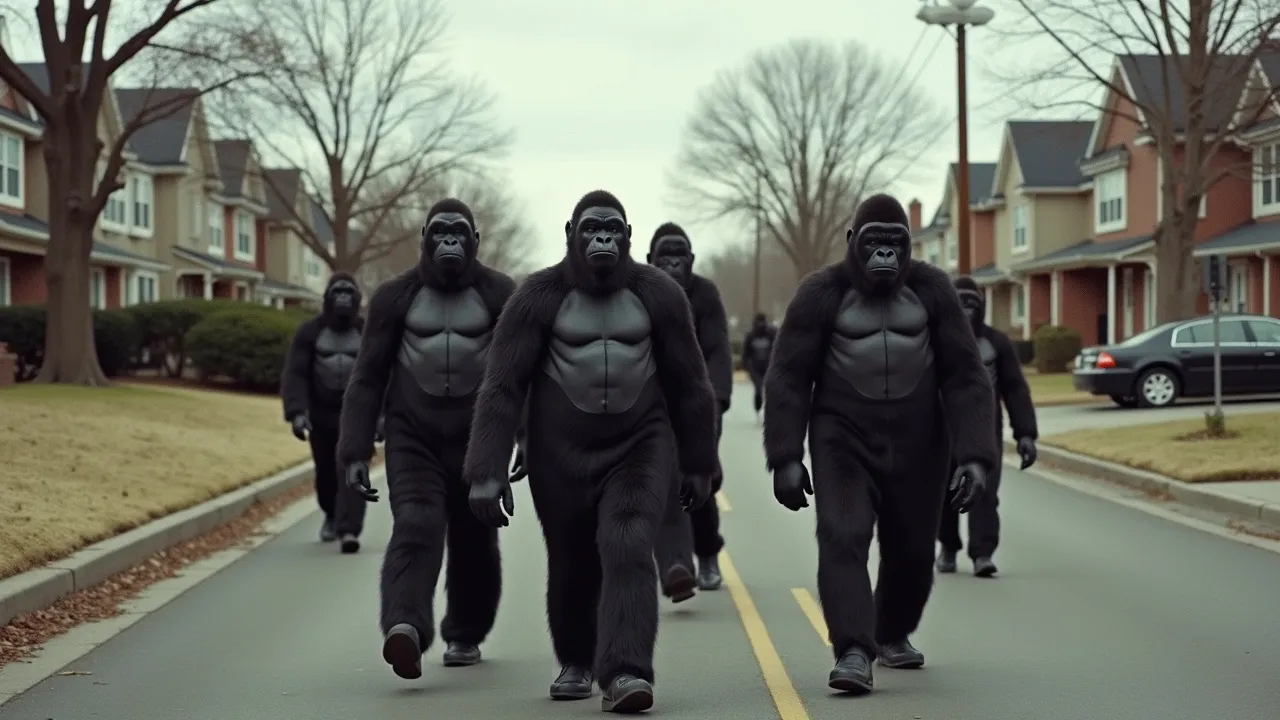
Gorilla Suit Day is celebrated annually on January 31st. It encourages people to wear gorilla costumes for fun, charity, or social commentary. The day originated in 1979 as a humorous antidote to winter blues and has since evolved into a global phenomenon.
The Historical Origins & Evolutionary Journey of Gorilla Suit Day
The Foundational Catalyst
Gorilla Suit Day was first conceived in 1979 by a small advertising agency in Portland, Oregon, as a whimsical marketing stunt for a local costume shop. The original event, called "The Great Gorilla Gala," invited residents to rent gorilla suits for a day and participate in a city-wide scavenger hunt. To the organizers' surprise, over 200 people showed up in full gorilla attire, and the event garnered local media attention. The success inspired the agency to declare January 31st as an annual observance, strategically placed in the depths of winter to inject levity into the gloomy season.
The Legislative/Official Adoption
While Gorilla Suit Day never achieved official governmental recognition, it gained unofficial status through grassroots adoption. In 1985, the event was featured in National Geographic as a quirky American tradition, which sparked international interest. By the early 1990s, gorilla suit parades were reported in the United Kingdom, Australia, and Japan. The day's non-commercial nature—encouraging homemade or rented costumes over mass-produced ones—helped it remain an organic, community-driven celebration. In 2001, the first "Global Gorilla Walk" was organized via early internet forums, with simultaneous events in 15 countries.
Modern Global Legacy
Today, Gorilla Suit Day is celebrated on all seven continents, including Antarctica (where research stations host indoor gorilla-themed parties). The day has evolved beyond mere costume play; it is often used for environmental fundraising (linking gorilla suits to great ape conservation) and social media challenges. Notably, the day retains its original spirit: a shared, playful escape from routine. Major brands occasionally sponsor events, but the core remains grassroots. In 2023, a viral TikTok trend saw millions of users posting gorilla dance videos, cementing the day's place in digital culture.
How to Celebrate Gorilla Suit Day
Individual Participation
Wear a Gorilla Suit: Don a full-body gorilla costume for the entire day, including during work, school, or errands. Many participants report increased social interactions and laughter.
Gorilla Walk: Take a stroll through a public park or downtown area in your suit. Some cities organize group walks to maximize visibility and fun.
Charity Actions: Use the day to raise funds for primate conservation. Create a donation page and ask friends to sponsor your gorilla suit antics.
School and Corporate Celebrations
Costume Contest: Hold a competition for the best gorilla suit (homemade, rented, or purchased). Categories can include "Most Realistic," "Funniest," and "Most Creative."
Gorilla-Themed Lessons: Educators can integrate lessons about great apes, including biology, habitat, and conservation. Use the costume as an engagement tool.
Office Gorilla Day: Encourage employees to work in gorilla suits. Provide a designated photo booth and share images on social media with the hashtag #GorillaSuitDay.
Global Traditions
Different regions have developed unique customs:
United Kingdom: The day often coincides with charity pub crawls, where participants in gorilla suits move from pub to pub collecting donations for wildlife organizations.
Japan: In Tokyo, a "Gorilla Parade" through Shibuya Crossing attracts hundreds of costumed participants and massive crowds.
Australia: Given the summer heat, many Australians celebrate with beach gorilla suit gatherings (with appropriate heat precautions) and surf lessons in costume.
Brazil: During the Brazilian summer, gorilla suit wearers join street parties (blocos) with samba music, creating a fusion of carnival and primate celebration.
Cultural Impact & Social Commentary
Gorilla Suit Day serves as a unique lens through which to examine human behavior and social norms. Psychologists have noted that wearing a full costume provides a form of anonymity that encourages playfulness and reduces social inhibitions. On a deeper level, the gorilla suit acts as a symbol of our shared animal nature and the thin boundary between civilization and wildness. The day has been referenced in popular culture, including episodes of The Simpsons and Community, as well as in literature exploring absurdism. Moreover, the use of gorilla imagery has sparked conversations about species representation and the ethics of using animals in entertainment. Some activists use the day to protest the use of real gorillas in circuses, promoting the costume as a humane alternative.
Environmental & Conservation Connections
While the day is primarily about fun, many participants leverage it for conservation education. Gorilla Suit Day occurs near the end of January, which is also Great Ape Awareness Month in some countries. Conservation organizations such as the Dian Fossey Gorilla Fund and the World Wildlife Fund have partnered with local event organizers to provide educational materials and donation drives. In 2018, a coordinated event raised over $500,000 for gorilla habitat protection. Some schools incorporate lessons about endangered species, and zoos offer discounted admission to visitors wearing gorilla suits. This connection has helped the day maintain relevance beyond its humorous origins.
Economic and Commercial Impact
The economic footprint of Gorilla Suit Day, while modest, is notable within the costume industry. January 31st is not traditionally a peak season for costume sales, but the day creates a spike in demand for gorilla suits and related accessories (e.g., banana props, gorilla head masks). Online retailers report a 30-50% increase in gorilla costume sales in the two weeks leading up to the day. Renting gorilla suits from costume shops also sees a surge. Additionally, bakeries and restaurants often offer gorilla-themed specials, such as "gorilla-sized" cupcakes or banana splits. The day has spawned a niche market for custom gorilla suits, including light-up suits for evening events and gorilla hoodies for milder weather participation.
Media Representation & Digital Evolution
Social media has transformed Gorilla Suit Day from a local curiosity into a global trend. Platforms like Instagram, TikTok, and Twitter are flooded with gorilla suit selfies, videos, and challenges each January 31st. The hashtag #GorillaSuitDay consistently trends in multiple countries. In 2022, a coordinated "Gorilla Dance-Off" challenge encouraged users to film themselves dancing in gorilla suits to a popular song, generating millions of views. Traditional media coverage has also grown: major news outlets run lighthearted features on the day, and some morning shows have on-air gorilla suit segments. This digital amplification ensures that even those who cannot participate in person can engage virtually.
Controversies and Criticisms
Despite its generally positive reception, Gorilla Suit Day has faced criticism. Some animal rights groups argue that using gorilla imagery, even in costume form, trivializes the plight of endangered great apes and may reinforce speciesist stereotypes. Others point out that poorly made synthetic gorilla suits contribute to plastic waste. In response, organizers encourage the use of eco-friendly or second-hand costumes and pair celebrations with conservation messaging. Additionally, some workplaces have banned gorilla suits due to safety concerns (e.g., obstructed vision) or professionalism. Nonetheless, the day's core principle—shared joy and community—has allowed it to endure and adapt.
Historical Timeline
First Gorilla Suit Day held in Portland, Oregon, organized by a local ad agency. Around 200 participants in gorilla costumes take part in a scavenger hunt.
National Geographic publishes a feature on Gorilla Suit Day, introducing the tradition to a global audience.
First international celebration: gorilla suit parades reported in London, Sydney, and Tokyo.
First 'Global Gorilla Walk' organized via internet, with simultaneous events in 15 countries across five continents.
Gorilla Suit Day gains official recognition on multiple online calendars. Charities begin coordinating fundraisers linked to the day.
Record fundraising year: over $500,000 raised for primate conservation through Gorilla Suit Day events worldwide.
TikTok viral trend: #GorillaSuitDay videos accumulate over 100 million views. Major brands like Nike unofficially join the celebration with gorilla-themed merchandise.