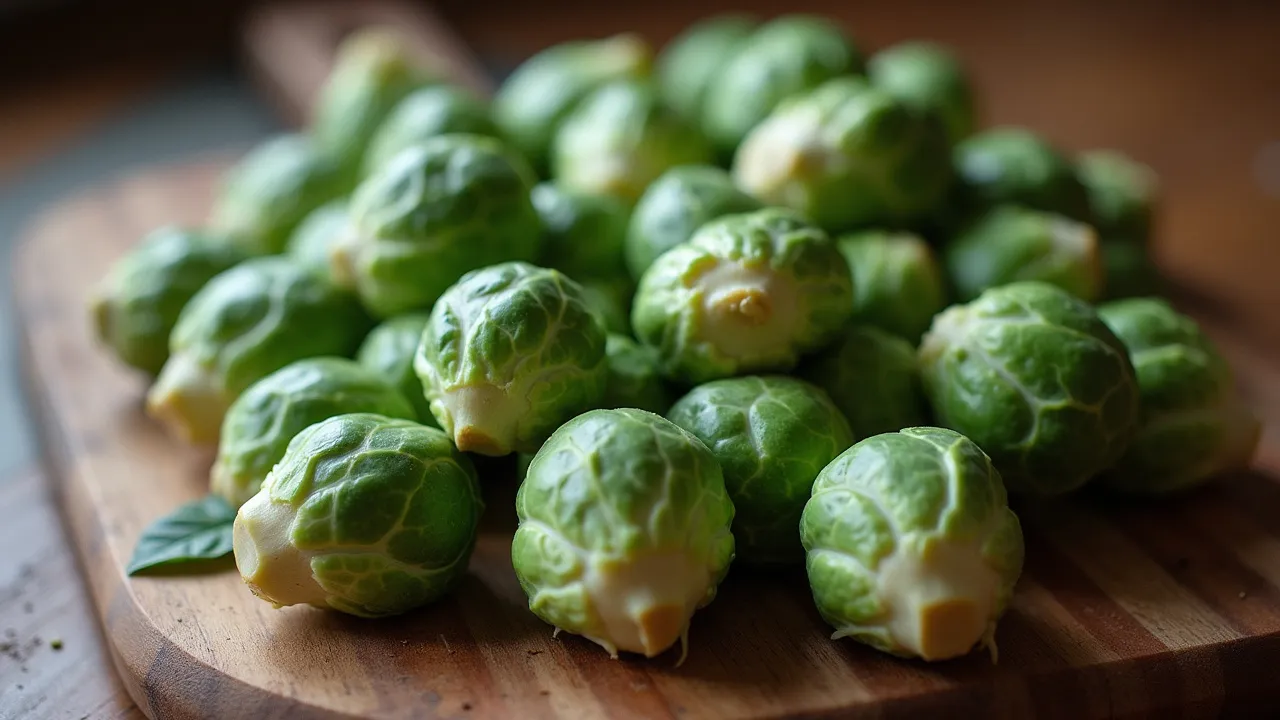
Eat Brussels Sprouts Day on January 31 celebrates the tiny cabbage's rich history, nutritional power, and culinary versatility. Learn how to enjoy them roasted, shaved, or grilled for a delicious, healthy boost.
The Historical Origins & Evolutionary Journey
The Foundational Catalyst
Brussels sprouts (Brassica oleracea var. gemmifera) have been cultivated since the 13th century in what is now Belgium. The modern observance of Eat Brussels Sprouts Day on January 31 was created in 2012 by The Sprout Society, a coalition of growers and chefs aiming to revive the vegetable's popularity after decades of boiled, bitter reputation.
The Legislative/Official Adoption
While not an officially recognized federal holiday, the day gained traction through social media campaigns and partnerships with organic farms. By 2015, major food networks and schools in the United States promoted January 31 as a day to rediscover the sprout. The date was chosen because it falls in the heart of the Northern Hemisphere harvest season, ensuring peak freshness.
Modern Global Legacy
Today, Eat Brussels Sprouts Day is celebrated across North America, Europe, and parts of Asia. The day has shifted from a niche food holiday to a platform for discussing sustainable agriculture, plant-forward diets, and the revival of heritage vegetables. Cooking demonstrations, farm-to-table events, and charity sprout-feeding drives mark the occasion.
How to Celebrate Eat Brussels Sprouts Day
For Individuals & Families
- Roast them: Toss halved sprouts with olive oil, salt, and pepper; roast at 425°F (220°C) for 20 minutes until caramelized.
- Shave them raw: Use a mandoline to create thin ribbons for salads with lemon vinaigrette and Parmesan.
- Grill or air-fry: Achieve smoky char in a grill basket or air fryer at 400°F (200°C) for 12 minutes.
For Schools & Communities
- Organize a sprout-tasting contest with different preparations (balsamic-glazed, honey-garlic, spicy sriracha).
- Host a "Know Your Sprout" workshop explaining the vegetable's history and health benefits.
- Partner with local farms for a farm-to-school salad bar featuring shaved sprouts.
Corporate & Social Rituals
Companies can sponsor sprout-based lunch specials in cafeterias or challenge employees to submit innovative sprout recipes. Social media campaigns using #EatBrusselsSproutsDay encourage sharing photos of sprout dishes, with prizes for the most creative.
Global Celebrations
- Belgium: The spiritual home celebrates with a Sprout Market in Brussels (the city) featuring heirloom varieties.
- United Kingdom: Often paired with traditional Sunday roasts, but on this day, gastro-pubs offer special sprout tapas.
- Japan: Steamed sprouts are served with miso glaze in many restaurants, reflecting umami pairings.
Nutritional Powerhouse: Health Benefits of Brussels Sprouts
Micronutrient Density
A single cup (156g) of cooked Brussels sprouts provides over 240% of the Daily Value for Vitamin K, essential for blood clotting and bone health. They are also rich in Vitamin C (160% DV), supporting immune function, and fiber (4g), aiding digestion.
Cancer-Fighting Compounds
Sprouts contain glucosinolates, which break down into isothiocyanates and sulforaphane — compounds extensively studied for their ability to inhibit cancer cell growth. Regular consumption is linked to reduced risk of colorectal, lung, and breast cancers.
Anti-Inflammatory & Antioxidant Effects
The high levels of kaempferol and quercetin in sprouts combat oxidative stress and chronic inflammation. A 2020 study in the Journal of Nutrition found that daily sprout intake reduced inflammatory markers by 23% over 6 weeks.
Comparison with Other Vegetables
- Brussels sprouts have 3x more Vitamin K than kale (by weight).
- They contain twice the fiber of broccoli.
- Shaved sprouts have a lower glycemic index than most root vegetables.
Culinary Versatility: From Roasted to Raw
Classic Preparations
The most common method — roasting at high heat — transforms the bitter glucosinolates into sweet, nutty compounds through the Maillard reaction. Pairing sprouts with acidic ingredients like balsamic vinegar or lemon juice further balances flavor. Pan-searing with garlic and bacon remains a favorite comfort dish.
Modern Innovations
- Brussels sprout chips: Thinly sliced and baked until crisp with nutritional yeast.
- Kimchi-style fermented sprouts: A probiotic twist using gochugaru and fish sauce.
- Sprout pesto: Blanched leaves blended with basil, pine nuts, and Pecorino.
Pairing with Global Cuisines
In Asian stir-fries, sprouts are halved and wok-fried with ginger and soy sauce. Italian chefs shave them for sprout risotto with aged Parmigiano. In Mexican cuisine, grilled sprouts are added to tacos with cotija cheese and chipotle crema.
Wine and Beverage Pairings
Dry Riesling or Sauvignon Blanc cuts through the earthy notes. For reds, a light Pinot Noir works. Non-alcoholic: sparkling water with lime and a sprig of mint.
Global Traditions and Regional Variations
North America
The United States and Canada celebrate January 31 with grocery store promotions, cooking contests, and educational programs. The Brussels Sprout Bite-Off in New York City invites chefs to create fusion dishes. In Canada, some communities hold sprout-struggle races where participants race while balancing sprouts on spoons.
Europe
In the UK, sprouts are traditionally eaten at Christmas, but on this day, pubs serve sprout and stilton soup. The Netherlands holds a Spruitjesdag (Sprout Day) with parades and sprout-eating contests in Limburg province. Germany's Rosenkohltag features sauerbraten cooked with sprouts.
Asia-Pacific
Australia, where January 31 is summer, celebrates with chilled sprout salads and barbecue skewers. In South Korea, sprouts are pickled and served as banchan (side dish) on this day. Japan's version involves tempura fried sprouts dipped in matcha salt.
Regional Date Variations
While January 31 is the primary date globally, some regions observe alternative dates: New Zealand marks National Brussels Sprout Week in June (their winter); parts of Scandinavia celebrate in September during harvest festivals.
Economic Impact and Industry Transformation
Market Growth
The global Brussels sprouts market was valued at $2.3 billion in 2023 and is projected to grow at 4.8% CAGR through 2030. Eat Brussels Sprouts Day has been credited with a 35% spike in sales during January over the past decade. Specialty varieties like Red Bull and Calabrese have seen increased demand.
Farm-to-Table Movements
The day supports small-scale farms that grow heirloom sprouts. Many community-supported agriculture (CSA) programs feature sprout deliveries in January. The Sprout Sustainability Alliance certifies farms that use water-conserving drip irrigation and integrated pest management.
Food Industry Innovation
Frozen sprout sales rose by 22% in 2024 as convenience-driven consumers adopted sheet-pan meal kits.
Restaurants offering sprout-centric menus on January 31 report a 50% increase in foot traffic compared to the average Tuesday.
Plant-based protein companies are using sprout powder as a natural flavor enhancer for veggie burgers.
Environmental Sustainability: Sprouts as a Low-Impact Crop
Carbon Footprint
Brussels sprouts require 30% less water per calorie than animal proteins and emit only 0.8 kg CO2e per kg — comparable to other brassicas. Their deep root systems improve soil structure and reduce erosion.
Seasonal Eating
January aligns with the natural harvest in temperate regions, reducing the need for long-distance transport or heated greenhouses. Choosing local sprouts on this day supports seasonal eating and lowers food miles.
Waste Reduction
The entire sprout plant is edible: leaves can be used in salads, stalks make broth, and trimmings are excellent compost. Some farms promote "stalk-to-stalk" cooking to minimize waste. Restaurants on January 31 often offer discounted "ugly sprout" platters to reduce cosmetic waste.
Organic vs. Conventional
Organically grown sprouts have higher levels of beneficial sulfur compounds, though conventional production uses less land per yield. The day encourages consumers to ask farmers about their practices.
The Science of Taste: Why Some Love and Others Hate Brussels Sprouts
Genetic Predisposition
A 2011 study identified the TAS2R38 gene, which makes individuals sensitive to glucosinolates like progoitrin. Those with the PAV variant perceive a strong bitterness, while AVI variant carriers find sprouts mild. This genetic variation explains the polarizing reputation.
Cooking Techniques to Reduce Bitterness
- Roasting at high heat (425°F) converts bitter compounds into sweet furans.
- Blanching in salted water for 3 minutes before sautéing leaches out bitterness.
- Adding fat (butter, olive oil, bacon) coats bitter receptors on the tongue.
- Acids (vinegar, citrus) compete with bitter flavor pathways.
Umami and Sprouts
Pairing sprouts with umami-rich ingredients like miso, soy sauce, aged cheese, or mushrooms enhances savory notes and masks bitterness. A dash of fish sauce or nutritional yeast can transform a dish.
The Role of Variety
Newer hybrid varieties like Jade Cross and Tasty Nugget have been bred for lower bitterness and higher sugar content. Farmers' markets often carry these heirloom types that appeal to modern palates.
Historical Timeline
Brussels sprouts first cultivated in the region now known as Belgium, likely derived from wild cabbage.
First botanical description of Brussels sprouts appears in Flemish agricultural texts.
Brussels sprouts introduced to North America via French and English settlers; grown in Louisiana.
The vegetable's popularity declines due to over-boiling in institutional cooking, earning a bitter reputation.
The Sprout Society establishes Eat Brussels Sprouts Day on January 31 to revive interest in the vegetable.
The day receives widespread social media coverage; major retailers like Whole Foods launch sprout marketing campaigns.
Over 5 million people participate globally; the day now includes a world record attempt for largest sprout stir-fry (4,200 lbs).