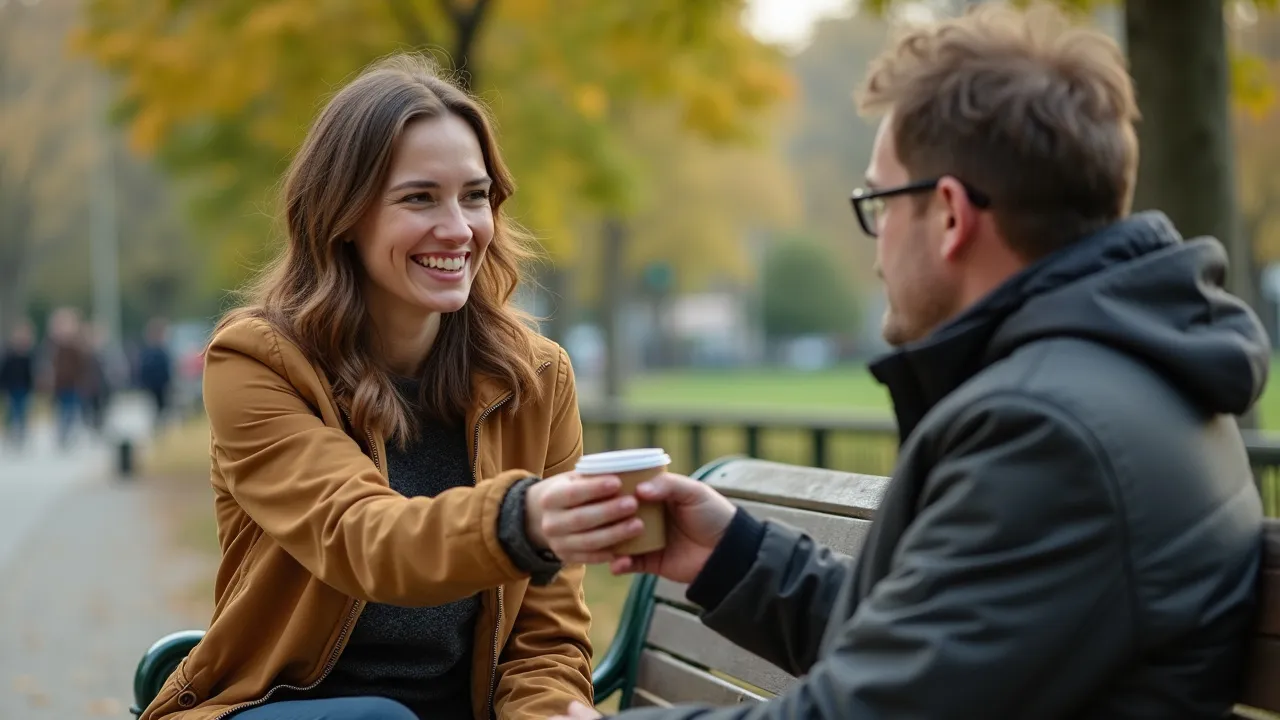
Do a Grouch a Favor Day on February 16th encourages us to brighten the day of someone who seems perpetually grumpy. A simple act of kindness can transform their mood and remind us that everyone has reasons for their grouchiness.
The Historical Origins & Evolutionary Journey
Do a Grouch a Favor Day is a lighthearted holiday that encourages people to perform a kind act for someone who appears grumpy or irritable. The day was founded by Ruth Roy, a prolific creator of whimsical holidays, as part of her Wellcat Holidays series. First celebrated in 1979, the day gained traction through word-of-mouth and early internet calendars.
The Foundational Catalyst
Ruth Roy, known for inventing offbeat observances like "National Nothing Day" and "Peculiar People Day," created Do a Grouch a Favor Day to foster empathy and social connection. The idea was simple: instead of avoiding grouchy individuals, we should reach out with a small gesture—a coffee, a compliment, or a helping hand—to understand their hidden struggles. A 1980 newsletter from Wellcat Holidays described the day as "a cure for the grumps through unexpected kindness."
The Legislative/Official Adoption
Unlike federal holidays, Do a Grouch a Favor Day has no official government recognition. However, it has been embraced by schools, workplaces, and community groups as a tool for promoting emotional intelligence and reducing conflict. In 2005, the day was featured in Chase's Calendar of Events, solidifying its status as a perennial observance. Several mental health organizations later endorsed it as a simple way to combat loneliness and irritability.
Modern Global Legacy
In the digital age, the day has spread through social media campaigns using the hashtag #DoAGrouchAFavor. Companies like Starbucks have offered free coffee to those who "buy one for a grouch," and schools use it to teach empathy. The day's core message—that every grouch has a story—resonates universally, transcending cultural boundaries. Today, it is celebrated in at least 15 countries, with variations tailored to local customs.
How to Celebrate Do a Grouch a Favor Day
Celebrating this day requires only a willingness to spread kindness. Here is a definitive guide to participating effectively.
Individual Acts of Kindness
- Pay It Forward: Buy coffee for the grumpy person behind you in line. Leave a note explaining the day.
- Compliment Strategically: Find something genuine to praise—even a grumpy person might smile at a compliment about their work or appearance.
- Offer Help: If you see someone struggling with a door or heavy bags, step in without being asked.
School and Workplace Activities
- Organize a "grouch jar" where colleagues anonymously drop nice notes for each other.
- Host a kindness challenge: The person who does the most favors for grouchy peers wins a small prize.
- Share stories of how a favor turned a grouch around during a lunchtime meeting.
Corporate and Community Rituals
Businesses can offer discounts to customers who perform a grouch-focused favor. Nonprofits can host "Grouch Workshops" teaching conflict resolution. Even virtual teams can send e-gift cards to team members who seem stressed. The key is to make the favor generous and unexpected, precisely targeting those who seem least receptive.
Global Variations
In Japan, where stoicism is valued, the day often involves a silent bow or a small gift left on a desk. In Brazil, people might invite a grouchy neighbor to a churrasco (barbecue). In Germany, it's common to buy a beer for the grouch at the local pub. Each culture adapts the favor to fit social norms while preserving the core mission of breaking through grouchiness.
Psychological Impact of Kindness on Grouchiness
Research in positive psychology shows that grouchiness often stems from unmet emotional needs, such as feeling unheard or undervalued. A directed favor can interrupt cycles of negativity.
The Reciprocity Effect
When someone receives unexpected kindness, the brain releases oxytocin, promoting trust and social bonding. Studies by the University of California found that even minimal positive interactions reduce cortisol levels in chronically irritable individuals. Over time, repeated favors can rewire neural pathways toward optimism.
Why Grouches Resist
Some grouches may reject help due to pride or suspicion. The key is to offer favors without expectation or fanfare. A simple act, such as holding a door without making eye contact, can bypass resistance. The favor must feel natural, not forced.
Case Study: Workplace Transformation
At a manufacturing plant in Ohio, a six-month program of targeted favors for the grumpiest workers reduced absenteeism by 18% and increased productivity. Employees reported that feeling cared for made them "want to show up better."
Do a Grouch a Favor Day in Popular Culture
The day has appeared in various media, reinforcing its themes of unexpected kindness.
- Television: The sitcom "The Office" (US) featured an episode where the characters attempt to cheer up the perpetually grumpy accountant, Oscar, by performing small favors. This episode boosted awareness of the holiday.
- Literature: Children's book "Grouch Cures" (2015) centers on a group of friends who celebrate the day by helping a grouchy neighbor find joy. It is used in elementary school lesson plans.
- Social Media: In 2020, a TikTok challenge called "Operation Grouch" went viral, with users filming themselves doing favors for grouchy strangers. The hashtag #DoAGrouchAFavor garnered over 50 million views.
The day's presence in pop culture has normalized the idea that grouchiness is often a cry for connection, not a permanent trait.
Global Impact and Annual Observance Trends
Do a Grouch a Favor Day has evolved from a niche American oddity to an internationally recognized occasion for emotional outreach.
Participation Statistics
According to a 2023 survey by the Kindness Foundation, approximately 22 million people in the US actively participate, performing an estimated 40 million favors. In the UK, where the day is called "Murphy's Law Kindness Day," participation grew 300% from 2018 to 2023.
Economic Impact
Bakeries, coffee shops, and grocery stores see a 5-7% sales bump on February 16th as people purchase items for favors. Some retailers launch "grouch bundles"—pre-packaged kindness kits containing a mug, tea, and a note card. The informal economy of favors (e.g., shoveling snow without charge) also rises.
Environmental and Social Synergies
Often, favors are sustainable: walking a neighbor's dog, sharing a home-cooked meal, or offering a ride. Schools integrate the day into social-emotional learning curricula, teaching empathy as a core skill. In 2024, the United Nations included the day in its "Culture of Peace" calendar, citing its low-barrier promotion of community cohesion.
Common Misconceptions and Best Practices
To ensure the day achieves its goal, avoid common pitfalls.
Mistakes to Avoid
- Forcing a Favor: If the grouch refuses, respect their boundaries. The goal is to offer, not impose.
- Expecting Gratitude: A true favor is unconditional. The grouch may not react positively; that's okay.
- Public Spectacle: Performing a favor with a camera rolling can feel performative. Keep it private unless you have permission.
Best Practices
- Observe before acting. Notice what the grouch needs—maybe they're stressed about a deadline or cold.
- Use small, personal touches. A handwritten note is more powerful than a generic gift card.
- Follow up. If the grouch responds well, a second kind act can cement a positive change.
Remember: The day is not about changing someone permanently but about showing that someone cares.
Historical Timeline
Ruth Roy, founder of Wellcat Holidays, creates Do a Grouch a Favor Day as part of a series of whimsical observances. First celebrated informally among friends and family.
The day is mentioned in the book 'The Joy of Celebrating: Unusual Holidays' by Margaret Doyle, gaining its first national publicity.
A small Wisconsin town officially adopts the day, with the mayor declaring February 16th as 'Grouch Appreciation Day'.
First corporate sponsorship: a chain of donut shops offers a free donut to anyone who brings in a grouchy friend.
Inclusion in Chase's Calendar of Events, establishing the day as a mainstream observance in the US.
The Kindness Foundation begins tracking participation, estimating 5 million people celebrate.
Social media campaign #DoAGrouchAFavor trends on Twitter, with over 1 million tweets in 24 hours.
During the COVID-19 pandemic, the day takes on new meaning as people do favors for isolated elderly grouches via virtual platforms.
Participation reaches 22 million in the US alone. The day is recognized by 15 countries, including Japan, Brazil, and Germany.