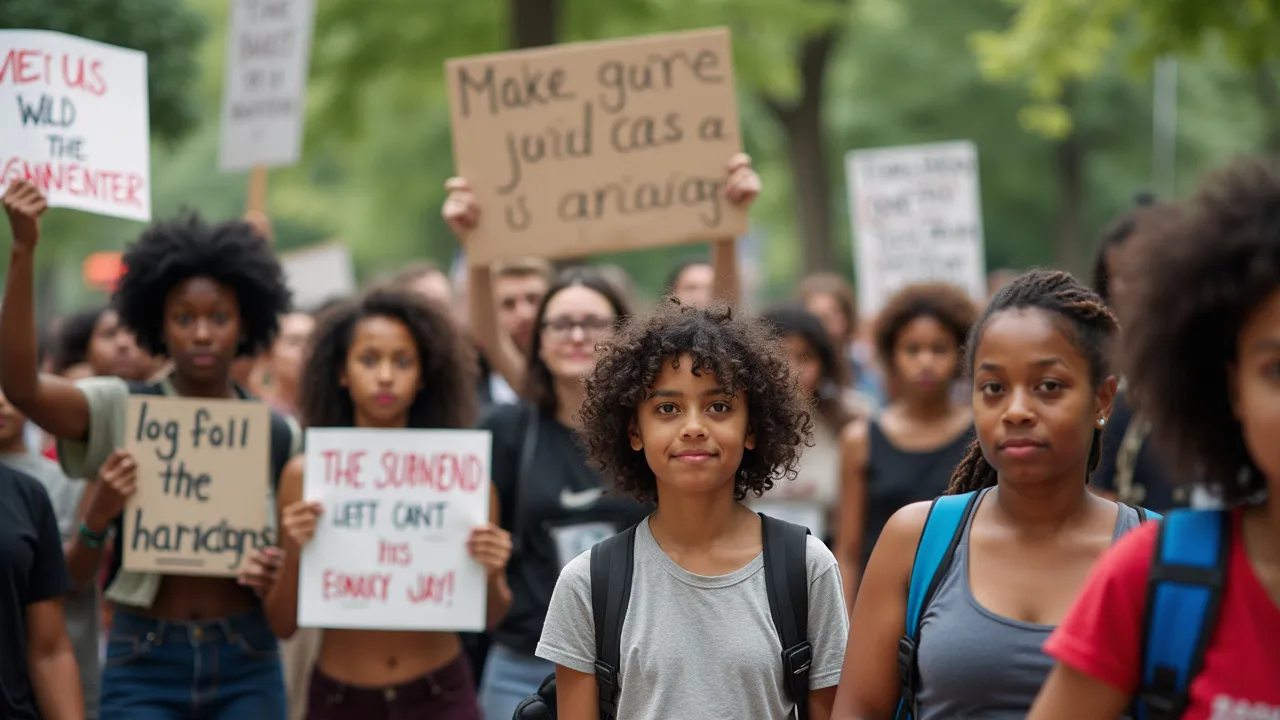
Observed on February 20th annually, the World Day of Social Justice highlights the global need for fair opportunities, equal rights, and inclusive societies. Established by the UN in 2007, it calls on individuals and organizations to fight poverty, exclusion, and discrimination.
The Historical Origins & Evolutionary Journey
The World Day of Social Justice, observed each year on February 20th, is a United Nations-designated day aimed at promoting social justice, equality, and respect for human rights. Its roots trace back to the 1995 World Summit for Social Development in Copenhagen, where global leaders committed to eradicating poverty and fostering social integration.
The Foundational Catalyst
The Copenhagen Declaration laid groundwork for international cooperation on social issues. However, it took over a decade of advocacy to establish a dedicated day. In 2007, the UN General Assembly adopted resolution 62/10, proclaiming February 20th as the World Day of Social Justice. The first official celebration occurred in 2009.
The Legislative/Official Adoption
Key milestones include:
- 1995 – Copenhagen Summit: 117 heads of state pledge to reduce poverty and create inclusive societies.
- 2007 – UN Resolution 62/10: Formal adoption of the day.
- 2009 – First observance with theme "Social Justice and Decent Work."
Modern Global Legacy
Today, the day mobilizes governments, NGOs, and citizens to address structural inequalities. Themes have evolved to include migration, gender equality, and climate justice. The COVID-19 pandemic underscored the urgency of social protection systems, making the day more relevant than ever.
How to Celebrate World Day of Social Justice
Participation can take many forms, from individual acts to community-wide initiatives. Below are actionable strategies for different groups.
For Individuals
- Educate yourself about systemic inequalities through books, documentaries, and online courses.
- Volunteer with local organizations championing fair wages, food justice, or legal aid.
- Use social media to amplify stories of injustice and share UN resources using #SocialJusticeDay.
For Schools and Universities
- Host panel discussions with activists and policy experts.
- Organize essay or art contests on themes like equality and inclusion.
- Integrate social justice topics into curricula for the week.
For Businesses and Organizations
- Review internal policies for pay equity, diversity hiring, and supply chain ethics.
- Launch employee resource groups and training on unconscious bias.
- Publicly commit to the UN's Sustainable Development Goals, especially SDG 10 (Reduced Inequalities).
In Brazil, community groups hold street fairs with cultural performances. In India, NGOs conduct workshops on workers' rights. In South Africa, marches highlight land reform. Adapt traditions to local contexts while centering on dignity and fairness.
Core Themes of Social Justice
Social justice encompasses several interconnected pillars. Understanding these helps frame the day's significance.
Economic Justice
Fair wages, decent work conditions, and social protection floors. Over 600 million workers globally live in extreme poverty ($1.90/day). The day calls for living wages and universal social security.
Gender Equality
Women earn 20% less than men on average and face higher unpaid care burdens. February 20th highlights closing the gender gap in leadership and pay.
Racial and Ethnic Equity
Systemic racism persists in housing, education, and criminal justice. The day encourages policies that dismantle discrimination and promote reparative justice.
Environmental Justice
Climate change disproportionately impacts marginalized communities. Social justice now includes just transition to green economies.
These themes are captured under the UN Sustainable Development Goal 10 (Reduced Inequalities) and Goal 1 (No Poverty).
Global Impact and Challenges
The World Day of Social Justice serves as an annual barometer of progress. While some gains exist—such as expanding social protection in Latin America—huge gaps remain.
Progress Made
- Global extreme poverty fell from 36% in 1990 to 8.6% in 2018, though COVID-19 reversed trends.
- More countries have ratified ILO conventions on labor rights.
- Social justice is now a priority in UN development frameworks.
Persistent Challenges
- Income inequality: The richest 10% earn 52% of global income.
- Child labor affects 160 million children.
- Over 4 billion people lack social protection coverage.
Each year's theme—like "Overcoming Barriers and Unleashing Opportunities"—targets specific obstacles. The day mobilizes funding for grassroots projects and pressures governments to adopt inclusive laws.
Role of Organizations in Advancing Social Justice
Beyond individuals, institutions bear responsibility for structural change. On February 20th, many entities announce new commitments.
International Bodies
The United Nations leads campaigns and releases reports. The International Labour Organization (ILO) links the day to Decent Work Agenda. UNESCO emphasizes inclusive education.
Non-Governmental Organizations
Oxfam, Amnesty International, and others organize webinars and petition drives. Local grassroots groups often host community dialogues.
Corporate Sector
Companies like Patagonia and Ben & Jerry's use the day to highlight supplychain ethics. Others audit pay equity and release diversity reports.
To maximize impact, collaboration between sectors is essential. The day serves as a catalyst for partnerships that can last year-round.
Future Outlook: Emerging Issues
Social justice challenges evolve with technology, climate change, and geopolitical shifts. Future observances will need to address:
- Digital Divide: 2.7 billion people lack internet access, exacerbating inequality in education and jobs.
- Automation and AI: Job displacement threatens low-skilled workers; universal basic income debates.
- Climate Migration: By 2050, 200 million people may move due to climate effects, demanding justice in relocation policies.
- Health Inequities: The pandemic highlighted gaps in healthcare access; future themes may stress universal health coverage.
The World Day of Social Justice must remain adaptive, harnessing global solidarity to tackle these issues. Public engagement and political will are critical to turn February 20th into a day of tangible action.
Historical Timeline
World Summit for Social Development in Copenhagen: 117 heads of state commit to eradicating poverty and promoting social integration, laying the foundation for a dedicated day.
United Nations General Assembly adopts Resolution 62/10, proclaiming February 20th as the World Day of Social Justice, to be observed starting in 2009.
First official World Day of Social Justice observed with the theme 'Social Justice and Decent Work'.
Theme 'Social Justice and the Post-2015 Development Agenda' links the day to the emerging Sustainable Development Goals.
Focus on 'If You Want Peace & Development, Work for Social Justice' emphasizing the link between justice and stability.
Theme 'A Call for Social Justice in the Digital Economy' addresses inequalities in technology access and online labor platforms.
Theme 'Bridging Gaps, Building Alliances' highlights partnerships to overcome systemic barriers.