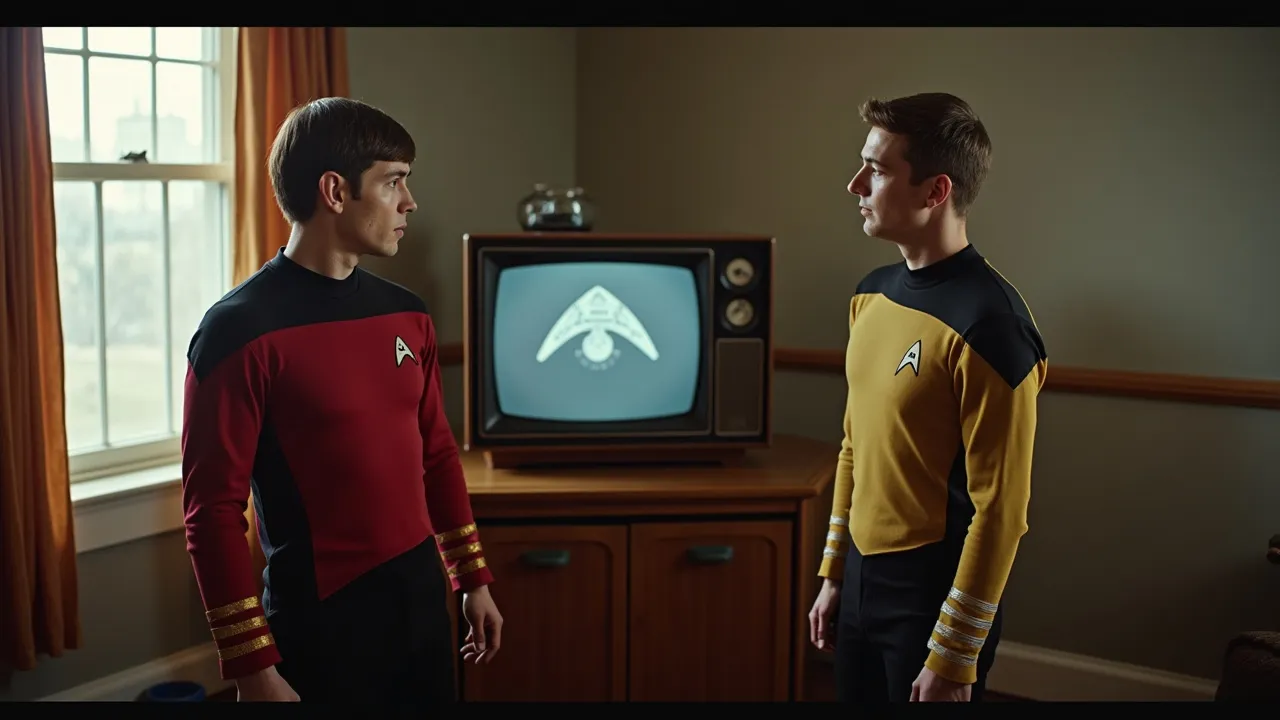
Star Trek Day, observed annually on September 8th, commemorates the debut of the original Star Trek series in 1966. It celebrates the franchise's enduring legacy of exploration, diversity, and optimism for the future.
The Historical Origins & Evolutionary Journey
Star Trek Day, celebrated on September 8th each year, marks the anniversary of the first broadcast of the original Star Trek series on NBC in 1966. Created by Gene Roddenberry, the show presented a utopian vision of humanity's future, where diverse crews explore the galaxy aboard starships like the USS Enterprise. The day has evolved from a fan-led celebration into a global recognition of the franchise's impact.
The Foundational Catalyst
The original series, though initially low-rated, developed a passionate fanbase that campaigned for its continuation after NBC canceled it in 1969. This grassroots movement was one of the first organized fan efforts to save a television show. Roddenberry's vision of a post-scarcity society, where humanity had overcome poverty and war, resonated deeply during the Cold War era. The show's multicultural cast, including African American actress Nichelle Nichols as Lieutenant Uhura and Japanese-American actor George Takei as Sulu, broke racial barriers on television.
The Legislative/Official Adoption
Over the decades, Star Trek Day gained official recognition through fan initiatives and local proclamations. In 2006, the city of Los Angeles declared September 8th as Star Trek Day to honor the franchise's contributions to entertainment and technology. Several states and countries have since followed suit. While not a federal holiday, it is widely observed online and at conventions, often featuring marathons, charity events, and educational programs.
Modern Global Legacy
Today, Star Trek Day is celebrated across the globe with watch parties, cosplay contests, and discussions about the franchise's themes. The day also highlights the real-world scientific advancements inspired by Star Trek, including cell phones, tablet computers, and voice-activated interfaces. Paramount Global and CBS often host official events, such as exclusive screenings and panel discussions with cast and creators. The day serves as a reminder of the franchise's enduring message: "To boldly go where no one has gone before."
How to Celebrate Star Trek Day
Whether you are a lifelong fan or new to the universe, Star Trek Day offers numerous ways to engage with the franchise. Below are actionable ideas for individuals, schools, and organizations to celebrate this iconic day.
Individual and Family Celebrations
- Watch a Marathon: Stream episodes from the original series, The Next Generation, or newer shows like Strange New Worlds. Many platforms offer curated playlists for the day.
- Host a Themed Party: Encourage guests to cosplay as their favorite characters. Serve "replicated" snacks like Romulan ale or Klingon gagh (within reason).
- Engage in Trivia: Organize a quiz about starship classes, alien species, or famous quotes. Platforms like Sporcle have ready-made quizzes.
- Visit a Museum: Many science museums have Star Trek exhibits. The Smithsonian's National Air and Space Museum in Washington, D.C., houses the original USS Enterprise studio model.
School and Educational Activities
- STEM Workshops: Discuss how Star Trek predicted technologies like communicators (phones) and tricorders (medical scanners). Have students design their own futuristic gadget.
- Ethics Discussions: Use episodes like "The City on the Edge of Forever" to explore moral dilemmas. The Prime Directive is a great topic for debating non-interference.
- Creative Writing: Ask students to write a captain's log or a short story set in the Star Trek universe.
Corporate and Organizational Participation
- Charity Drives: Many fan groups organize food or blood drives on Star Trek Day, aligning with the franchise's humanitarian values.
- Team-Building Events: Companies can host a Star Trek-themed escape room or a collaborative problem-solving session inspired by the USS Enterprise bridge.
Global Variations
- United States: Paramount often releases exclusive merchandise or discounts on streaming services. Fan conventions like Dragon Con and Star Trek Las Vegas host special panels.
- United Kingdom: The BBC sometimes broadcasts classic episodes, and local fan clubs organize pub quizzes.
- Japan: Star Trek has a dedicated following; events include screenings at the Star Trek Café in Tokyo and cosplay gatherings in Akihabara.
- Germany: German fans celebrate with Trekkie meetups and often watch dubbed versions of the series.
- Online Communities: Social media trends like #StarTrekDay see fans sharing artwork, tattoos, and memories throughout the day.
Cultural and Societal Impact of Star Trek
Star Trek has profoundly influenced global culture, from language to social norms. The franchise introduced concepts like "beam me up" and "resistance is futile" into everyday vocabulary. It also pioneered on-screen diversity, featuring a multiracial, multinational crew at a time when racial tensions were high. The first interracial kiss on American television occurred between Captain Kirk and Lieutenant Uhura in 1968, a bold statement for civil rights.
Beyond representation, Star Trek inspired generations of scientists and engineers. NASA astronauts have cited the show as a motivation, and many real-world inventions trace their conceptual roots to the series. The communicator influenced the flip phone, the tricorder inspired medical diagnostic devices, and the tablet computer resembles the PADD used by Enterprise officers.
The franchise also shaped philosophical thought, grappling with issues like war, morality, and artificial intelligence. The Prime Directive—a rule forbidding interference in less advanced cultures—remains a touchstone for discussions about exploration and ethics. Today, Star Trek's vision of a peaceful, united humanity continues to inspire movements for social justice and global cooperation.
Star Trek's Vision of Future Technology
Star Trek is renowned for predicting technologies decades before they became reality. The show's writers collaborated with scientists to envision plausible innovations, many of which have since been realized or are in development.
Communication Innovations
- Communicators: The handheld devices used by landing parties directly anticipated modern smartphones and flip phones. Martin Cooper, inventor of the first handheld mobile phone, credited Star Trek as an inspiration.
- Universal Translator: Real-time translation software like Google Translate mirrors the UT, though less seamlessly.
Medical Technologies
- Medical Tricorder: Devices like the Scanadu and DxtER aim to diagnose conditions by scanning vital signs, reminiscent of Dr. McCoy's tools.
- Hypospray: Needle-free injection systems are now used for certain vaccines, reducing pain and needle phobia.
Space Exploration
- Warp Drive: While still theoretical, research into Alcubierre drives and exotic matter continues. NASA has investigated the possibilities of faster-than-light travel.
- Replicators: 3D printing and food synthesis technologies echo the replicator's ability to create objects and meals on demand.
Star Trek's influence extends to user interfaces, with touchscreens and voice commands now standard. The franchise's commitment to scientific accuracy has made it a beloved reference for engineers and inventors. As technology advances, Star Trek remains a benchmark for what the future could hold.
Star Trek's Pioneering Role in Diversity and Inclusion
From its inception, Star Trek broke television norms by presenting a diverse, inclusive vision of the future. The original series featured a black woman (Uhura) and an Asian man (Sulu) as senior officers, while episodes addressed racism and prejudice. This commitment to representation expanded in subsequent series.
Groundbreaking Moments
- First Interracial Kiss (1968): The episode "Plato's Stepchildren" featured a kiss between Captain Kirk and Lieutenant Uhura, which was initially controversial but became a landmark for civil rights.
- LGBTQ+ Representation: Star Trek: Discovery introduced the franchise's first gay couple (Stamets and Culber), and Star Trek: Picard featured a non-binary character (Gray) and an LGBTQ+ relationship (Seven of Nine and Raffi).
- Strong Female Characters: From Lieutenant Uhura to Captain Janeway and Commander Burnham, women have led crew members and confronted sexism within the narrative.
Cultural Impact
Star Trek's inclusive casting inspired real-world diversity in STEM and the arts. Nichelle Nichols, after leaving the show, worked with NASA to recruit minority astronauts, including Dr. Mae Jemison, the first African American woman in space. The franchise continues to push boundaries, with characters of different abilities, cultures, and backgrounds represented. Star Trek Day serves as a reminder that humanity's future is brightest when everyone is included.
The Future of Star Trek and Its Fandom
Star Trek remains a vibrant franchise with new series, films, and interactive experiences. Star Trek: Strange New Worlds (2022) returned to episodic storytelling, while Star Trek: Prodigy introduced the universe to younger audiences. Upcoming projects include a prequel film and additional series on Paramount+. The fandom, known as Trekkies or Trekkers, continues to grow globally.
Modern Fandom Activities
- Virtual Conventions: Events like Star Trek: Mission Chicago and online panels allow fans to interact with cast and creators from anywhere.
- Fan Films and Podcasts: Ambitious projects like Star Trek: Continues and numerous podcasts dissect episodes and expand lore.
- Charity Work: Clubs like the USS John A. MacDougall (a chapter of Starfleet International) organize food drives and blood donations on Star Trek Day.
Star Trek Day itself has become a platform for announcements, such as new series reveals or exclusive behind-the-scenes content. As the franchise approaches its 60th anniversary in 2026, the celebration is likely to grow even larger. The enduring power of Star Trek lies in its message: humanity can overcome its divisions and reach for the stars.
Historical Timeline
The original Star Trek series premieres on NBC on September 8, introducing the USS Enterprise and a diverse crew.
The episode 'Plato's Stepchildren' airs, featuring the first interracial kiss on American television between Kirk and Uhura.
The original series ends after three seasons, but fan campaigns keep the franchise alive through syndication.
Star Trek: The Motion Picture is released, reviving the franchise for a new generation.
Star Trek: The Next Generation premieres, setting new standards for television science fiction.
Star Trek: Deep Space Nine debuts, exploring a more complex, serialized narrative.
Star Trek: Voyager premieres with the first female captain, Kathryn Janeway.
Enterprise (later Star Trek: Enterprise) launches as a prequel to the original series.
J.J. Abrams' Star Trek reboot film reimagines the original crew, attracting new fans.
Star Trek: Discovery premieres, bringing modern storytelling and diverse representation to the franchise.
Star Trek: Picard debuts, starring Patrick Stewart as the iconic captain in his later years.
Star Trek: Strange New Worlds begins, returning to episodic adventures with the original Enterprise crew.