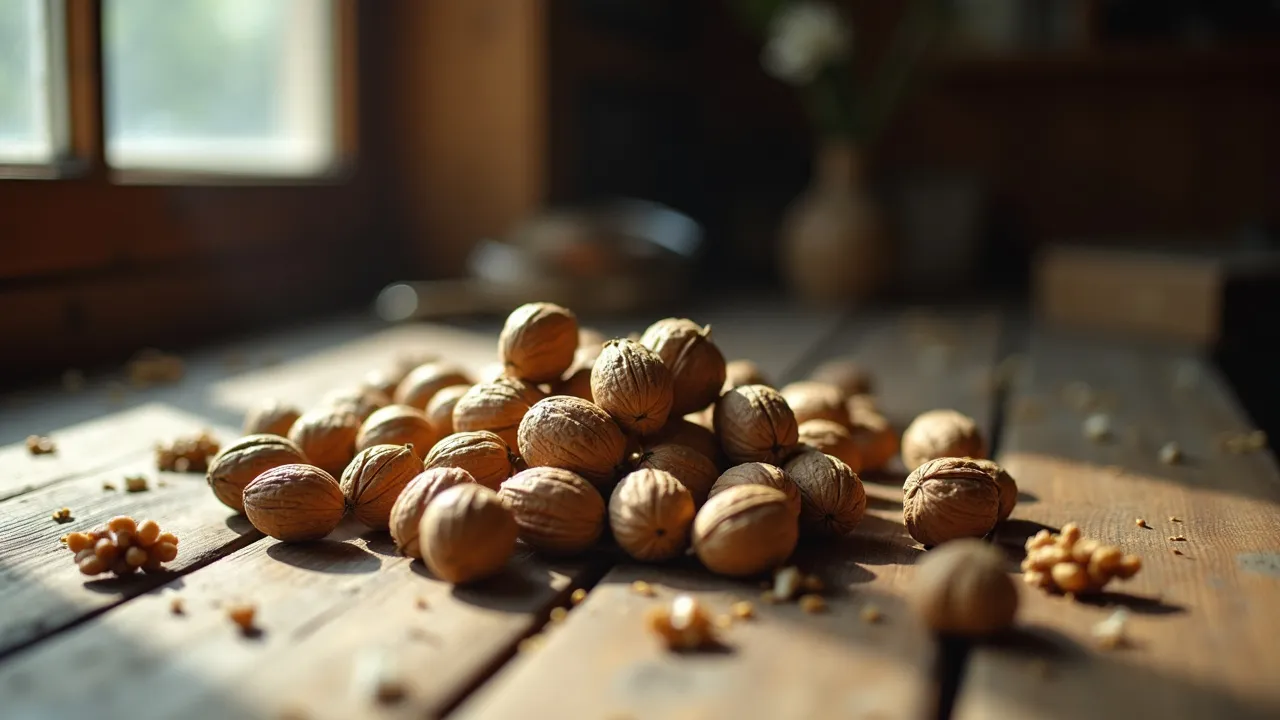
Celebrated annually on May 17th, National Walnut Day honors the versatile, nutrient-rich walnut. Discover its ancient origins, health benefits, culinary uses, and global significance in this comprehensive guide.
The Historical Origins & Evolutionary Journey
National Walnut Day, observed annually on May 17th, traces its roots to the mid-20th century when the walnut industry sought to highlight the nut's nutritional and economic importance. The day was first established in 1949 by the Walnut Marketing Board (now California Walnuts) to promote consumption and educate the public about the walnut's benefits.
The Foundational Catalyst
Walnuts have been a dietary staple for thousands of years. Archaeological evidence suggests walnuts were consumed in ancient Persia (modern-day Iran) as early as 7000 BCE. They were prized by royalty and commoners alike for their rich flavor and long shelf life. The English walnut (Juglans regia) spread along the Silk Road, reaching Europe and eventually the Americas. By the 18th century, Franciscan monks planted walnut trees in California, setting the stage for the state's dominance in walnut production.
The Legislative/Official Adoption
In 1949, the Walnut Marketing Board, a federal marketing order established under the Agricultural Marketing Agreement Act, officially designated May 17th as National Walnut Day. The date was chosen to coincide with the peak of walnut blooming in California, symbolizing growth and abundance. The day was promoted through radio, print ads, and in-store displays, encouraging Americans to incorporate walnuts into their daily diet.
Modern Global Legacy
Today, National Walnut Day has evolved beyond a US-centric celebration. While the date remains fixed on May 17th, countries like China, India, and Turkey—major walnut producers—have adopted similar observances. The day now serves as a platform to promote sustainable farming, heart health research, and culinary innovation. Social media campaigns using #NationalWalnutDay amplify its reach, engaging millions worldwide.
How to Celebrate National Walnut Day
National Walnut Day offers countless ways to appreciate this superfood. Whether you're a home cook, health enthusiast, or educator, here are actionable ideas to make the day meaningful.
Individual Celebration Ideas
- Cook a Walnut-Forward Meal: Prepare walnut-crusted salmon, pesto with walnuts, or a walnut and arugula salad. Explore global recipes like Persian khoresh (walnut stew) or Italian walnut liqueur (nocino).
- Host a Walnut Tasting: Sample different varieties—English, black, white, or heartnut—alongside cheeses and honeys. Discuss flavor profiles and textures.
- Garden Planting: If climate permits, plant a walnut tree (preferably a grafted variety) in your backyard. Note: walnuts release juglone, which can harm some plants, so choose a location carefully.
School & Community Activities
- Nutrition Workshops: Teach kids about walnuts' omega-3 content and brain benefits. Use hands-on activities like shelling walnuts and making trail mix.
- Art Projects: Create jewelry, ornaments, or mosaic art using walnut shells. Dye fabric with walnut hulls for natural color.
- Fundraisers: Sell walnut-based baked goods to support local food banks or environmental projects.
Corporate & Social Media Engagement
- Employee Wellness: Distribute snack packs of walnuts with recipe cards. Host a virtual lunch-and-learn with a nutritionist.
- Social Media Challenges: Encourage followers to post their #WalnutCreation—the best entry wins a year's supply of walnuts.
- Partnerships: Collaborate with local bakeries to feature walnut specialties (e.g., walnut pie, baklava).
Global Traditions
In Iran, families celebrate with 'khoresht-e-fesenjan'—a pomegranate-walnut chicken stew. In China, walnuts are given as gifts during Lunar New Year, but on May 17th, health food stores promote walnut snacks. Turkey hosts walnut festivals in Gaziantep, featuring live music and walnut sweets like 'cevizli sucuk' (walnut sausage).
Nutritional Marvel: Health Benefits of Walnuts
Walnuts are a nutritional powerhouse, packed with essential nutrients that support overall health. A one-ounce serving (about 14 halves) provides:
- Omega-3 Fatty Acids: 2.6 grams—the highest of any tree nut. These reduce inflammation and support heart health.
- Antioxidants: Particularly polyphenols, which combat oxidative stress and may lower cancer risk.
- Melatonin: A natural sleep aid that regulates circadian rhythms.
Brain Health
Walnuts are often called 'brain food' due to their shape and high DHA content. Studies show regular consumption improves cognitive function and may delay dementia. The Alzheimer's Association recommends walnuts as part of a brain-healthy diet.
Heart and Gut Benefits
The FDA approved a qualified health claim: 'Eating a handful of walnuts daily may reduce the risk of heart disease.' Additionally, walnuts act as a prebiotic, feeding beneficial gut bacteria and improving digestion.
Culinary Versatility: Walnuts in Cuisine
Walnuts' buttery flavor and crunchy texture enhance both sweet and savory dishes. Explore these culinary applications:
Savory Dishes
- Salads: Waldorf salad with apples, celery, and walnuts; roasted beet and goat cheese salad.
- Sauces and Pesto: Walnut pesto (replace pine nuts) for pasta; Romesco sauce with red peppers.
- Stuffings: For poultry or vegetables, combine walnuts, herbs, and breadcrumbs.
Sweet Treats
- Baked Goods: Classic walnut brownies, banana walnut muffins, and baklava.
- Confections: Candied walnuts, walnut brittle, and chocolate-studded clusters.
- Dairy Alternatives: Walnut milk and walnut-based cheese for vegan diets.
Global Recipes
Italy: Pansoti with walnut sauce (pasta in walnut cream). India: Akhrot ka halwa (walnut pudding). Mexico: Bicte de res con nogada (stuffed poblano peppers in walnut sauce).
Global Production and Economic Impact
Walnuts are a major agricultural commodity, with global production exceeding 2.5 million metric tons annually. The top producers are:
- China: ~1.8 million tons (mostly for domestic consumption)
- United States (California): ~600,000 tons (export leader)
- India, Turkey, Iran: Combined ~400,000 tons
California Walnut Industry
California produces 99% of US walnuts, with over 4,000 growers cultivating 300,000 acres. The industry supports 100,000 jobs and contributes $6 billion to the state economy. Key varieties include Chandler, Hartley, and Tulare.
Sustainable Farming Practices
Walnut orchards require careful water management, integrated pest control, and soil conservation. Many growers use solar-powered irrigation and recycle almond hulls as mulch. The California Walnut Board funds research on water efficiency and carbon sequestration.
Interesting Facts and Cultural Symbolism
- Ancient Superstition: Romans believed walnuts were the 'nourishment of the gods' and threw them at weddings for fertility.
- Botanical Peculiarity: Walnuts are not true nuts but drupes—similar to peaches, with a fleshy outer husk.
- Record Breaker: The world's largest walnut (guinness) weighed 2.5 pounds.
- Dye and Ink: Walnut husks produce a rich brown dye, historically used to stain wood and writing ink.
- Medicinal Use: In traditional Chinese medicine, walnuts treat kidney and respiratory ailments.
Historical Timeline
Archaeological evidence shows walnuts were eaten in ancient Persia.
Alexander the Great introduces walnuts to Greece from Persia.
Franciscan monks plant first walnut trees in California missions.
First commercial walnut orchard established in Santa Barbara, California.
Walnut Marketing Board formed under California state law.
First National Walnut Day celebrated on May 17th, declared by the Walnut Marketing Board.
Television advertisements popularize walnuts as a snack; 'Walnut Industries' campaign launched.
FDA approves qualified health claim linking walnuts to reduced heart disease risk.
USDA reports record California walnut crop of 570,000 tons.
National Walnut Day trends on social media with #NationalWalnutDay reaching 50 million impressions.