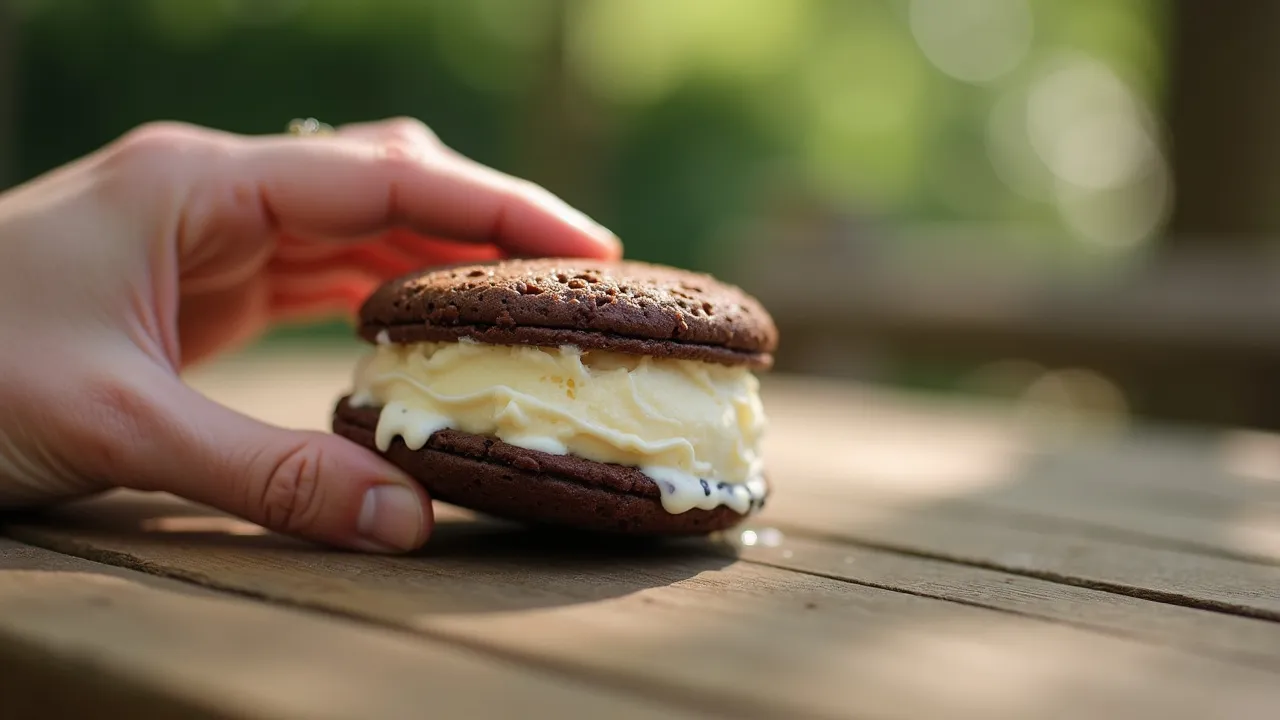
National Ice Cream Sandwich Day on August 2nd celebrates the beloved frozen treat of ice cream between cookies or wafers. Discover its history, global variations, and fun ways to enjoy this cool dessert.
The Historical Origins & Evolutionary Journey
National Ice Cream Sandwich Day, observed annually on August 2nd, pays homage to one of America's most iconic frozen desserts. While the exact origins of the day remain unclear—believed to have emerged in the early 2000s through marketing campaigns or food enthusiast communities—the ice cream sandwich itself boasts a rich history dating back over a century.
The Foundational Catalyst
The first recorded ice cream sandwich appeared in 1899 in New York City, when a street vendor sold a slice of ice cream between two thin wafers. This simple yet ingenious creation quickly gained popularity, offering a portable, mess-free way to enjoy ice cream. By the 1920s, the treat became a staple at soda fountains and ice cream parlors across the United States.
Mass Production and National Adoption
In 1945, the Ice Cream Sandwich was officially mass-produced by companies like Good Humor and Eskimo Pie (later acquired by other brands). The classic version—vanilla ice cream between two chocolate wafers—became the standard. During the post-war economic boom, the treat solidified its place in American culture, featured in lunchboxes, birthday parties, and summer outings.
Modern Global Legacy
Today, the ice cream sandwich has transcended borders, with variations like ice cream mochi in Japan, gelato sandwiches in Italy, and kulfi sandwiches in India. National Ice Cream Sandwich Day, while unofficial, is widely recognized in the United States, celebrated with social media campaigns, discounts at ice cream shops, and homemade recipes.
How to Celebrate National Ice Cream Sandwich Day
National Ice Cream Sandwich Day offers endless opportunities to indulge in creativity and community. Here are actionable ways to make the most of August 2nd:
For Individuals and Families
- DIY Ice Cream Sandwich Bar: Set up a station with assorted cookies (chocolate chip, oatmeal, sugar), ice cream flavors (vanilla, chocolate, strawberry), and toppings (sprinkles, chocolate chips, crushed nuts). Let everyone build their own.
- Classic Homemade Recipe: Prepare homemade ice cream (or store-bought) and use two chocolate wafers or soft cookies. Press gently and freeze for 30 minutes. Enjoy with friends.
For Schools and Organizations
- Ice Cream Sandwich Social: Host a community gathering in a park or cafeteria, offering a variety of sandwiches. Include dairy-free and vegan options.
- Fundraiser: Sell ice cream sandwiches at a local event, with proceeds going to a charity focused on childhood nutrition or summer programs.
Corporate and Social Rituals
- Office Break: Surprise employees with a mobile ice cream cart serving custom sandwiches. Encourage teams to share photos on social media with a designated hashtag.
- Global Variations: Explore international styles—make mochi ice cream sandwiches (Japan), alfajor-style (South America), or brioche ice cream sandwiches (France) to appreciate global diversity.
Remember to support local ice cream shops and share your creations online using #NationalIceCreamSandwichDay.
Global Impact and Cultural Variations
The ice cream sandwich has evolved far beyond its American roots, becoming a canvas for cultural expression worldwide.
Asia
- Japan's Mochi Ice Cream: A soft, chewy rice dough encases a scoop of ice cream, often flavored with matcha, red bean, or sakura. These bite-sized treats are popular year-round.
- India's Kulfi Sandwich: Dense, creamy kulfi (slow-cooked Indian ice cream) is sandwiched between two slices of milk bread or sweet biscuits, often topped with rose syrup and nuts.
Europe
- Italy's Gelato Sandwich (Gelato Panino): Gelato is pressed between two halves of a sweet brioche bun, creating a portable dessert enjoyed in piazzas.
- France's Croque Glacé: A scoop of ice cream is placed between two thin, crispy cookie wafers, sometimes dipped in chocolate.
Americas
- Mexico's Helado Sandwich: Mexican ice cream (helado) with flavors like tamarind or coconut is sandwiched between thick, cookie-like wafers and rolled in chili powder or coconut flakes.
- Argentina's Alfajor Sandwich: Two rounds of shortbread with dulce de leche, but often filled with ice cream for a frozen treat.
These variations highlight the universal appeal of combining frozen creaminess with a convenient, portable enclosure.
Modern Innovations and Trends
The ice cream sandwich industry continues to innovate, driven by consumer demand for novelty, health-conscious options, and premium ingredients.
Gourmet and Artisanal Creations
- Small-batch producers craft sandwiches with homemade cookies, organic ice cream, and unique flavor pairings like lavender honey or smoked salt caramel.
- Dessert hybrids merge ice cream sandwiches with other treats: donut ice cream sandwiches, cronut (croissant-donut) sandwiches, or even waffle ice cream sandwiches.
Dietary Accommodations
- Vegan and Dairy-Free: Coconut, almond, or oat milk-based ice creams are paired with gluten-free cookies, making the treat accessible to many.
- Low-Sugar and Keto: Sugar-free ice creams with almond flour cookies cater to low-carb diets without sacrificing taste.
Packaging and Convenience
- Mini sandwiches are marketed as portion-controlled snacks for children and adults.
- DIY kits from brands like NadaMoo! and So Delicious allow customers to create their own sandwiches at home with pre-portioned components.
Social media has also fueled trends like the 'ice cream sandwich cake' (layering sandwiches with whipped cream) and 'chocolate-dipped sandwiches' for extra indulgence.
Nutritional Considerations and Fun Facts
While ice cream sandwiches are a delightful indulgence, understanding their nutritional profile helps balance enjoyment with a healthy lifestyle.
Nutritional Snapshot
- A typical store-bought ice cream sandwich (about 70-100g) contains around 180-250 calories, 5-10g of fat, 25-35g of carbohydrates, and 2-5g of protein.
- Many brands now offer 'light' versions with reduced sugar or fat, using alternative sweeteners or skim milk.
Fun Facts
- Largest Ice Cream Sandwich: In 2016, a sandwich weighing over 5,400 pounds was created in Florida, USA, using 3,000 pounds of ice cream and 2,400 pounds of cookies.
- Oldest Known Recipe: The first printed ice cream sandwich recipe appeared in a 1900 cookbook called 'The Ice Cream Book' by Mrs. D. A. Lincoln.
- National Day Rivalry: Some sources also celebrate 'National Ice Cream Sandwich Day' on alternative dates, but August 2nd remains the most widely recognized in the United States.
- Customizable Colors: In the 1950s, manufacturers experimented with colored wafers (pink, green) to appeal to children, but chocolate remained the classic.
Enjoying an ice cream sandwich in moderation can be part of a balanced diet, especially when paired with physical activity.
Industry and Economic Impact
The ice cream sandwich is a significant segment of the broader frozen dessert market, which generates billions in revenue annually.
Market Data
- In the United States, ice cream sandwiches account for roughly 5-7% of the total ice cream market, translating to over $1 billion in sales per year.
- Major brands include Good Humor, Eskimo Pie (now part of Dreyer's), Nestlé (now under a new partnership), and store brands from Walmart, Kroger, and Target.
Economic Contributions
- Employment: The production, distribution, and retail of ice cream sandwiches support thousands of jobs, from dairy farmers to factory workers to scoopers at local shops.
- Seasonal Dynamics: Sales peak during summer, with August 2nd often prompting promotions and coupons, boosting short-term revenue by an estimated 10-15% for participating retailers.
Supply Chain and Innovation
- Advancements in freezing technology allow for longer shelf life and better texture, reducing waste and expanding distribution.
- The rise of online grocery delivery has made ice cream sandwiches more accessible, with companies like Instacart and Amazon Fresh offering temperature-controlled shipping.
As consumer preferences shift towards premium and health-conscious options, the industry continues to adapt, ensuring the ice cream sandwich remains a beloved staple for generations to come.
Historical Timeline
The first known ice cream sandwich is sold by a street vendor in New York City, consisting of a slab of ice cream between two thin wafers.
The first printed recipe for an ice cream sandwich appears in Mrs. D. A. Lincoln's cookbook, 'The Ice Cream Book'.
Ice cream sandwiches begin mass production by Good Humor and Eskimo Pie, standardizing the treat with chocolate wafers and vanilla ice cream.
Manufacturers experiment with colored wafers (pink, green) to attract children, though chocolate remains dominant.
National Ice Cream Sandwich Day is informally established, likely through online food communities and marketing campaigns, fixed on August 2nd.
The world's largest ice cream sandwich is created in Florida, weighing 5,430 pounds, using 3,000 pounds of ice cream and 2,400 pounds of cookies.
Growth in vegan and gluten-free ice cream sandwiches, along with DIY kits, reflects changing dietary preferences and consumer demand for customization.