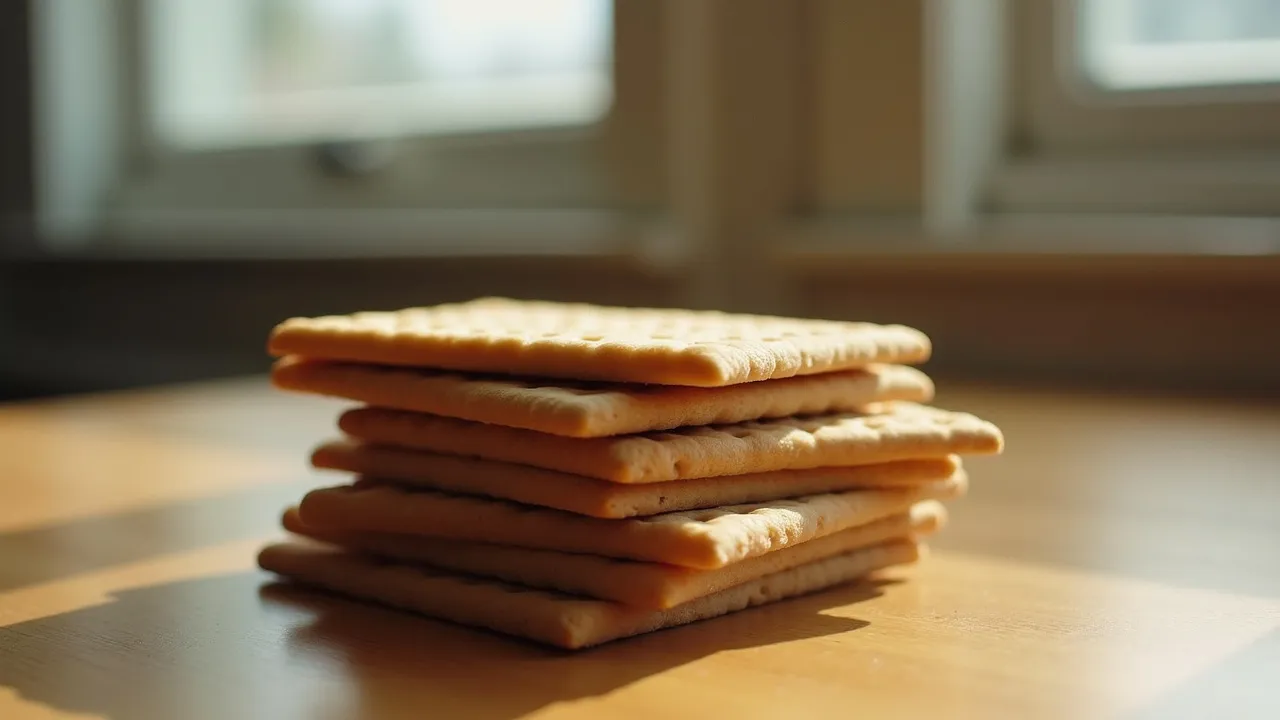
National Graham Cracker Day on July 5th honors the wholesome snack created by Sylvester Graham in 1829. Enjoy these crispy crackers in s'mores, pie crusts, or simply with milk.
The Historical Origins & Evolutionary Journey
National Graham Cracker Day, observed annually on July 5th, pays tribute to a humble yet iconic American snack that has stood the test of time. The graham cracker owes its existence to Sylvester Graham, a Presbyterian minister and dietary reformer of the 19th century. Graham's advocacy for whole-grain, vegetarian diets led him to create the original graham cracker in 1829 as part of his health regimen.
The Foundational Catalyst
Sylvester Graham was born in 1794 in West Suffield, Connecticut. He became a leading voice in the temperance and health reform movements, promoting what he called the "Graham Diet." This diet emphasized fresh fruits, vegetables, and whole-grain breads—all believed to curb carnal desires and promote moral purity. In 1837, Graham published his influential work Lectures on the Science of Human Life, which laid out his nutritional philosophy. The original graham cracker was a simple, unsweetened, coarsely ground whole-wheat biscuit. It was not the sweet, honey-flavored treat we know today.
The Legislative/Official Adoption
Though National Graham Cracker Day is not a federal holiday, it emerged in the late 20th century as part of the proliferation of food-themed "national days." The exact origin of the observance is unclear, but it gained traction through media and commercial interests. The National Day Calendar, a popular online resource, lists July 5th as the official date. This timing may be linked to the post-Independence Day lull, encouraging Americans to enjoy a simple snack after heavy holiday meals.
Modern Global Legacy
Today, graham crackers are a staple in American households, used in countless recipes. Their global reach is limited compared to other snacks, but they have found a niche in markets like Canada and parts of Asia through American cuisine influences. The cracker's role as a key ingredient in s'mores—a campfire classic—has cemented its place in summer traditions. Additionally, graham cracker crusts are a popular base for cheesecakes and pies. The modern version is typically sweetened with honey or sugar and often made with refined flour, deviating from Graham's original health-focused recipe.
How to Celebrate National Graham Cracker Day
National Graham Cracker Day offers a perfect excuse to indulge in this versatile snack. Here are the ultimate ways to celebrate, whether you are an individual, family, school, or organization.
For Individuals and Families
- Classic S'mores: Fire up the grill or campfire and make s'mores with graham crackers, marshmallows, and chocolate. Try variations with peanut butter cups or caramel.
- DIY Graham Cracker Tasting: Compare different brands—honey, cinnamon, chocolate-dipped—and rate them.
- Baking with Graham Crackers: Use crushed graham crackers for pie crusts, cheesecake bases, or as a topping for fruit crisps.
For Schools and Educational Groups
- History Lesson: Teach students about Sylvester Graham and the 19th-century health reform movement. Discuss how foods change over time.
- Science Experiment: Explore the properties of graham crackers—how they absorb moisture, break under pressure, or dissolve in milk.
- Art Project: Use graham crackers as edible canvas for frosting and sprinkles to create small houses or mosaics.
For Organizations and Communities
- Graham Cracker Drive: Collect graham crackers and other s'mores ingredients for local food banks or shelters.
- Office Snack Bar: Set up a graham cracker bar with toppings like chocolate spread, jam, and nuts.
- Social Media Challenge: Encourage followers to share their best graham cracker creations using a dedicated hashtag.
Internationally, while the day is primarily US-focused, groups in Canada and Mexico sometimes join in through American cultural exchanges. In the UK, a similar concept exists with digestive biscuits, but graham crackers remain a niche import.
The Nutritional Debate: Health Food or Indulgence?
Sylvester Graham's original cracker was a health food—unsweetened, whole-grain, and fiber-rich. Modern graham crackers, however, are often laden with added sugars and refined flour. This section explores the nutritional evolution.
Original vs. Modern Formulations
The original Graham recipe used coarsely ground wheat flour, water, and sometimes a bit of salt. No sweeteners. In contrast, typical commercial graham crackers contain high-fructose corn syrup, enriched flour, and hydrogenated oils. A single serving can have 8–10 grams of sugar. Health-conscious brands now offer organic, whole-wheat, and low-sugar versions, harkening back to Graham's principles.
Graham Crackers in Special Diets
Some graham crackers are made gluten-free (using rice flour or oat flour) or vegan (without honey). These alternatives allow broader participation in the day's celebrations. However, consumers must check labels carefully, as many products still contain refined sugars and additives.
The Public Health Perspective
Dietitians often recommend graham crackers as a better alternative to sugary cookies, especially when paired with protein like peanut butter. They can be part of a balanced snack. Nonetheless, modesty is key. National Graham Cracker Day can be an opportunity to promote mindful eating and the historical context of dietary reform.
Cultural Impact and Iconic Recipes
Graham crackers have permeated American culture beyond being a snack. They are embedded in campfire traditions, dessert recipes, and even pop culture references.
The S'mores Phenomenon
The first recorded s'more recipe appeared in the 1927 Girl Scouts guidebook Tramping and Trailing with the Girl Scouts. The treat quickly became synonymous with outdoor camping. National Graham Cracker Day often inspires s'mores variations, such as using chocolate-covered graham crackers or adding fruit. The word "s'more" itself is a contraction of "some more," highlighting its addictive quality.
Graham Cracker Crust: A Culinary Staple
Crushed graham crackers mixed with butter and sugar form the base for countless no-bake cheesecakes, key lime pies, and tarts. This simple crust is versatile and easy to prepare, making it a favorite among home bakers. Recipes often call for a 9-inch pie pan and bake at 375°F for 10 minutes.
Regional Twists
In some parts of the Southern United States, graham crackers are used in banana pudding layers. In New England, they sometimes substitute for breadcrumbs in meatloaf. These creative uses show the cracker's adaptability.
The Economics of Graham Crackers
The graham cracker industry is a multi-million dollar segment of the snack food market in the United States. Major brands like Nabisco (Honey Maid), Keebler, and store brands dominate shelves.
Market Statistics
According to a 2023 report, the US graham cracker market was valued at approximately $450 million, with steady growth of 2-3% annually. The category includes traditional graham crackers, chocolate-covered varieties, and low-fat options. Seasonal spikes occur around summer (s'mores season) and during Thanksgiving/Christmas (pie crusts).
Supply Chain and Production
Most graham crackers are produced in large automated bakeries. Key ingredients include wheat flour (often from the Great Plains), sugar, and vegetable oils. The production process involves mixing, sheeting, cutting, and baking at high temperatures. The crackers are then cooled and packaged in moisture-proof wrappers.
Challenges and Innovations
Recent trends include clean-label products (simple ingredients, no artificial flavors) and sustainable packaging. Health concerns have also spurred reformulation: some companies reduce sugar content or add whole grains. The rise of gluten-free and keto diets has prompted niche products using almond flour or coconut flour.
Environmental and Ethical Considerations
While graham crackers are not typically associated with major environmental issues, their production does involve agriculture, packaging, and transportation.
Ingredient Sourcing
Wheat and sugar are the primary ingredients. Wheat farming can contribute to soil erosion and water usage. Some companies source sustainably, using regenerative agriculture practices. Sugar, especially from sugarcane, has environmental impacts like deforestation and water pollution. Choosing brands that use organic or fair-trade sugar can mitigate these issues.
Packaging Waste
Most graham crackers come in plastic-wrapped trays inside cardboard boxes, creating mixed-material waste. Consumers can look for brands using recyclable or compostable packaging. Additionally, buying in bulk reduces per-unit packaging.
Ethical Production
Labor practices in wheat and sugar farming vary globally. For products labeled as fair trade, like some sugar sources, workers receive better wages and conditions. On National Graham Cracker Day, reflecting on these ethical dimensions can align with Sylvester Graham's moral reformist spirit.
Historical Timeline
Sylvester Graham is born in West Suffield, Connecticut. He will later become a Presbyterian minister and dietary reformer.
Graham creates the original graham cracker as part of his health-focused diet, which emphasizes whole grains and vegetarianism.
Graham publishes 'Lectures on the Science of Human Life,' outlining his dietary philosophy that includes the cracker.
Sylvester Graham dies at age 57. His dietary ideas continue to influence health movements.
The National Biscuit Company (later Nabisco) begins commercial production of graham crackers, standardizing the recipe with added sweeteners.
The first s'mores recipe appears in 'Tramping and Trailing with the Girl Scouts,' cementing graham crackers as a campfire favorite.
National food holidays become popular; National Graham Cracker Day likely emerges during this decade.
Health-conscious versions of graham crackers appear, including organic, gluten-free, and low-sugar options.