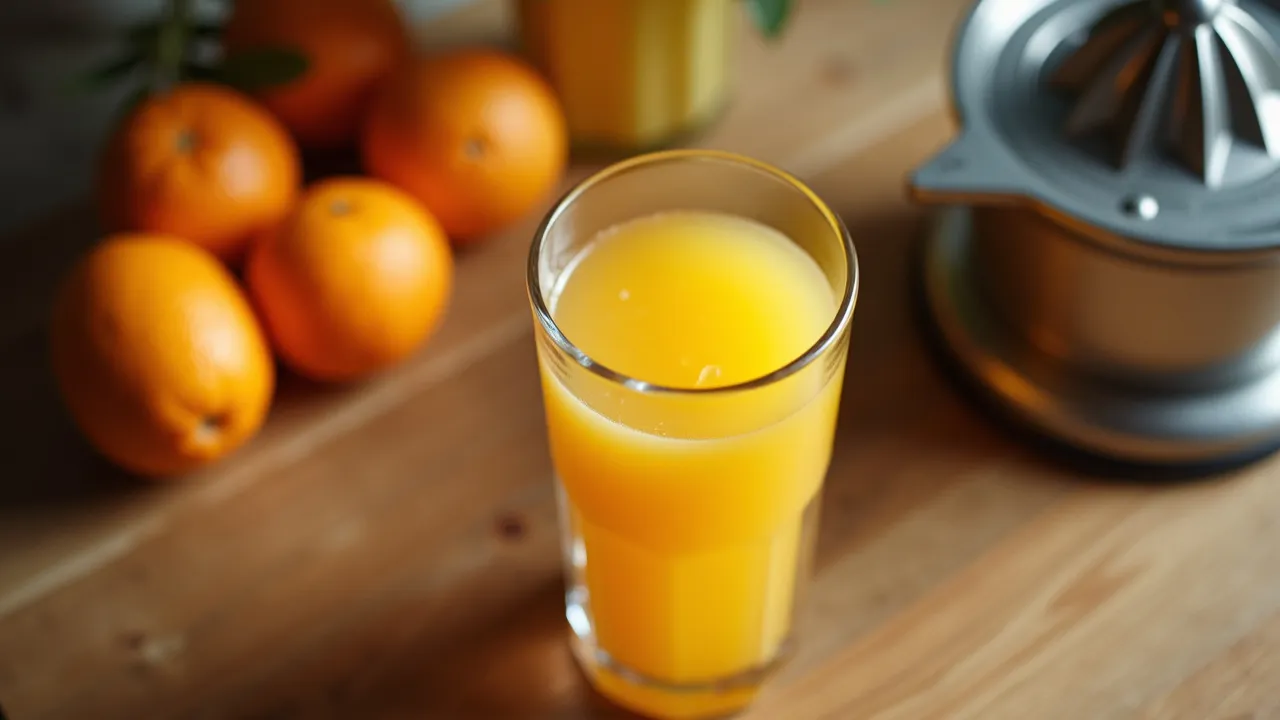
National Fresh Squeezed Juice Day, observed on January 15th, celebrates the pure taste and health benefits of freshly squeezed juice. It encourages everyone to enjoy homemade juice from fresh fruits and vegetables.
The Historical Origins & Evolutionary Journey
National Fresh Squeezed Juice Day, observed annually on January 15th, emerged from the growing health and wellness movement of the early 2000s. While the exact origins of the day remain unclear, it is believed to have been championed by health advocates and juicing enthusiasts seeking to promote the benefits of consuming fresh, unprocessed juice.
The Foundational Catalyst
The modern juicing trend gained momentum in the 1970s with the invention of the centrifugal juicer, which made home juicing accessible. However, it was the rise of raw food and detox diets in the 1990s that truly sparked interest. By the 2000s, cold-pressed juice bars began appearing in major cities, popularizing the concept of fresh juice as a health elixir.
The Legislative/Official Adoption
Although no official government proclamation exists, National Fresh Squeezed Juice Day was likely established by a coalition of juice manufacturers, health bloggers, and nutritionists around 2015. The date January 15th was chosen to coincide with the post-holiday health reset period, when many people seek to adopt healthier habits.
Modern Global Legacy
Today, the day is celebrated worldwide through social media campaigns, juice bar promotions, and community juicing events. It has become a rallying point for advocates of whole-food nutrition and sustainable agriculture.
How to Celebrate National Fresh Squeezed Juice Day
Celebrating National Fresh Squeezed Juice Day on January 15th is simple and rewarding. Below are actionable steps for individuals, schools, and organizations.
For Individuals
- Make fresh juice at home: Use a juicer or blender to create your favorite combination of fruits and vegetables. Orange-carrot-ginger is a classic.
- Visit a local juice bar: Support small businesses by ordering a fresh-squeezed juice. Ask about their sourcing and ingredients.
- Share on social media: Post a photo of your juice with hashtag #NationalFreshSqueezedJuiceDay to inspire others.
For Schools and Community Groups
- Organize a juicing workshop where participants learn about the nutritional benefits of different produce.
- Host a “juice tasting” event with samples made from locally sourced fruits and vegetables.
- Invite a nutritionist to speak about the role of fresh juice in a balanced diet.
Global Traditions
In the United States, many juice chains offer buy-one-get-one deals on this day. In Japan, fresh yuzu juice is often featured. In Brazil, açaí and other tropical fruit juices take center stage. Across Europe, organic cold-pressed juice pop-ups are common.
Health Benefits of Fresh Squeezed Juice
Fresh squeezed juice is packed with vitamins, minerals, and antioxidants. Unlike processed juices, it retains natural enzymes and fiber (if not strained). Key benefits include:
- Boosts immune system: Citrus fruits provide vitamin C, while ginger and turmeric offer anti-inflammatory properties.
- Supports digestion: Enzymes in raw juice aid nutrient absorption.
- Increases energy: Natural sugars and micronutrients provide a quick, sustained energy lift.
- Hydrates the body: Juices are primarily water, making them an excellent hydrator.
However, experts caution against using juice as a meal replacement due to its low protein and fiber content. It is best consumed as part of a balanced diet.
The Rise of the Cold-Pressed Juice Industry
Over the past decade, cold-pressed juice has become a multi-billion-dollar industry. Unlike centrifugal juicing, cold pressing uses hydraulic pressure to extract juice without generating heat, preserving more nutrients and flavor.
Market Growth
The global cold-pressed juice market was valued at over $6 billion in 2023 and is projected to grow at a CAGR of 8% through 2030. Key players include Suja, Evolution Fresh, and Blueprint Juice.
Environmental Considerations
Juicing produces significant food waste (pulp). Many companies now repurpose pulp into compost, animal feed, or baked goods. Consumers can also use leftover pulp in smoothies or soups.
Fresh Juice vs. Processed Juice: A Comparison
Understanding the difference between fresh squeezed and processed juice is crucial for informed choices.
| Aspect | Fresh Squeezed | Processed |
|---|---|---|
| Nutrient content | High (vitamins, enzymes) | Lower (heat destroys nutrients) |
| Added sugars | None | Often added |
| Preservatives | None | Common |
| Shelf life | 1-3 days | Months |
| Fiber | Some (if not strained) | Minimal |
Fresh juice offers superior taste and health benefits, but requires more effort. Processed juice is convenient but often less nutritious.
Culinary Uses of Fresh Squeezed Juice Beyond Drinking
Fresh squeezed juice is not only for drinking. It can be used in various culinary applications:
- Marinades and dressings: Citrus-based marinades tenderize meat and add flavor.
- Sauces and reductions: Reduce juice with herbs for a gourmet sauce.
- Baking: Replace water or milk with juice in cakes and muffins for natural sweetness.
- Ice pops and sorbets: Freeze juice in molds for a healthy treat.
- Cocktails and mocktails: Use as a mixer for creative beverages.
Experimenting with juice in cooking reduces waste and adds vibrant color and taste to dishes.
Historical Timeline
The first electric juicers are invented, making juice extraction more efficient and paving the way for home juicing.
Centrifugal juicers become popular, bringing fresh juice to the average household.
Jamba Juice (originally Juice Club) opens in California, spurring the juice bar trend in the US.
Cold-pressed juicers are introduced commercially, creating a new niche in the market.
The documentary 'Fat, Sick & Nearly Dead' popularizes juicing as a health intervention.
National Fresh Squeezed Juice Day is first observed, likely promoted by juice industry stakeholders.
The COVID-19 pandemic boosts home juicing as people seek immune-boosting foods.
The global cold-pressed juice market reaches $7 billion, with innovations in sustainable packaging.