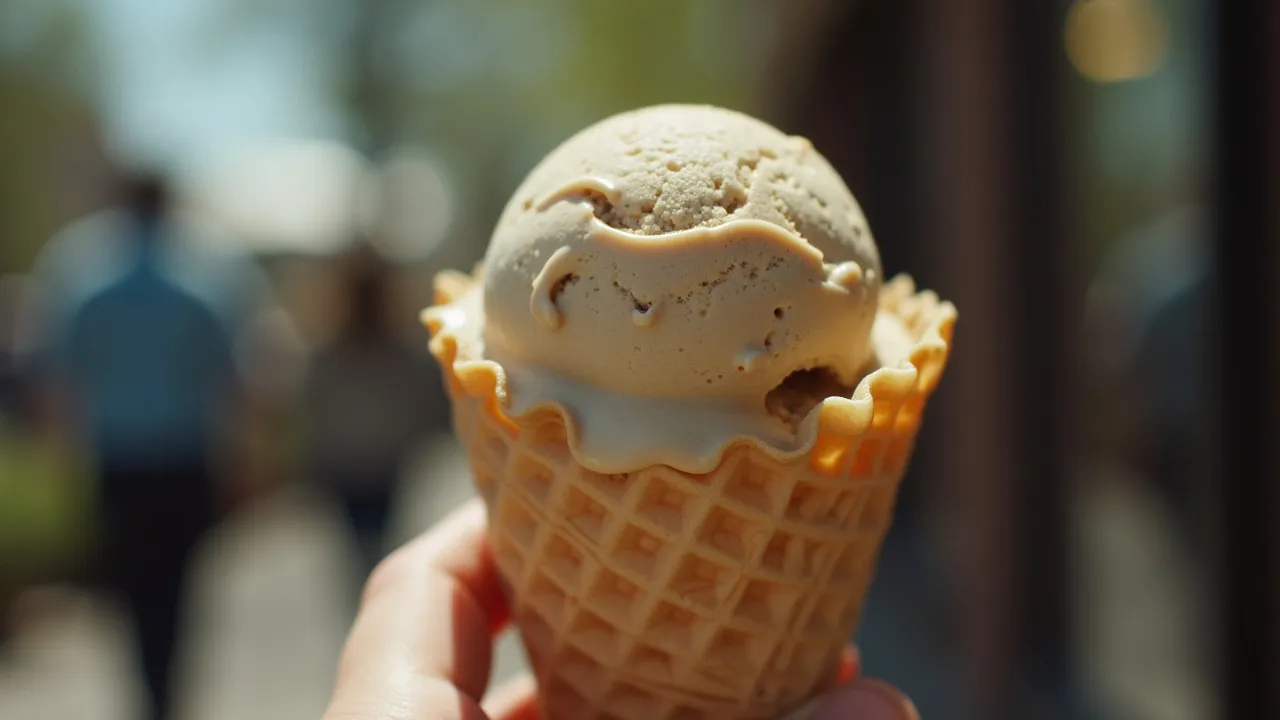
Celebrate National Coffee Ice Cream Day on September 6th by indulging in the perfect blend of rich coffee and creamy ice cream. Explore its history, global variations, and delicious ways to enjoy this beloved treat.
The Historical Origins & Evolutionary Journey
National Coffee Ice Cream Day, observed annually on September 6th, pays homage to a dessert that marries two of the world's most beloved indulgences: coffee and ice cream. The history of coffee ice cream itself dates back centuries, but the establishment of a dedicated day is a relatively modern phenomenon.
The Foundational Catalyst
The earliest known record of coffee-flavored ice cream comes from 19th-century Europe, where French and Italian chefs experimented with adding cold-brewed coffee to custard bases. The treat gained popularity in the United States during the late 1800s, with recipes appearing in cookbooks such as The Ice Cream Manual (1896). By the early 20th century, coffee ice cream had become a staple in American ice cream parlors, especially in cities with strong coffee cultures like Seattle and New York.
The Legislative/Official Adoption
The push to establish a national day for coffee ice cream gained momentum in the early 2000s, driven by the International Ice Cream Association (IICA) and various coffee advocacy groups. September 6th was chosen strategically—falling after summer's peak but before the autumn chill, allowing for continued enjoyment of cold treats. While not an officially legislated holiday, the day has been recognized by the National Day Calendar since 2004, gaining widespread media coverage and corporate sponsorship.
Modern Global Legacy
Today, National Coffee Ice Cream Day is celebrated across the United States, Canada, and parts of Europe. It has evolved beyond simple consumption to include events like "Scoop and Sip" festivals, charity scoops, and coffee-ice-cream pairings. The day also highlights artisanal producers and the growing demand for premium, organic coffee ice cream.
How to Celebrate National Coffee Ice Cream Day
Whether you're a casual fan or a connoisseur, National Coffee Ice Cream Day offers countless ways to participate. Here is the ultimate guide to celebrating this delicious day.
For Individuals
- Visit a local ice cream parlor and order a scoop of coffee ice cream. Many shops offer special discounts or free samples on this day.
- Host a coffee ice cream tasting party with friends and family. Feature different brands, roasts, and toppings like caramel, chocolate chips, or whipped cream.
- Make your own coffee ice cream at home using a simple no-churn recipe. Combine sweetened condensed milk, heavy cream, and strong brewed coffee for a quick and delicious treat.
For Schools and Organizations
- Organize a "Scoop-a-thon" fundraiser where proceeds go to a local charity. Sell cups of coffee ice cream decorated with custom toppings.
- Host an educational workshop on the history and science of ice cream making, focusing on coffee flavor extraction.
- Create a coffee ice cream flavor contest where students or employees submit their own unique recipes, with the winner's creation sold in the cafeteria or office.
Global Celebration Variations
- In Italy, celebrate with an affogato—a scoop of vanilla gelato drowned in a shot of hot espresso. Pair it with a crisp biscotti for texture.
- In Vietnam, enjoy cà phê trứng (egg coffee) inspired ice cream, which blends coffee with egg yolk and sweetened condensed milk for a rich, custard-like treat.
- In Japan, try matcha-coffee swirl ice cream, combining two classic flavors for a unique umami experience.
The Art and Science of Coffee Ice Cream Production
Coffee ice cream is a delicate balance of fat, sugar, and coffee compounds. The perfect scoop requires understanding the science behind the freeze.
Choosing the Right Coffee
The flavor of coffee ice cream depends heavily on the roast and brewing method. Cold brew is preferred by many artisans because it extracts a smooth, less acidic coffee flavor without bitterness. Some producers use espresso for a more intense kick. The grind size and extraction time are critical—over-extraction leads to bitterness; under-extraction results in a weak flavor.
The Freezing Process
Ice cream bases are churned at low temperatures to incorporate air and prevent ice crystal formation. For coffee ice cream, the mix is often aged for several hours to allow the coffee oils to bind with the fat. The addition of egg yolks (in custard-style versions) or stabilizers like guar gum ensures a creamy texture even after prolonged freezing.
Innovations in Production
- Nitro coffee ice cream: Infused with nitrogen gas for a creamier, smoother mouthfeel.
- Vegan coffee ice cream: Made with coconut or oat milk, using coffee concentrate to maintain a rich flavor without dairy.
- Boozy coffee ice cream: Incorporating Irish cream or Kahlúa for an adult twist.
Global Variations of Coffee Ice Cream
Coffee ice cream comes in many forms across the globe, each reflecting local tastes and traditions.
Italy: Gelato al Caffè
Italian gelato uses less fat than American ice cream, resulting in a denser texture. Often served as a crema di caffè with a swirl of chocolate syrup, it's a favorite in Roman summer.
United States: Classic and Premium
From mass-market brands like Breyers to artisanal labels like Jeni's, American coffee ice cream ranges from simple coffee-flavored frozen desserts to complex blends with brown butter and dark chocolate chunks.
Turkey: Maraş Dondurma
Turkish ice cream is elastic and chewy, thanks to salep and mastic. Coffee-flavored versions are less common but gaining popularity, often served with a side of strong Turkish coffee.
India: Coffee Kulfi
Kulfi is a dense, slow-frozen ice cream. Coffee kulfi is made by boiling milk until reduced, then adding coffee powder and cardamom. It's often served with dried fruits and nuts.
Health and Nutrition: Myths and Facts
Many consumers wonder about the health implications of coffee ice cream. Let's debunk common myths and present the facts.
Caffeine Content
On average, a half-cup serving of coffee ice cream contains about 30-45 mg of caffeine, roughly half the amount in a standard cup of coffee. This varies by brand and recipe. Those sensitive to caffeine should opt for decaffeinated versions.
Calories and Sugar
A typical scoop (½ cup) of premium coffee ice cream has around 140-180 calories and 14-18 grams of sugar. Low-fat or no-sugar-added options are available, but they often sacrifice texture. Moderation is key.
Dairy-Free Options
For lactose intolerant individuals, many brands offer vegan coffee ice cream made from almond, coconut, or oat milk. These products often have similar calorie counts but may contain more sugar to mask the dairy-free texture.
Antioxidant Benefits
Coffee is rich in antioxidants, even after freezing. A scoop of coffee ice cream can provide a small dose of polyphenols, which combat oxidative stress.
The Economic Impact of Coffee Ice Cream
The coffee ice cream segment is a multi-billion dollar industry, experiencing steady growth driven by premiumization and consumer demand for bold flavors.
Market Size
In 2023, the global coffee ice cream market was valued at over $4.5 billion, with an expected annual growth rate of 5.2% through 2030. North America and Europe dominate consumption, but Asia-Pacific is the fastest-growing region.
Key Players
- Unilever (Ben & Jerry's, Breyers) holds nearly 30% of the market share.
- Nestlé (Dreyer's, Häagen-Dazs) follows closely.
- Artisanal producers like Salt & Straw and Ample Hills have carved out niche markets with innovative flavors.
Seasonal Trends
Sales peak in summer, but coffee ice cream has less seasonality than fruit flavors. National Coffee Ice Cream Day itself generates a significant spike in sales, with many brands offering limited-edition flavors or promotions.
Historical Timeline
First recorded coffee ice cream recipes appear in French and Italian cookbooks, using cold coffee mixed with cream and sugar.
The Ice Cream Manual by A. B. Marshall includes a detailed recipe for coffee ice cream, popularizing it in American homes.
Commercial production of coffee ice cream begins in the United States, with brands like Breyers introducing it as a year-round flavor.
Artisanal ice cream movement revives handcrafted coffee ice cream, with Starbucks and other coffee chains launching their own branded scoops.
National Coffee Ice Cream Day is officially recognized by the National Day Calendar, observed on September 6th.
Vegan coffee ice cream hits the mainstream, with brands like So Delicious and NadaMoo! offering dairy-free alternatives.
Nitro coffee ice cream enters the market, infusing cold brew with nitrogen for a creamy, scoopable texture.
Global coffee ice cream market reaches $4.5 billion, driven by premium and plant-based varieties.