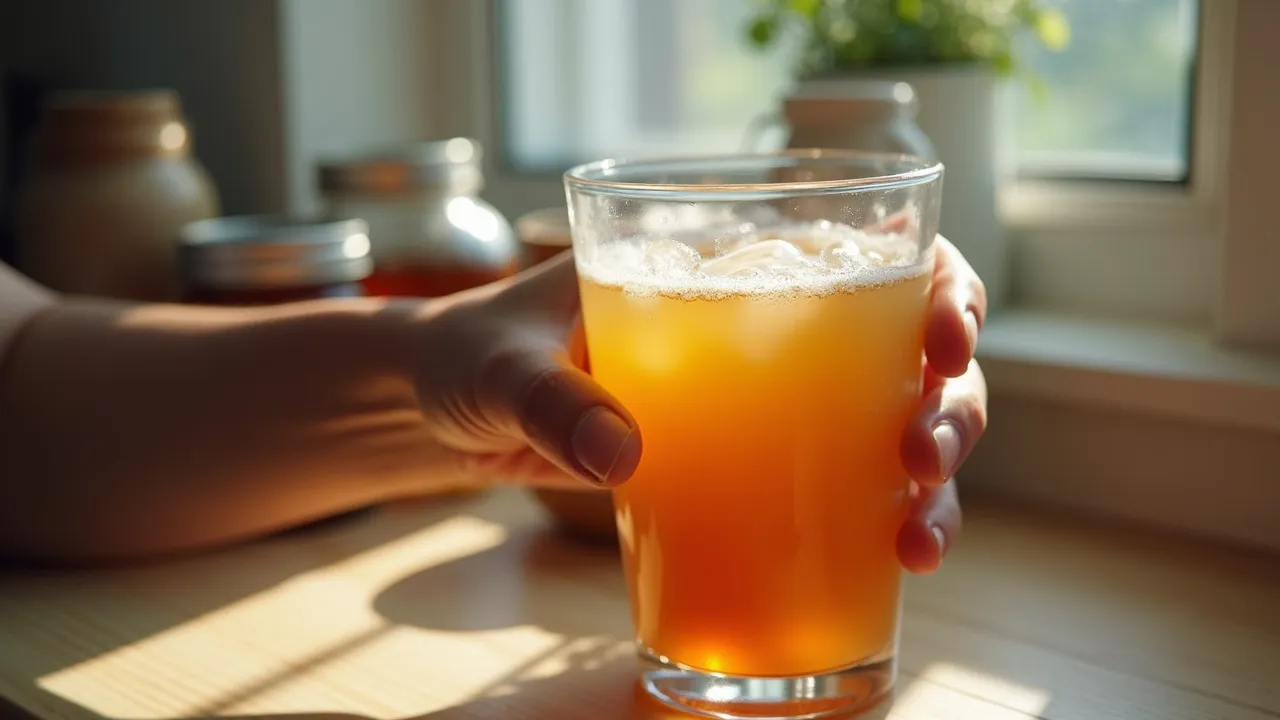
National Booch Day on January 15th honors the fermented tea known as kombucha. It's a day to appreciate its health benefits, diverse flavors, and cultural impact since ancient times.
The Historical Origins & Evolutionary Journey
National Booch Day, celebrated on January 15th, is a relatively modern observance rooted in an ancient beverage. Kombucha, often called 'booch', dates back over 2,000 years to Northeast China (Manchuria) around 220 BCE. It was revered for its detoxifying and energizing properties. The drink spread along the Silk Road to Russia, Eastern Europe, and eventually the rest of the world.
The Foundational Catalyst
The modern commercialization of kombucha began in the 1990s in the United States, driven by the health food movement. Small home brewers and local tea shops pioneered the revival. By the 2010s, kombucha exploded in popularity, leading to the need for a dedicated celebration day.
The Legislative/Official Adoption
In 2018, Daina Trout, co-founder of Health-Ade Kombucha, officially established National Booch Day on January 15th. The date was chosen to kick off the new year with a focus on gut health and wellness. The day was registered with the National Day Calendar, making it an officially recognized observance.
Modern Global Legacy
Today, National Booch Day is celebrated across the United States and in over 50 countries. It has become a platform for kombucha brewers, both large and small, to showcase their products, educate consumers, and promote the symbiotic culture of bacteria and yeast (SCOBY). The day also highlights sustainability and fermentation as a food preservation method.
How to Celebrate National Booch Day
National Booch Day offers a variety of ways to engage with kombucha, from tasting to brewing. Here's a definitive guide for individuals, schools, and organizations.
Individuals and Home Enthusiasts
- Host a Kombucha Tasting Party: Gather friends and sample different flavors—ginger, berry, turmeric, or classic. Compare store-bought vs. homemade.
- Start Your Own Brew: Purchase a SCOBY and a starter kit. Follow a simple recipe: sweet tea + SCOBY + 7-14 days of fermentation.
- Visit a Local Brewery: Many kombucha taprooms offer free samples and tours on this day. Check listings for events.
Schools and Educational Institutions
- Science Experiment: Teach fermentation and microbiology by brewing kombucha in the classroom. Monitor pH and sugar consumption.
- Nutrition Workshop: Discuss probiotics, gut health, and the role of fermented foods in diets.
- Art Project: Design labels for imaginary kombucha flavors, encouraging creativity and branding skills.
Corporate and Social Organizations
- Employee Wellness Initiative: Provide free kombucha in break rooms or sponsor a lunch-and-learn with a local brewer.
- Charity Partnership: Donate a portion of sales from Booch Day to gut health research or sustainable farming.
- Social Media Campaign: Use hashtags like #NationalBoochDay and #BoochLife to share recipes and stories.
In different regions, celebrations vary: In Japan, kombucha (kombucha is actually a seaweed tea, not the same, but the term is used) is often mixed with matcha. In Germany, traditional brewers emphasize organic ingredients. In the US, flavor innovation thrives—everything from jalapeño to lavender.
Health Benefits and Scientific Research
Kombucha is prized for its potential health benefits, many of which are supported by emerging science. The fermented tea contains probiotics, antioxidants, and organic acids.
Gut Health
The probiotics in kombucha—primarily lactic acid bacteria—can improve digestion and balance the gut microbiome. Studies suggest it may help with irritable bowel syndrome (IBS) symptoms.
Antioxidant and Anti-Inflammatory Properties
Kombucha is rich in polyphenols from green or black tea. These compounds reduce oxidative stress and inflammation, potentially lowering the risk of chronic diseases.
Detoxification
The glucuronic acid in kombucha helps the liver process toxins. However, evidence is mostly anecdotal.
Cautionary Notes
While generally safe, homemade kombucha can cause contamination if not brewed properly. Store-bought options are pasteurized to reduce risks. Pregnant women and immunocompromised individuals should consult a doctor.
Global Impact and Industry Transformation
National Booch Day reflects the explosive growth of the kombucha industry. In 2023, the global kombucha market was valued at over $2.5 billion and is expected to grow at a CAGR of 18% through 2030.
Economic Influence
Small craft breweries have proliferated, often operating on a local scale. Major brands like GT's, Health-Ade, and Brew Dr. have nationwide distribution. The day helps smaller producers gain visibility.
Sustainability
Kombucha production is relatively low-impact. SCOBYs are reusable, and many brands use glass bottles and local ingredients. Some companies have closed-loop systems for SCOBY disposal (e.g., animal feed or biodegradable packaging).
Cultural Shift
Booch Day represents a broader trend toward functional beverages and mindful consumption. It encourages people to replace sugary sodas with healthier alternatives and supports the 'slow food' movement.
How to Make Kombucha at Home
Brewing kombucha at home is a rewarding process that requires basic equipment and patience. Follow these steps for a successful first batch.
- Gather ingredients: 1 cup sugar, 8 tea bags (black or green), 1 gallon water, 1 SCOBY, 2 cups starter tea (from previous batch or store-bought raw kombucha).
- Brew the tea: Boil water, dissolve sugar, steep tea for 10-15 minutes. Remove tea bags and let cool to room temperature.
- Combine in jar: Pour sweet tea into a glass jar, add starter tea, and gently place SCOBY on top. Cover with a cloth and secure with a rubber band.
- Ferment: Keep at 75-85°F (24-30°C) for 7-14 days. Taste periodically. The longer it ferments, the tangier it becomes.
- Bottle and flavor (optional): Remove SCOBY and reserve some liquid for next batch. Add fruits, herbs, or spices to bottles for a second fermentation (2-3 days). Refrigerate and enjoy.
Common mistakes: using metal containers (avoid), over-fermenting (becomes vinegary), and not cleaning equipment thoroughly.
Common Varieties and Pairings
Kombucha comes in countless flavors, from classic to exotic. Understanding varieties can enhance your National Booch Day experience.
Popular Flavor Profiles
- Original: Simple, tangy, slightly sweet. Best for purists.
- Ginger: Spicy and warming, aids digestion.
- Berry: Fruity and vibrant, often mixed with lemon.
- Turmeric: Earthy and anti-inflammatory.
- Herbal: Blends with hibiscus, lavender, or mint for a floral twist.
Food Pairings
Kombucha pairs well with light meals: salads, grilled vegetables, seafood, and fresh cheeses. It also complements Asian cuisine—sushi, dumplings, stir-fries. For a cocktail alternative, mix booch with spirits like vodka or gin (aka 'boochtails').
Historical Timeline
Kombucha originates in Northeast China (Manchuria) and is used for its detoxifying properties.
Kombucha spreads to Russia and Europe, where it becomes known as 'tea kvass' or 'kombucha'.
GT's Kombucha is founded by GT Dave in Los Angeles, pioneering the modern commercial kombucha industry.
Health-Ade Kombucha is founded by Daina Trout, Justin Trout, and Vanessa Dew in California, focusing on small-batch, organic brews.
Kombucha gains mainstream popularity in the US, with major retailers like Whole Foods stocking multiple brands.
Daina Trout establishes National Booch Day on January 15th, officially recognized by the National Day Calendar.
During the pandemic, home brewing surges as people look for DIY wellness activities.
The global kombucha market exceeds $2.5 billion, with National Booch Day celebrated in over 50 countries.