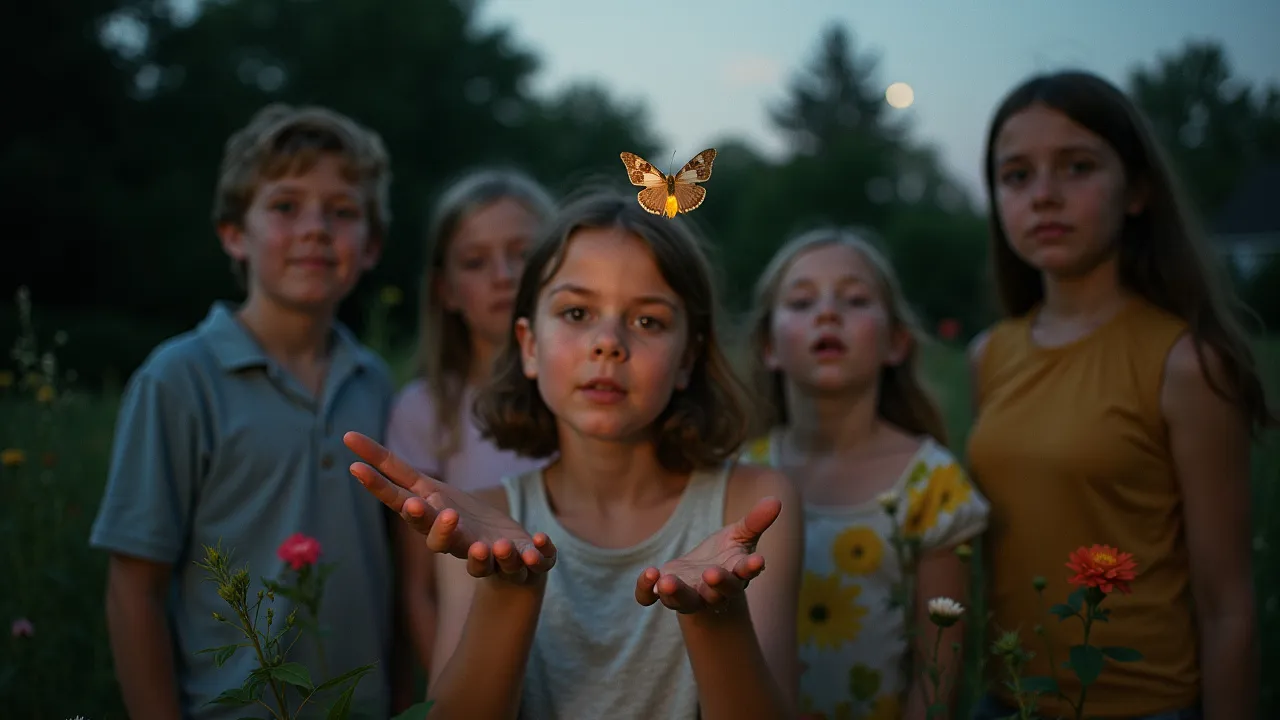
Observed on March 14th, Moth-er Day honors the often-overlooked beauty and ecological importance of moths. It encourages nocturnal observation, habitat preservation, and appreciation for these vital nocturnal pollinators.
The Historical Origins & Evolutionary Journey
The Foundational Catalyst
Moth-er Day traces its roots to the early 1970s, a period when environmental awareness was first taking hold in the Western world. Dr. Hiram L. Moth, a lepidopterist at Cornell University, observed that moths were consistently overshadowed by butterflies in conservation narratives. In 1971, he published a seminal paper titled "The Silent Night Shift: Why Moths Matter", which detailed the critical role moths play as nocturnal pollinators. This sparked a grassroots movement among entomology clubs and nature centers. Dr. Moth proposed a dedicated day of appreciation on March 14th, a date that coincides with the emergence of many spring moth species in the Northern Hemisphere.
The Legislative/Official Adoption
By 1972, several nature societies in the United States and Canada adopted the observance. The Lepidopterists' Society formally endorsed March 14th as Moth-er Day at its annual meeting in 1973. Over the next decade, the day spread to schools and museums through educational kits featuring moth life cycles and citizen science projects. Unlike many modern observances, Moth-er Day was never federally proclaimed; it grew organically within the naturalist community.
Modern Global Legacy
Today, Moth-er Day is celebrated on every continent except Antarctica. In countries like Australia, where moths are crucial for rainforest pollination, the day has taken on special significance. The digital age has amplified participation via social media campaigns, night-time moth-watching events organized by groups like National Moth Week, and the popular "Moth Spotter" app. The ongoing decline of insect populations has given the day a heightened urgency, positioning it as an entry point for broader conservation education.
How to Celebrate Moth-er Day
Individual Activities
- Set up a moth sheet: Hang a white sheet in your backyard near a UV light. Observe and photograph moths that land. Use field guides or apps like iNaturalist to identify species.
- Plant a moth-friendly garden: Include night-blooming flowers such as evening primrose, jasmine, and moonflower. Avoid pesticides that harm moth larvae.
- Participate in citizen science: Submit your observations to Project Noah or the Moths of North America database.
School and Community Events
- Moth walks: Organize a guided night walk with a local naturalist. Provide headlamps with red filters to avoid disturbing moths.
- Science fair projects: Students can create makeshift light traps and compare moth diversity across different habitats.
- Art workshops: Draw or paint moth wings using symmetry patterns. Explore the cultural symbolism of moths in art and literature.
Corporate and Social Rituals
- Companies can host a lunch-and-learn about biodiversity, highlighting the economic value of moth pollination in crops like chocolate and vanilla.
- Restaurants may offer a special menu featuring ingredients pollinated by moths (e.g., cacao, agave).
- Social media challenge: Post a photo of a moth with the hashtag #Moth-erDay and share one fact about the species.
Regional Variations
In India, Moth-er Day coincides with the Hindu festival of Holi, and some communities release moths as a symbol of color and life. In Brazil, the day is integrated into Atlantic Forest conservation programs, with locals learning to identify endemic silk moths. In United Kingdom, the Royal Society for the Protection of Birds hosts moth-trapping demonstrations in nature reserves.
Ecological Impact of Moths
Nocturnal Pollination
Moths are the unsung heroes of night-time pollination. Many plants, including yucca, tobacco, and some orchids, rely exclusively on moths for reproduction. A single hawk moth can carry pollen over long distances, ensuring genetic diversity. Research from the University of Sussex found that moths visit more plant species than bees in some ecosystems.
Food Web Foundations
Moth larvae (caterpillars) are a primary food source for birds, bats, and small mammals. The decline of moth populations directly impacts bird reproduction rates. For example, the UK's garden bird species rely heavily on moth caterpillars during breeding season.
Bioindicators
Moths are sensitive to environmental changes. Their presence or absence signals the health of an ecosystem. Biomonitoring programs use moth diversity indices to assess pollution levels and habitat fragmentation.
Cultural Significance Across the World
Moths in Folklore and Symbolism
- Western cultures: The moth is often a symbol of vulnerability and attraction to light, representing the soul's journey (as in the phrase "like a moth to a flame").
- Japanese culture: Moths are seen as souls of the departed, and encountering a moth is considered auspicious.
- Native American traditions: Some tribes view moths as messengers of change and renewal.
Moths in Art and Literature
From Georgia O'Keeffe's "Moth" paintings to the novel "The Moth" by Agatha Christie, moths inspire creativity. The Death's-head hawkmoth features prominently in the film The Silence of the Lambs.
Conservation Challenges and Solutions
Threats Facing Moths
Light pollution: Moths are disoriented by artificial lights, leading to exhaustion and predation. Dark Sky initiatives propose motion-sensor lights and warmer color temperatures.
Habitat loss: Conversion of wild meadows to agriculture destroys larval host plants.
Climate change: Shifts in temperature affect emergence timing, mismatched with flowering plants.
What Can Be Done?
Install moth-friendly lighting with shielded fixtures that direct light downward.
Leave leaf litter and dead wood in your garden for overwintering larvae.
Support land trusts that preserve native grasslands and forests.
Moth-er Day Around the World
North America
In the USA and Canada, nature centers organize moth-trapping competitions and evening lectures. The Xerces Society for Invertebrate Conservation distributes educational materials.
Europe
The UK's National Moth Recording Scheme runs a special Moth-er Day survey. Sweden celebrates with Nattfjärilssnack ("Night Butterfly Chat") events on local radio.
Asia
In Japan, March 14th aligns with the emergence of the Atlas moth, and temples hold Moth-candle ceremonies to honor ancestors. In the Philippines, coastal communities release moths over the ocean as a gesture of gratitude to the sea.
Africa
In Madagascar, Moth-er Day highlights the endemic Comet moth, and ecotours lead visitors to see them in the wild.
Australia
The Australian Moth Association hosts "Moth Night Out" at botanical gardens, focusing on the bogong moth, which is culturally significant to Aboriginal people as a seasonal food source.
Historical Timeline
Dr. Hiram L. Moth publishes the influential paper 'The Silent Night Shift: Why Moths Matter', laying the foundation for a dedicated moth appreciation day.
The first Moth-er Day is celebrated informally in Ithaca, New York, with a moth-watching night and lecture at Cornell University.
The Lepidopterists' Society officially endorses March 14th as Moth-er Day during its annual meeting in Tucson, Arizona.
The Smithsonian Institution launches its first Moth-er Day exhibit, featuring live moth specimens and a citizen science project.
Project Moth, a global database of moth observations, goes online, allowing Moth-er Day participants worldwide to contribute data.
The United Nations Environment Programme recognizes Moth-er Day as an informal ecological observance, encourages participation in its Plant for the Planet campaign.
A record 50,000 moth species are recorded during Moth-er Day events across 30 countries, highlighting the incredible diversity of Lepidoptera.
Due to the pandemic, Moth-er Day shifts to virtual events, including live-streamed moth traps and online identification workshops, reaching a global audience.
The Moth-er Day Foundation is established to fund conservation projects focused on moth habitats and light pollution reduction.