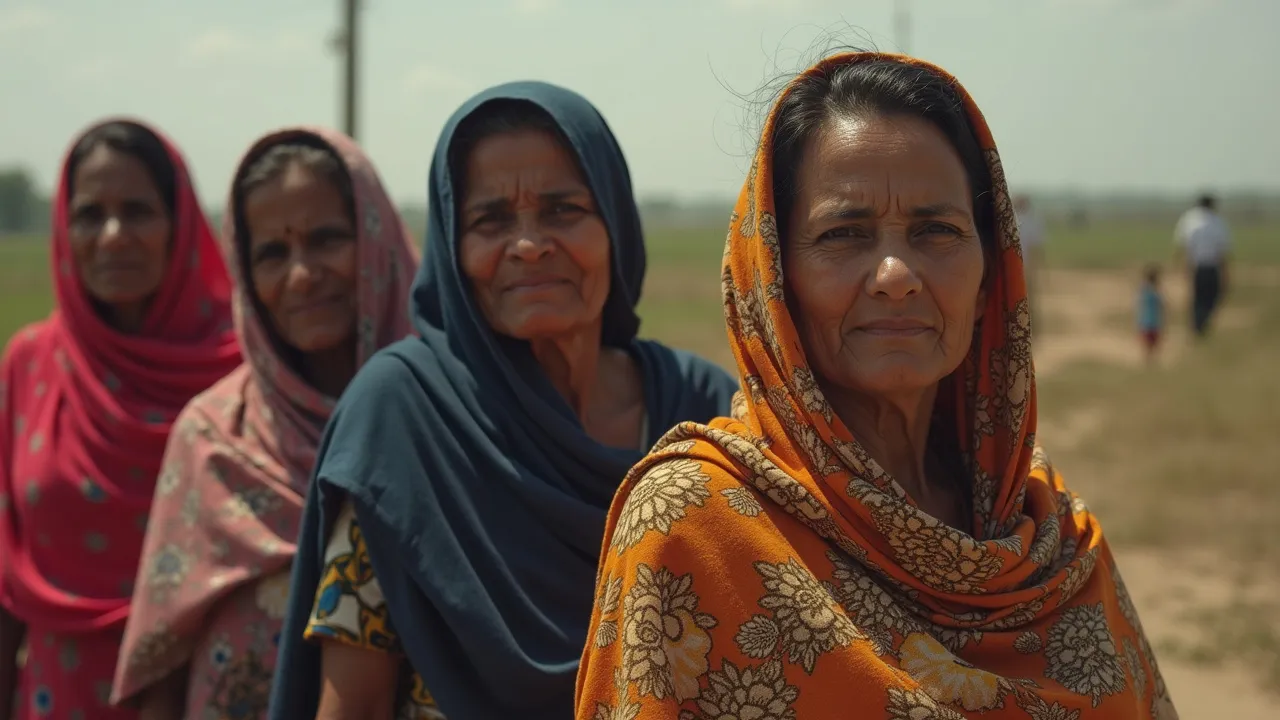
International Widows' Day, observed on June 23rd, highlights the struggles and rights of widows worldwide. Established by the Loomba Foundation and adopted by the UN in 2011, it advocates for economic empowerment and social inclusion.
The Historical Origins & Evolutionary Journey
International Widows' Day, observed annually on June 23rd, is a global day of recognition and action for the estimated 258 million widows worldwide. Its origins trace back to the Loomba Foundation, a UK-based charity founded by Raj Loomba, whose mother became a widow at a young age. The foundation's relentless advocacy led to the United Nations General Assembly adopting a resolution on December 21, 2010, officially designating June 23rd as International Widows' Day. The first official UN observance took place in 2011.
The Foundational Catalyst
Raj Loomba's personal experience motivated him to address the systemic neglect of widows. In 1997, he launched the Loomba Foundation, which began raising awareness about the socio-economic marginalization of widows, especially in developing countries. The foundation highlighted issues such as lack of inheritance rights, forced eviction, social ostracism, and extreme poverty. By 2005, the foundation initiated a global campaign for a UN-recognized day, gathering support from governments, NGOs, and civil society.
The Legislative/Official Adoption
The UN resolution (A/RES/65/189) was co-sponsored by over 50 countries and passed unanimously. It recognized that "widows in many societies are particularly vulnerable to discrimination, deprivation, and human rights abuses" and called on member states to take action. The date June 23rd was chosen to coincide with the foundation's annual Widows' Day event, which had been held on that date since 2005. The official adoption marked a turning point, integrating widows' issues into the global development agenda.
Modern Global Legacy
Since 2011, International Widows' Day has grown into a movement. The UN, through UN Women, coordinates global campaigns, while grassroots organizations hold workshops, policy dialogues, and economic empowerment programs. The day now aligns with the Sustainable Development Goals (SDGs), particularly SDG 5 (Gender Equality) and SDG 1 (No Poverty). Key milestones include the launch of the Global Widows' Report and the Widows' Rights Charter in 2019. Despite progress, challenges persist: widows in conflict zones, those affected by HIV/AIDS, and older widows remain among the most marginalized.
How to Celebrate International Widows' Day
Celebrating International Widows' Day involves both awareness and action. Here is a definitive guide for individuals, communities, and organizations to make a meaningful impact.
For Individuals
- Educate Yourself: Read reports from UN Women or the Loomba Foundation about widows' rights. Share facts on social media using hashtags like #WidowsDay or #LeaveNoOneBehind.
- Donate: Contribute to charities that provide vocational training, microfinance, or legal aid to widows. Examples include the Loomba Foundation, Widows for Peace, and local women's shelters.
- Volunteer: Offer your skills—such as teaching financial literacy or providing pro bono legal advice—to organizations serving widows.
- Reach Out: Offer emotional support to widows in your community. Simple gestures like inviting them to social gatherings can combat isolation.
For Schools and Universities
- Organize Awareness Events: Host film screenings, panel discussions, or essay competitions on widows' issues.
- Integrate into Curriculum: Include widows' rights in gender studies or human rights courses. Assign projects that research local widow populations.
- Fundraising Drives: Collect funds for scholarships for widows' children or for widow-owned businesses.
For Corporations and NGOs
- Policy Advocacy: Lobby governments to implement inheritance laws that protect widows and ensure equal property rights.
- Economic Empowerment Programs: Launch skill-building workshops in partnership with local women's cooperatives. Provide interest-free micro-loans.
- Public Campaigns: Use corporate social responsibility (CSR) budgets to run media campaigns that challenge the stigma of widowhood.
- Global Events: Host virtual summits on June 23rd featuring widows as speakers, not just as beneficiaries.
Regional Traditions
While International Widows' Day is globally observed on June 23rd, some countries have adapted it with local flavors. In India, the day is marked by mass awareness rallies and temple ceremonies; in Kenya, community dialogues focus on property inheritance; in Nepal, widows participate in public processions to reclaim their identity. In Rwanda, the day is tied to post-genocide reconciliation efforts.
Global Impact: Statistics and Challenges
The scale of widowhood is staggering. According to UN Women, there are over 258 million widows globally, with nearly half living in poverty. In conflict-affected regions, the number surges. For example, in Syria, the civil war created over 1 million widows. In South Sudan, widows make up 30% of the female population. Widows often face multiple discrimination: age, gender, and marital status intersections.
Poverty and Land Rights
Research shows that widows are disproportionately poor. In many countries, they are evicted from their homes and lose access to land after their husband's death. A 2020 study in Bangladesh found that 80% of widows had no formal land title. This economic instability forces many into precarious labor or sex work. International Widows' Day highlights these injustices and calls for legal reforms.
Health and Well-being
Widows often suffer from poor mental and physical health due to stress and lack of access to healthcare. In sub-Saharan Africa, widow inheritance practices continue to fuel HIV transmission. The day draws attention to the need for targeted health programs, including counseling and HIV prevention.
Education of Children
A widow's children are more likely to drop out of school. Data from India shows that children in widow-headed households have a 40% lower enrollment rate. Empowerment programs that provide school supplies and scholarships are crucial. International Widows' Day mobilizes resources for such interventions.
Rights and Advocacy: Legal Frameworks
International law provides a framework for protecting widows' rights. The Convention on the Elimination of All Forms of Discrimination against Women (CEDAW) explicitly addresses widows in General Recommendation No. 27, which obliges states to eliminate discrimination against widows in areas of inheritance, property, and social protection. However, implementation remains weak.
National Law Reforms
Several countries have enacted reforms following advocacy on International Widows' Day. In Rwanda, the 2016 Succession Law granted widows equal inheritance rights. In Nepal, the 2019 Gender Equality Act criminalized discriminatory practices against widows. Yet in many regions, customary law overrides statutory law, leaving widows vulnerable.
The Widows' Rights Charter
Launched in 2019, the Widows' Rights Charter outlines 12 key demands, including social pensions, access to credit, and ending child marriage of widows. The charter is a tool for activists to hold governments accountable. International Widows' Day serves as an annual checkpoint for progress.
Role of the United Nations
UN Women leads the global campaign. Every year, the UN Secretary-General releases a statement calling for action. The day also features at the Commission on the Status of Women (CSW) sessions, where member states review progress. Despite these efforts, only 30% of countries have specific policies for widows.
Cultural Stigma: Breaking the Cycle
Cultural stigma is one of the most pervasive barriers widows face. In many societies, widowhood is considered a curse or a sign of bad luck. Widows are often forced to wear distinctive clothing, undergo humiliating rituals, and are excluded from social events. In parts of South Asia, widows are blamed for their husband's death and are subjected to isolation.
Harmful Practices
Practices like levirate marriage (forcing a widow to marry her husband's brother) and ghar-jamai (widow inheritance) persist in Africa and Asia. In Nigeria, widows are sometimes made to drink water used to wash their husband's corpse. International Widows' Day campaigns use media and community dialogue to challenge these norms.
Positive Change
Grassroots movements led by widows themselves are changing attitudes. In Uganda, the organization Widows Hope trains women to become community advocates. In India, the city of Vrindavan is home to thousands of widows who have formed self-help groups. The day amplifies these success stories, showing that stigma can be overcome.
Economic Empowerment: A Path to Dignity
Economic independence is critical for widows to escape poverty and violence. International Widows' Day promotes programs that provide vocational training, microfinance, and entrepreneurship opportunities.
Successful Models
The Loomba Foundation's program in Uttar Pradesh, India has trained over 10,000 widows in tailoring, handicrafts, and small business management. Similar initiatives in Afghanistan and Ethiopia have shown that with capital and training, widows can become breadwinners and community leaders. These programs often include childcare support to ensure participation.
Microfinance and Savings
Microfinance institutions tailored to widows have emerged. For example, Widows' Microfinance Bank in Kenya offers low-interest loans. However, barriers remain: many widows lack collateral or financial literacy. The day urges governments to include widows in national financial inclusion strategies.
Digital Inclusion
The digital divide affects widows disproportionately. Programs teaching mobile banking and online marketing are now part of empowerment efforts. International Widows' Day 2023 focused on "Digital Inclusion for Widows," highlighting the need for internet access and digital skills training.
Future Directions: Building a World That Supports Widows
Going forward, International Widows' Day will increasingly focus on intersectionality—addressing how widowhood affects women differently due to age, race, disability, and sexual orientation. The 2030 Agenda for Sustainable Development offers a roadmap: target 5.5 on women's full participation and target 1.4 on equal rights to economic resources are directly relevant.
Data Disaggregation
One major challenge is the lack of data on widows. Only a handful of countries collect census data on marital status. The day pushes for better data collection to inform policy. In 2024, the UN is launching a global survey on widows' well-being.
Inclusive Social Protection
Universal social pensions, health insurance, and childcare are essential. Countries like Brazil and South Africa have included widows in cash transfer programs. International Widows' Day celebrates these policies and calls for replication.
Amplifying Widows' Voices
Ultimately, the day is about giving widows a platform. Widows must be involved in designing programs and policies. The future of the observance lies in shifting from charity to rights-based approach, where widows are agents of change, not just recipients of aid.
Historical Timeline
Raj Loomba founds the Loomba Foundation to highlight the plight of widows worldwide, starting a campaign for a UN-recognized day.
The Loomba Foundation holds the first global Widows' Day event on June 23rd, gathering support from governments and NGOs.
United Nations General Assembly adopts Resolution A/RES/65/189, officially designating June 23rd as International Widows' Day.
First official UN observance of International Widows' Day, with events at UN headquarters and worldwide.
International Widows' Day aligns with the new Sustainable Development Goals (SDGs), particularly SDG 5 (Gender Equality) and SDG 1 (No Poverty).
Launch of the Widows' Rights Charter, outlining 12 key demands for legal and social reform.
10th anniversary of International Widows' Day; UN Women releases a global report on the status of widows.
Theme: 'Digital Inclusion for Widows' – highlighting the need for internet access and digital skills to empower widows economically.