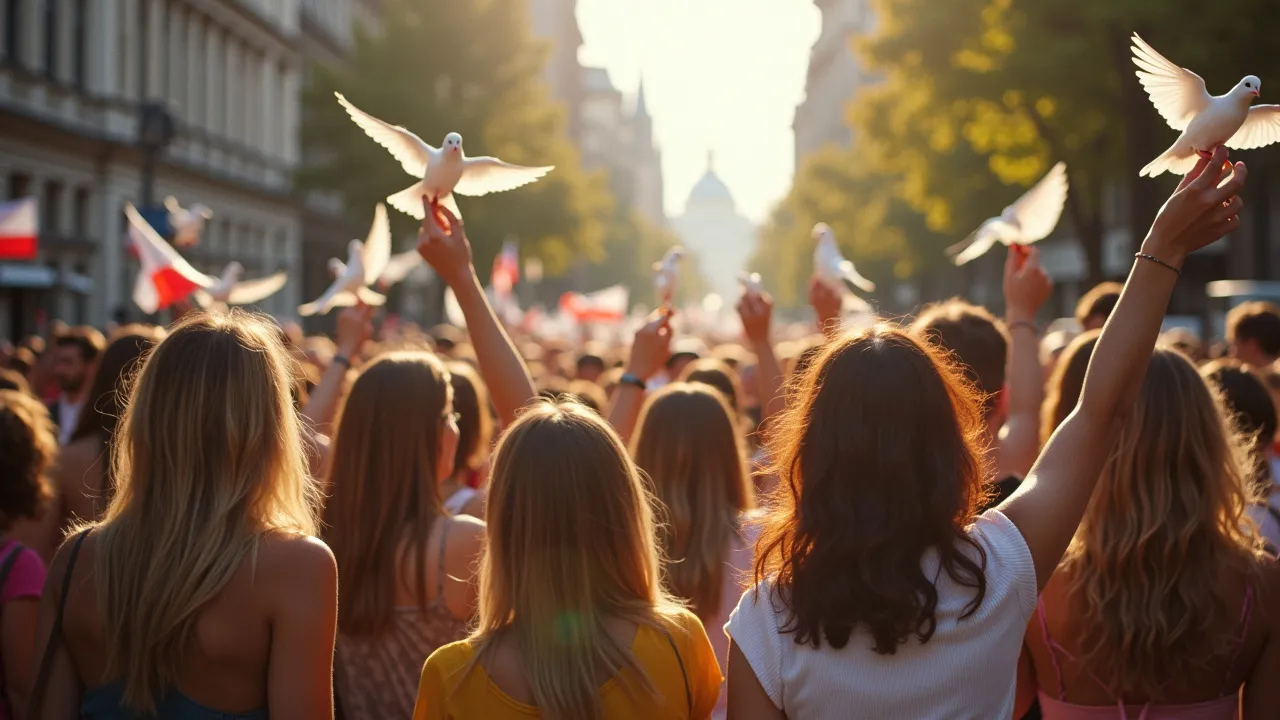
International Day of Peace, observed annually on September 21st, is a United Nations-sanctioned global ceasefire and non-violence day dedicated to strengthening the ideals of peace among all nations and peoples.
The Historical Origins & Evolutionary Journey
The Foundational Catalyst
The International Day of Peace was established by the United Nations General Assembly in 1981 through Resolution 36/37. The resolution declared that the day would be observed annually on the third Tuesday of September to coincide with the opening of the General Assembly's regular session. This timing was chosen to emphasize the centrality of peace in the UN's mission. The first official celebration took place on September 21, 1982, with a theme of "Peace and the Young" and a global youth focus.
The Legislative/Official Adoption
In 2001, the General Assembly adopted Resolution 55/282, which fixed the date of the International Day of Peace permanently on September 21st each year. This change moved away from the floating date in September and created a consistent global observance. The resolution also declared the day as a period of non-violence and ceasefire, encouraging all nations and people to cease hostilities for 24 hours. The first fixed-date observance occurred in 2002.
Modern Global Legacy
Since its inception, the day has grown into a major global event. The United Nations Peace Bell, cast from coins donated by children from 60 nations, is rung at UN Headquarters in New York each year. The bell bears the inscription: "Long live absolute world peace." Annual themes, such as "Sustainable Development Goals: Building Blocks for Peace" (2017) and "Shaping Peace Together" (2020), highlight evolving global challenges. The day now involves millions of participants through events, vigils, educational programs, and social media campaigns.
How to Celebrate International Day of Peace
The International Day of Peace offers a multitude of ways for individuals, communities, and organizations to participate in fostering peace. Below are actionable strategies across different spheres.
For Individuals
- Observe a minute of silence at noon to reflect on peace and non-violence.
- Practice acts of kindness such as volunteering, donating to peace-focused charities, or resolving a personal conflict.
- Light a candle in remembrance of victims of war and violence.
For Schools and Universities
- Organize peace education workshops focusing on conflict resolution, tolerance, and global citizenship.
- Hold a peace-themed art or essay contest to encourage creative expression.
- Facilitate interfaith or intercultural dialogues to promote understanding.
- Plant a peace pole in the schoolyard as a symbol of unity.
For Organizations and Businesses
- Declare a day of ceasefire in internal conflicts or competitive practices.
- Host a peace forum with guest speakers from peacebuilding organizations.
- Encourage employees to volunteer in community peacebuilding projects.
Global and Regional Traditions
In Japan, the day is marked by ringing the Peace Bell at the United Nations University in Tokyo. In South Africa, communities gather for peace walks and interfaith prayers. The United Nations itself holds a formal ceremony at its New York headquarters featuring the ringing of the Peace Bell, a moment of silence, and addresses by the Secretary-General and other dignitaries. Many countries also observe the day with ceasefires in active conflict zones, often negotiated through the UN's efforts.
Global Impact & Societal Themes
Peace as a Foundation for Development
The International Day of Peace underscores the critical link between peace and sustainable development. The United Nations Sustainable Development Goals (SDGs), particularly Goal 16: Peace, Justice and Strong Institutions, are directly aligned with the day's mission. Without peace, progress in education, health, and economic growth falters. The day amplifies calls for disarmament, conflict prevention, and inclusive societies.
Ceasefire: A 24-Hour Global Truce
One of the most impactful aspects of the day is the call for a global ceasefire. While not universally observed, it has led to temporary halts in hostilities in several conflicts. For example, in 2018, the UN mediated a three-day ceasefire in Yemen to allow for humanitarian aid deliveries. The ceasefire tradition highlights the possibility of dialogue and peaceful resolution.
Engaging Youth and Future Generations
The day places special emphasis on youth involvement. The UN Youth Envoy often spearheads campaigns encouraging young people to take action for peace. Schools worldwide integrate peace education into their curricula. The global "Peace Day Challenge" encourages students to design projects that promote peace in their local communities.
Cultural and Artistic Expressions of Peace
Peace Symbols and Their Meanings
The white dove carrying an olive branch is the most recognized peace symbol, originating from the biblical story of Noah and later popularized by Pablo Picasso's lithograph. The peace sign (☮) designed by Gerald Holtom in 1958 for the British nuclear disarmament movement is widely used. The peace flag with rainbow colors, inspired by the Italian peace march in 1961, often waves during observances.
Music and Performances
Concerts and musical performances are central to many celebrations. John Lennon's "Imagine" has become an anthem for the day. The United Nations Symphony Orchestra often performs a special concert. Local choirs, drum circles, and dance troupes contribute to the vibrant global tapestry.
Visual Arts and Installations
Museums and galleries host peace-themed exhibitions. Public installations like "The Peace Wall" in Los Angeles invite passersby to write messages of peace. Graffiti artists in cities like Berlin create murals that transform walls into messages of unity.
Peace in the Digital Age: Online Activism and Social Media
Social Media Campaigns
Hashtags such as #PeaceDay, #InternationalDayOfPeace, and #Ceasefire trend globally on September 21st. The UN encourages users to share their Peace Day activities using these tags. In 2020, the UN launched the #PeaceDayChallenge on TikTok, garnering millions of views.
Virtual Peace Events
Since the COVID-19 pandemic, virtual events have become prominent. Webinars with peace experts, online peace pledges, and live-streamed ceremonies enable global participation. The UN's own Peace Bell ceremony is broadcast live, reaching millions worldwide.
Digital Peace Education
Online platforms like SDG Academy and Peace One Day offer free courses on peacebuilding. The United Nations CyberSchoolBus provides educational materials for teachers. These resources make peace education accessible to all.
The Role of Governments and International Organizations
UN System-Wide Observance
All UN agencies, including UNICEF, UNDP, and UNESCO, mark the day with events and statements. The UN Peacekeeping department highlights the work of Blue Helmets in conflict zones. The World Health Organization often draws attention to the health consequences of war.
National Government Actions
Many countries issue official proclamations and hold state ceremonies. Some governments, like Colombia and Nepal, use the day to announce new peace initiatives or to advance peace negotiations. In 2022, the government of Ethiopia declared a unilateral ceasefire on Peace Day to facilitate humanitarian access in Tigray.
Civil Society and NGO Engagement
Non-governmental organizations such as the International Committee of the Red Cross, Amnesty International, and Peace One Day run campaigns that mobilize grassroots action. The Peace Bell in Hiroshima, Japan, is rung in collaboration with local peace groups.
Historical Timeline
UN General Assembly Resolution 36/37 establishes the International Day of Peace, to be observed on the third Tuesday of September.
First observance of the International Day of Peace with the theme 'Peace and the Young'.
UN General Assembly Resolution 55/282 fixes the date as September 21st each year, starting in 2002, and designates it as a day of ceasefire and non-violence.
First observance on fixed date September 21st. The UN Peace Bell is rung at headquarters.
The UN Secretary-General calls for a global ceasefire, with limited success in Syria and other conflicts.
Theme: 'Together for Peace: Respect, Safety and Dignity for All' focusing on refugees and migrants.
Theme: 'Shaping Peace Together' with a strong emphasis on COVID-19 recovery and global solidarity.
Theme: 'End Racism. Build Peace.' highlighting the link between racial justice and peace.