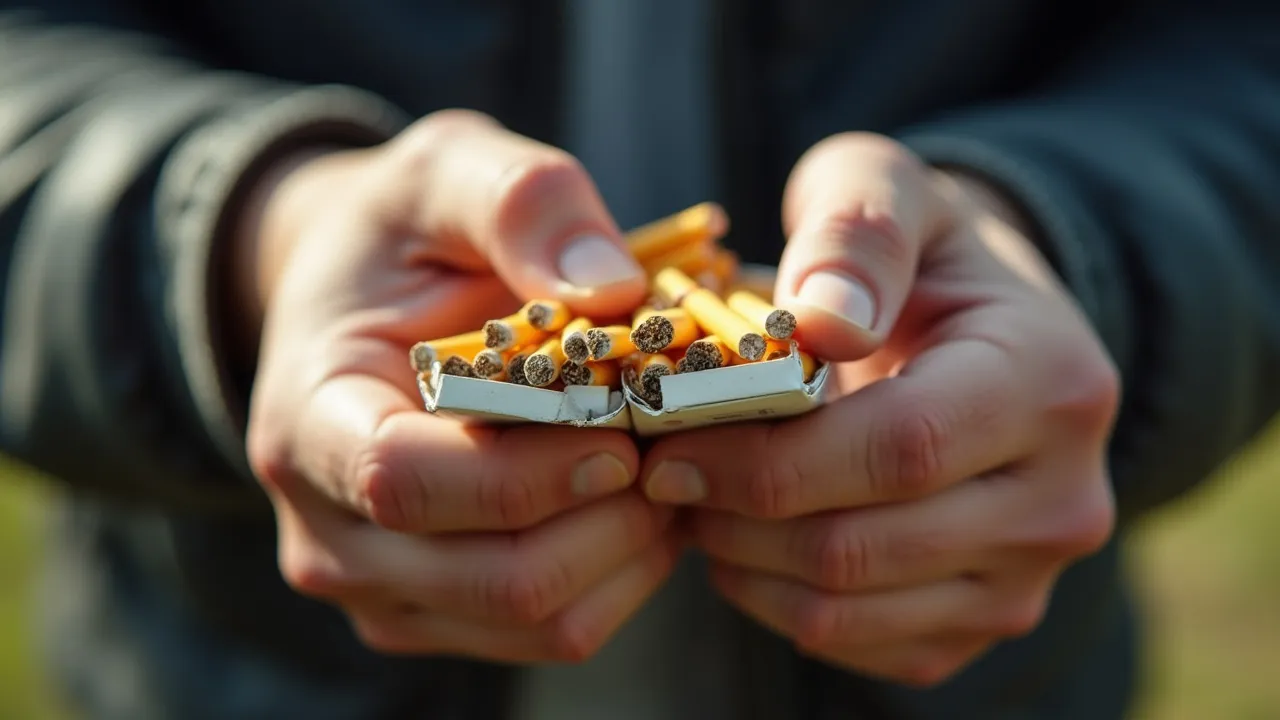
The Great American Smokeout, held annually on the third Thursday of November, encourages smokers to quit for a day and beyond. Organized by the American Cancer Society since 1977, it promotes health, community support, and cessation resources.
The Historical Origins & Evolutionary Journey
The Great American Smokeout has its roots in the early 1970s, a time when the devastating health effects of smoking were becoming undeniable. The event was first conceived by Lynn R. Smith, a high school guidance counselor in Randolph, Massachusetts, who in 1974 organized a "Smokeout" where students pledged to quit smoking for one day. This grassroots effort caught the attention of the American Cancer Society (ACS), which adopted and nationalized the concept in 1977. The first official Great American Smokeout took place on November 17, 1977, and has since become a cornerstone of tobacco control advocacy.
The Foundational Catalyst
The early 1960s laid the groundwork for the Smokeout. In 1964, U.S. Surgeon General Luther Terry released a landmark report unequivocally linking smoking to lung cancer and other diseases. This report spurred a wave of public health campaigns and legislative actions. By the 1970s, smoking rates were high—over 40% of American adults smoked—but the tide was beginning to turn. The Smokeout emerged as a positive, community-driven alternative to fear-based messaging, focusing on collective action and support.
The Legislative/Official Adoption
The ACS quickly recognized the potential of the Smokeout and began promoting it nationwide. In 1977, the event was officially launched with the slogan "Quit for a Day" and widespread media coverage. Over the years, the Smokeout gained official recognition from state and local governments, with many issuing proclamations. In 1989, the ACS expanded the event to include a focus on smokeless tobacco. The Smokeout also influenced policy: it was often used as a platform to advocate for smoking bans, tobacco taxes, and restrictions on advertising. By the 1990s, the event had become a global inspiration, with similar initiatives in Canada, Australia, and Europe.
Modern Global Legacy
Today, the Great American Smokeout is part of a broader movement toward a tobacco-free world. While U.S. smoking rates have dropped to around 12% (as of 2023), the Smokeout continues to evolve. It now incorporates digital tools like quitline apps, social media campaigns, and virtual support groups. The ACS partners with employers, healthcare systems, and schools to maximize reach. The event also highlights disparities: it addresses higher smoking rates among certain populations, such as LGBTQ+ communities and those with mental health conditions. The Smokeout’s legacy is one of resilience and hope, proving that one day of commitment can lead to lifelong change.
For further reading, see the ACS official page.
How to Celebrate Great American Smokeout
The Great American Smokeout is a day of action, encouragement, and support for anyone seeking to quit tobacco. Below are comprehensive strategies for individuals, communities, and organizations to participate meaningfully. These approaches are designed to maximize the impact of this single day, potentially sparking long-term cessation.
For Individuals: Personal Action Plan
- Set a Quit Date: Choose the third Thursday of November as your kickoff. Write it down and tell friends and family for accountability.
- Prepare Ahead: In the week before, remove all tobacco products, lighters, and ashtrays from your home, car, and workplace. Stock up on nicotine replacement therapy (NRT) like gum, patches, or lozenges, or consult your doctor about prescription medications such as varenicline or bupropion.
- Build a Support Network: Identify a quit buddy—someone who will also quit or support you. Join online forums like BecomeAnEX.org or call 1-800-QUIT-NOW for free coaching.
- Plan for Cravings: Create a list of distractions: go for a walk, chew sugarless gum, practice deep breathing, or call a friend. Keep your hands busy with a stress ball or fidget spinner.
- Celebrate Milestones: Reward yourself at 24 hours, 1 week, and 1 month with non-tobacco treats like a movie night, a massage, or a new hobby. Track savings: a pack-a-day smoker saves over $2,500 per year.
For Communities & Organizations: Group Activities
- Workplace Wellness: Employers can host a "Quit & Win" contest with prizes, provide free NRT samples, and offer paid time off for counseling sessions. Set up a designated "smoke-free zone" and promote the day through emails and posters.
- Schools: Educational assemblies with former smokers, art contests on tobacco-free lives, and peer mentoring programs. Encourage students to sign a pledge wall.
- Healthcare Providers: Clinics can offer free cessation consultations, lung function tests, and referrals to quitlines. Host a community health fair on the third Thursday.
- Faith-Based Groups: Incorporate tobacco awareness into sermons or wellness ministries. Organize group walks or prayer circles for those quitting.
Global Traditions & Cultural Adaptations
While the Smokeout is primarily U.S.-focused, its principles have inspired international variants. In Canada, the "National Non-Smoking Week" includes a similar day in January. Australia holds "Quit for Good" events. The World Health Organization’s World No Tobacco Day (May 31) complements the Smokeout. In many countries, the third Thursday of November serves as a rallying point for anti-tobacco campaigns, especially in schools and workplaces.
Regardless of location, the core message is universal: every cigarette avoided is a victory. Use the Smokeout as a catalyst for change.
Global Impact & Societal Transformation
The Great American Smokeout has had far-reaching effects beyond individual cessation. It has helped reshape public perception of smoking from a glamorous and socially acceptable habit to a dangerous addiction. The event’s success is measured not only in the millions who have attempted to quit but also in the cultural and legislative shifts it has inspired.
Reduction in Smoking Prevalence
Since the first Smokeout, adult smoking rates in the U.S. have plummeted from over 40% in the 1970s to about 11.5% in 2022. While multiple factors contributed, the Smokeout played a key role in de-normalizing smoking and providing a structured opportunity to quit. Studies show that population-level quit attempts spike around the event, and those who participate are more likely to succeed.
Legislative and Policy Changes
The Smokeout has been a platform for advocacy. Over the years, it has coincided with major victories: the 1998 Master Settlement Agreement (MSA) with tobacco companies, the 2009 Family Smoking Prevention and Tobacco Control Act (giving FDA authority over tobacco), and numerous state-level smoking bans in public places. The event’s visibility pressures lawmakers to act.
Economic Benefits
Tobacco use costs the U.S. over $300 billion annually in healthcare expenses and lost productivity. Each Smokeout contributes to reducing that burden. For individuals, quitting saves an average of $2,000–$4,000 per year. For employers, a smoke-free workforce means lower insurance premiums, fewer sick days, and higher productivity.
Addressing Health Disparities
The Smokeout increasingly focuses on populations with higher smoking rates, such as Native American, African American, and LGBTQ+ individuals. Tailored campaigns provide culturally relevant resources and highlight social determinants of health. The event also addresses vaping and e-cigarette use among youth.
In summary, the Great American Smokeout is more than a day—it's a movement that has saved lives, influenced policy, and spurred a global conversation on tobacco control.
Smoking Cessation: Methods & Science
Quitting smoking is a complex process, but evidence-based methods significantly increase success rates. The Great American Smokeout provides an ideal starting point. Below is a comprehensive overview of cessation techniques, supported by research and clinical guidelines.
Nicotine Replacement Therapy (NRT)
NRT delivers controlled doses of nicotine without the harmful toxins in tobacco smoke. Options include patches (steady dose through skin), gum (fast-acting for cravings), lozenges, inhalers, and nasal sprays. Clinical trials show NRT doubles quit rates. Combination therapy (patch plus gum) can be even more effective.
Prescription Medications
- Varenicline (Chantix): Reduces cravings and blocks nicotine’s pleasurable effects. Typical course is 12 weeks. Side effects may include nausea and vivid dreams.
- Bupropion (Zyban, Wellbutrin): An antidepressant that curbs withdrawal symptoms. Often used as a second-line option. Avoid if seizure history.
Behavioral Support
Counseling—whether individual, group, or telephone—boosts success. The U.S. national quitline (1-800-QUIT-NOW) provides free, confidential coaching. Mobile apps like Smokefree.gov offer 24/7 support. Cognitive-behavioral techniques help manage triggers.
Alternative Approaches
Acupuncture, hypnosis, and herbal remedies have limited evidence but some find them helpful. The key is to combine them with proven methods. Exercise and mindfulness also reduce cravings.
The quit rate for unassisted attempts is about 4–7%; with professional help, it rises to 25–30%. Use the Smokeout to access resources and increase your odds.
Health Benefits Timeline After Quitting
Understanding the rapid health improvements after quitting can motivate smokers during the Smokeout. The body begins healing almost immediately. Below is a timeline of benefits, adapted from the American Cancer Society and CDC.
- Within 20 minutes: Heart rate and blood pressure drop to normal levels.
- Within 12 hours: Carbon monoxide level in blood returns to normal, improving oxygen delivery.
- Within 2 weeks to 3 months: Circulation improves, lung function increases, and exercise becomes easier.
- Within 1 to 9 months: Cilia in the lungs regrow, reducing infection risk; coughing and shortness of breath decrease.
- Within 1 year: Risk of coronary heart disease is halved compared to a smoker’s risk.
- Within 5 years: Risk of stroke reduces to that of a non-smoker. Risks of mouth, throat, esophageal, and bladder cancers decline by half.
- Within 10 years: Lung cancer risk is about half that of a continuing smoker. Risk of other cancers (pancreas, kidney) also drops.
- Within 15 years: Risk of heart disease equals that of a non-smoker.
These benefits underscore why the Smokeout’s message of quitting for even one day can lead to life-saving changes.
The Role of Media & Technology in the Smokeout
Media and technology have amplified the impact of the Great American Smokeout over the decades. From traditional TV spots to viral social media campaigns, the event has adapted to reach new generations.
Historical Media Campaigns
In the 1970s and 1980s, the ACS used public service announcements (PSAs) featuring celebrities like Yul Brynner and later the iconic "Quit for a Day" jingle. These PSAs often ran on Thanksgiving Eve, the evening before the Smokeout. The event also garnered news coverage, with local stations showing community quit-agories.
Digital Transformation
Today, the Smokeout leverages websites, apps, and social media. The ACS runs a dedicated website with countdown clocks, quit planners, and success stories. Twitter hashtags like #GreatAmericanSmokeout trend annually. Facebook Live events host expert Q&As. Text-messaging programs (e.g., SmokefreeTXT) deliver daily motivation.
Apps and Gamification
Apps such as QuitNow!, Smoke Free, and Kwit track progress, calculate money saved, and provide community forums. Gamification elements (badges, leaderboards) increase engagement. The Smokeout often partners with these apps to offer special challenges and rewards.
Technology has made cessation support accessible 24/7, removing barriers of time and geography. The Smokeout serves as a launch point for digital tools that can sustain quitting.
Frequently Asked Questions About the Great American Smokeout
This section addresses common queries to help participants and organizers fully understand the event. For more details, visit ACS Great American Smokeout page.
When is the Great American Smokeout?
It occurs annually on the third Thursday of November. For 2025, that is November 20.
Who started the Great American Smokeout?
The American Cancer Society launched it nationally in 1977, inspired by a local event organized by Lynn R. Smith in Massachusetts in 1974.
Do I have to quit for good on that day?
No, the goal is to quit for at least 24 hours. Many use it as a springboard for permanent cessation.
Is there a cost to participate?
No, participation is free. Some resources like NRT may have costs, but free quitlines and apps are available.
Can I celebrate if I don't smoke?
Yes, you can support friends and family, organize workplace events, or advocate for tobacco-free policies.
What if I relapse?
Relapse is common. Use the Smokeout as a new start. Many quitters succeed after multiple attempts.
Are e-cigarettes allowed in the Smokeout?
The event encourages quitting all tobacco and nicotine products, including e-cigarettes. Resources address vaping cessation.
How can my school or workplace get involved?
Contact the ACS for toolkits. They provide posters, planning guides, and digital assets.
Historical Timeline
U.S. Surgeon General Luther Terry releases the first major report linking smoking to lung cancer and heart disease, sparking public health campaigns.
Lynn R. Smith, a guidance counselor in Randolph, Massachusetts, organizes the first local "Smokeout" event, asking students to quit for a day.
The American Cancer Society adopts the concept and holds the first national Great American Smokeout on November 17. Roughly 1 million smokers participate.
The ACS expands the event to include smokeless tobacco and introduces the "Quit for a Day" theme with widespread media coverage.
The Master Settlement Agreement between U.S. states and tobacco companies restricts advertising and funds anti-smoking campaigns, coinciding with the Smokeout.
The Family Smoking Prevention and Tobacco Control Act gives the FDA authority to regulate tobacco products. The Smokeout highlights this milestone.
The ACS launches a digital-first campaign for the Smokeout, featuring a mobile app, social media challenges, and online quit guides.
U.S. adult smoking rate falls to a record low of 11.5%. The Great American Smokeout continues to evolve, addressing vaping and disparities.