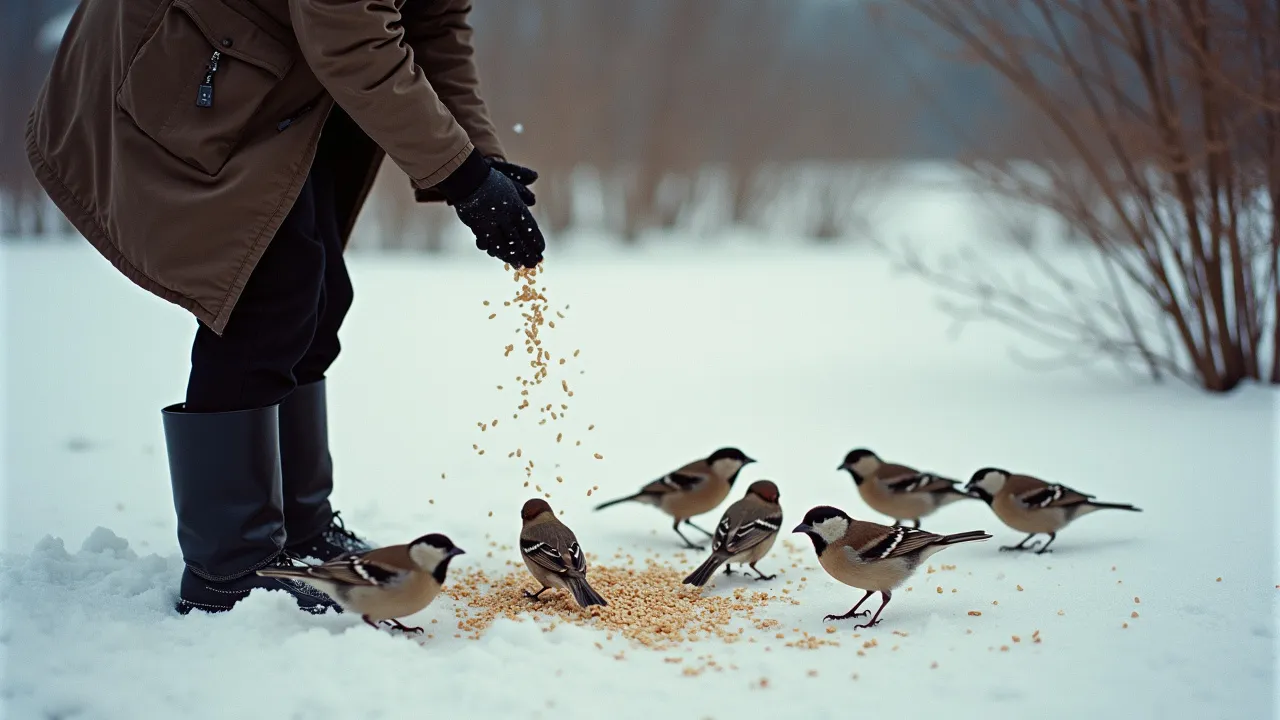
Feed the Birds Day on February 3rd encourages people to provide food and water for wild birds, especially during harsh winter months. Learn the history, how to participate, and the environmental benefits of this global observance.
The Historical Origins & Evolutionary Journey
Feed the Birds Day is an annual observance dedicated to providing supplemental food and water for wild birds, particularly during the winter period when natural food sources are scarce. While the exact origins are rooted in centuries-old traditions of backyard bird feeding, the modern, organized celebration began in the early 2000s through the efforts of leading ornithological societies.
The Foundational Catalyst
The practice of feeding wild birds has ancient roots, but it became widely popular in the Victorian era in Europe and North America as a form of natural observation and philanthropy. By the late 20th century, conservationists recognized that winter feeding could significantly reduce bird mortality. In 2000, the Royal Society for the Protection of Birds (RSPB) in the United Kingdom launched a coordinated awareness day called "Feed the Birds Day" to encourage the public to provide appropriate food and habitats. This initiative quickly spread to other countries, including the United States, where the National Audubon Society and local birding groups adopted similar campaigns.
The Legislative/Official Adoption
In the United States, February is designated as National Bird Feeding Month, and February 3rd emerged as a focal point for action. While never an official public holiday, numerous state wildlife agencies and non-profits officially endorse the day. In the UK, the RSPB's "Feed the Birds Day" typically falls in late January or early February, aligning with the peak of winter hardship. Over time, the observance has been codified into educational calendars and conservation programs worldwide.
Modern Global Legacy
Today, Feed the Birds Day is celebrated across many continents, from Europe and North America to Australia and New Zealand, where the seasons are reversed. The day has evolved from a simple act of scattering seeds to a comprehensive event that includes habitat restoration, citizen science projects, and public policy advocacy. Social media campaigns like #FeedTheBirdsDay have amplified participation, creating a global community of bird enthusiasts who share tips, photos, and data.
How to Celebrate Feed the Birds Day
Participating in Feed the Birds Day is simple and deeply rewarding. Below is a comprehensive guide for individuals, families, schools, and organizations to make the most of the observance.
For Individuals and Families
- Choose the Right Food: Offer a variety of seeds, such as black-oil sunflower seeds, millet, and nyjer. Avoid bread, as it offers little nutritional value and can cause health issues. Suet cakes and mealworms are excellent high-energy options.
- Provide Fresh Water: Birds need water for drinking and bathing, even in winter. Use a heated birdbath or regularly change water to prevent freezing.
- Create Shelter: Place feeders near shrubs or trees to give birds a quick escape from predators. Consider adding a brush pile or installing nest boxes.
- Practice Hygiene: Clean feeders and birdbaths weekly with a diluted bleach solution to prevent the spread of diseases like salmonella and avian pox.
- Record Observations: Participate in citizen science by logging your sightings on platforms like eBird or Project FeederWatch.
For Schools and Educational Groups
- Organize a Bird Watch: Set up a feeder outside the classroom and have students identify species using field guides or apps.
- Craft Biodegradable Feeders: Use pinecones coated with peanut butter and rolled in birdseed, or orange halves filled with suet.
- Host a Guest Speaker: Invite a local ornithologist or wildlife rehabilitator to discuss bird ecology and conservation.
- Launch a Fundraiser: Collect donations for a bird sanctuary or purchase feeders for a local park.
For Organizations and Communities
- Coordinate a Community Feed: Partner with parks departments to fill multiple feeders in public greenspaces.
- Hold a Seed Swap: Encourage neighbors to exchange different types of birdseed.
- Advocate for Native Plants: Promote planting native shrubs and trees that provide natural food and shelter.
In different regions, celebrations adapt to local climates and species. In the UK, participants often focus on garden birds like robins and blue tits. In the US, backyard feeders attract cardinals, chickadees, and finches. In Australia, citizens feed lorikeets and honeyeaters with specialized nectar blends. Always research safe feeding practices for your local avian fauna.
Global Impact and Environmental Significance
Feeding wild birds has far-reaching ecological and social impacts. While the primary goal is to help birds survive winter, the ripple effects extend to conservation awareness, scientific research, and public health.
Ecological Benefits
Supplemental feeding reduces natural mortality during extreme weather events, supporting local bird populations that may be declining due to habitat loss. Healthy bird populations help control insect pests and disperse seeds, maintaining ecosystem balance. Additionally, well-maintained feeders can serve as “refueling stations” for migratory species, aiding their long journeys.
Citizen Science Contributions
Feed the Birds Day has boosted participation in large-scale monitoring projects. For example, the RSPB's Big Garden Birdwatch, often held on the same weekend, collects data from hundreds of thousands of volunteers. This data informs conservation policies and tracks population trends. The eBird platform, managed by the Cornell Lab of Ornithology, has recorded billions of observations, with spikes on Feed the Birds Day.
Economic and Social Value
The bird feeding industry is a multi-billion-dollar sector, supporting jobs in manufacturing, retail, and publishing. Beyond economics, feeding birds provides mental health benefits: studies show that watching birds reduces stress and fosters a connection with nature. Community feeding events also strengthen social bonds and promote environmental stewardship across generations.
Best Practices for Ethical Bird Feeding
To maximize benefits and minimize risks, follow these science-backed guidelines endorsed by ornithologists:
- Food Quality: Use fresh, high-quality seed mixes without fillers like red millet or cracked corn, which many birds ignore. Avoid mixed feeds with large amounts of sunflower hearts, as they spoil quickly.
- Feeder Placement: Position feeders at least 10 feet from windows to prevent collisions. Install baffles to deter squirrels and predators like cats.
- Seasonal Adjustments: In summer, reduce feeding to prevent dependency, but continue offering water. In winter, increase high-fat foods like suet.
- Disease Prevention: Clean feeders every two weeks, more often during wet weather. Remove old or moldy seed immediately.
- Native Plants: Complement feeders by planting native species that produce berries, seeds, or nectar. This supports birds without artificial reliance.
Controversies exist, such as whether feeding alters migration or promotes disease transmission. Most evidence suggests that controlled, responsible feeding is beneficial, but always check local wildlife guidelines. In some regions, feeding certain species (like waterfowl) may be discouraged due to overpopulation or environmental damage.
The Role of Community and Education
Feed the Birds Day is as much about education as it is about action. Schools, nature centers, and conservation groups use the day to teach ecological literacy and inspire future conservationists.
School Programs
Many schools integrate the day into their science curriculum, covering topics like bird anatomy, food webs, and phenology. Students often create feeders from recycled materials, learning about reuse while helping birds. Some districts host “Bird Math” activities, tallying species counts and graphing results.
Public Workshops
Libraries and community centers offer workshops on identifying local birds, making feeders, and understanding migration. These events attract diverse audiences, from families to retirees, fostering intergenerational learning.
Corporate Partnerships
Companies sponsor feeder installations in urban parks or donate birdseed to food banks (for human consumption, though sometimes for bird-related charities). Employee volunteer days often align with the observance, promoting team building and corporate social responsibility.
The educational impact extends beyond the day itself: many participants continue feeding year-round and become advocates for bird-friendly policies, such as keeping cats indoors or reducing pesticide use.
Future of Bird Conservation and Feed the Birds Day
As the world faces climate change and habitat loss, the role of community-driven conservation becomes critical. Feed the Birds Day is evolving to address these challenges.
Technology Integration
AI-powered bird identification apps like Merlin Bird ID and smart feeders that monitor species and transmit data in real time are making participation more interactive. These tools help researchers track shifts in distribution and behavior due to climate change.
Policy Advocacy
Organizations now use the day to mobilize support for legislation that protects migratory birds, such as the Migratory Bird Treaty Act in the US, or to oppose harmful practices like window collisions and light pollution.
Global Expansion
While the day originated in temperate regions, tropical countries are adopting the concept to support endemic species and ecotourism. For instance, in Costa Rica, Feed the Birds Day promotes responsible feeding of toucans and hummingbirds while discouraging invasive species.
Ultimately, Feed the Birds Day represents a hopeful shift toward active, participatory conservation. By combining traditional practices with modern technology and policy, it ensures that future generations can enjoy the beauty and benefits of wild birds.
Historical Timeline
The Royal Society for the Protection of Birds (RSPB) in the UK launches the first organized 'Feed the Birds Day' to encourage winter bird feeding and raise awareness about garden bird conservation.
The National Audubon Society in the United States partners with seed companies to promote 'National Bird Feeding Month' in February, with February 3rd gaining prominence as a focal point.
The Cornell Lab of Ornithology launches Project FeederWatch, a citizen science program that encourages participants to record feeder visits, providing valuable data that peaks on Feed the Birds Day.
Social media campaigns begin using the hashtag #FeedTheBirdsDay, amplifying participation globally. Thousands of photos and tips are shared across platforms.
A study published in 'Biological Conservation' confirms that supplemental feeding during winter reduces mortality in many species, validating the ecological importance of the observance.
The RSPB's Big Garden Birdwatch sets a record with over 500,000 participants, many citing Feed the Birds Day as their motivation to start birdwatching.
Smart feeders with AI identification become commercially available, allowing enthusiasts to automatically log species and contribute to real-time research networks.
Feed the Birds Day expands to over 30 countries, with official events in Canada, Australia, Brazil, and South Africa. The day now includes habitat restoration projects and policy advocacy.