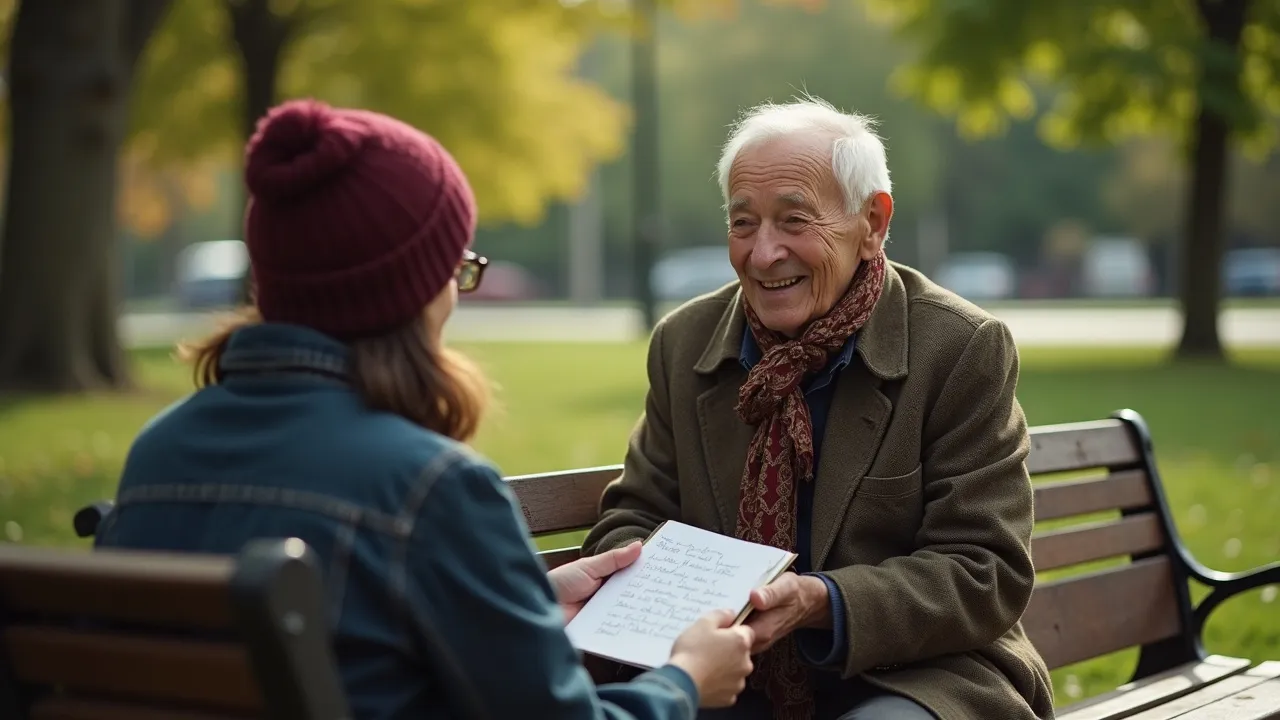
Celebrated on July 11th, Cheer Up the Lonely Day encourages people to reach out to those feeling isolated. It's a day to spread kindness, companionship, and combat loneliness through simple, heartfelt actions.
The Historical Origins & Evolutionary Journey
Cheer Up the Lonely Day was founded in 2001 by Caren M. G., a Michigan resident who recognized the pervasive yet often invisible pain of loneliness in modern society. Inspired by her own experiences and observations of isolated neighbors, she designated July 11th as a day to deliberately reach out to those who might be feeling alone.
The Foundational Catalyst
In the early 2000s, societal shifts—including increased mobility, aging populations, and the rise of digital communication—were beginning to fragment traditional social bonds. Caren noticed that many people, especially the elderly and newcomers in communities, lacked regular human connection. She believed that a simple act of kindness, like a phone call or a shared meal, could transform someone's day. The day was first celebrated informally among her local community, gaining traction through word-of-mouth and grassroots efforts.
The Official Adoption
While Cheer Up the Lonely Day has never been federally recognized, it has been embraced by various organizations, senior centers, schools, and mental health advocates. It appears on many unofficial holiday calendars and is promoted by kindness-focused campaigns. The day's official recognition remains voluntary, but its message resonates universally.
Modern Global Legacy
Today, Cheer Up the Lonely Day is observed in multiple countries, including the United States, Canada, the United Kingdom, and Australia. It aligns with broader movements to combat loneliness, such as the UK's Campaign to End Loneliness and Japan's "Kodokushi" awareness efforts. The day has evolved from a simple reminder to a call for systemic change, encouraging communities to build more inclusive social structures.
How to Celebrate Cheer Up the Lonely Day
Cheer Up the Lonely Day is about intentional connection. Below are actionable strategies for individuals, schools, and organizations to make a meaningful impact.
For Individuals
- Reach Out – Call, text, or visit a friend or family member you haven't spoken to in a while. Even a short conversation can brighten their day.
- Volunteer – Spend time at a local senior center, nursing home, or hospital. Offer to read, play games, or simply listen.
- Write a Letter – Handwritten notes carry personal warmth. Send one to someone living alone or serving in the military.
- Share a Meal – Invite a neighbor or coworker for coffee or lunch. Shared meals foster connection.
For Schools
- Buddy Programs – Pair students with peers who seem isolated. Organize activities that encourage inclusion.
- Kindness Challenges – Create a week-long campaign where students perform random acts of kindness, documented on a bulletin board.
- Intergenerational Events – Partner with local senior homes for joint art projects or storytelling sessions.
For Organizations
- Employee Check-Ins – Managers can hold one-on-one meetings focused on well-being, not just productivity.
- Community Outreach – Sponsor a free community meal or a "loneliness awareness" booth at local events.
- Social Prescribing – Healthcare providers can refer patients to community groups or befriending services.
In different cultures, traditions vary. In Japan, the day is often marked by “teinei” (polite kindness), such as offering help without being asked. In the UK, community centers host “tea and talk” events. In Brazil, people gather in public squares for group conversations. The universal theme remains: see, acknowledge, and include.
The Psychology of Loneliness
Loneliness is not simply being alone; it is the subjective feeling of disconnection. Research indicates it can be as harmful as smoking 15 cigarettes a day, increasing risks of depression, heart disease, and cognitive decline. Understanding its psychology helps inform effective interventions.
Key Findings
- Social vs. Emotional Loneliness – Social loneliness stems from a lack of a wider social network; emotional loneliness arises from the absence of a close, intimate bond.
- Biological Impact – Chronic loneliness elevates cortisol levels, impairing immune function and accelerating aging.
- Vicious Cycle – Lonely individuals often become more socially anxious and withdraw further, deepening isolation.
Interventions that focus on cognitive reframing and social skill building are particularly effective. Cheer Up the Lonely Day leverages simple, low-threshold actions to break this cycle.
Loneliness in the Digital Age
While digital platforms promise connection, they often exacerbate loneliness. Social media can create an illusion of engagement while reducing face-to-face interaction. However, technology can also be part of the solution.
Positive Uses
- Video Calls – Platforms like Zoom or FaceTime allow for visual cues that reduce isolation.
- Online Communities – Forums for niche hobbies or support groups can build meaningful bonds.
- Apps for Kindness – Apps like “Be My Eyes” connect volunteers with visually impaired people for real-time assistance.
Cheer Up the Lonely Day encourages people to use technology intentionally—for quality interactions rather than passive scrolling. A simple voice memo or a scheduled call can feel more personal than a text.
Corporate and Community Initiatives
Many organizations now incorporate loneliness alleviation into their CSR (Corporate Social Responsibility) programs. Cheer Up the Lonely Day provides a focal point for such efforts.
Examples
- Employee Wellness Programs – Companies like Salesforce have “buddy systems” that pair remote workers with in-office mentors.
- Community Partnerships – Starbucks funds community stores with seating designed to encourage conversation.
- Public Awareness Campaigns – The UK's “Let's Talk Loneliness” campaign runs ads during key holidays, including July 11th.
These initiatives not only help individuals but also build brand loyalty and employee satisfaction. Measuring impact through surveys and participation rates ensures continuous improvement.
Global Perspectives on Loneliness
Loneliness is a global issue, but its manifestations and solutions vary culturally. Understanding these differences enriches the observance of Cheer Up the Lonely Day.
Regional Variations
- Japan – High rates of kodokushi (lonely deaths) have led to government-funded “loneliness ministers” and community salons where elderly gather for tea.
- Sweden – The concept of lagom (moderation) extends to social life, with structured activities like “walking groups” for retirees.
- India – Strong family networks historically mitigated loneliness, but urbanization is weakening these ties. NGOs now run “adoption” programs for isolated seniors.
- United States – Individualistic culture often makes loneliness a private struggle. Initiatives like “The Dinner Party” connect young adults who have experienced loss.
Cheer Up the Lonely Day adapts to these contexts: in Japan, it may involve formal introductions; in Sweden, group nature outings; in India, communal cooking events.
Historical Timeline
Cheer Up the Lonely Day is founded by Caren M. G. in Michigan, USA, with the first informal celebrations among family and friends.
The day gains media attention through local newspapers and community radio, leading to broader adoption in senior centers and churches.
Social media campaigns using #CheerUpTheLonely begin trending, with participants sharing photos of their kind acts.
The UK's Campaign to End Loneliness officially endorses the day, promoting cross-organizational events.
Japan's Ministry of Loneliness hosts its first official event on July 11th, integrating it into national policies.
During the COVID-19 pandemic, the day sees a surge in virtual gatherings, online check-ins, and neighborhood window displays.
The United Nations mentions the day in a report on social isolation, recognizing it as a grassroots model for mental health advocacy.