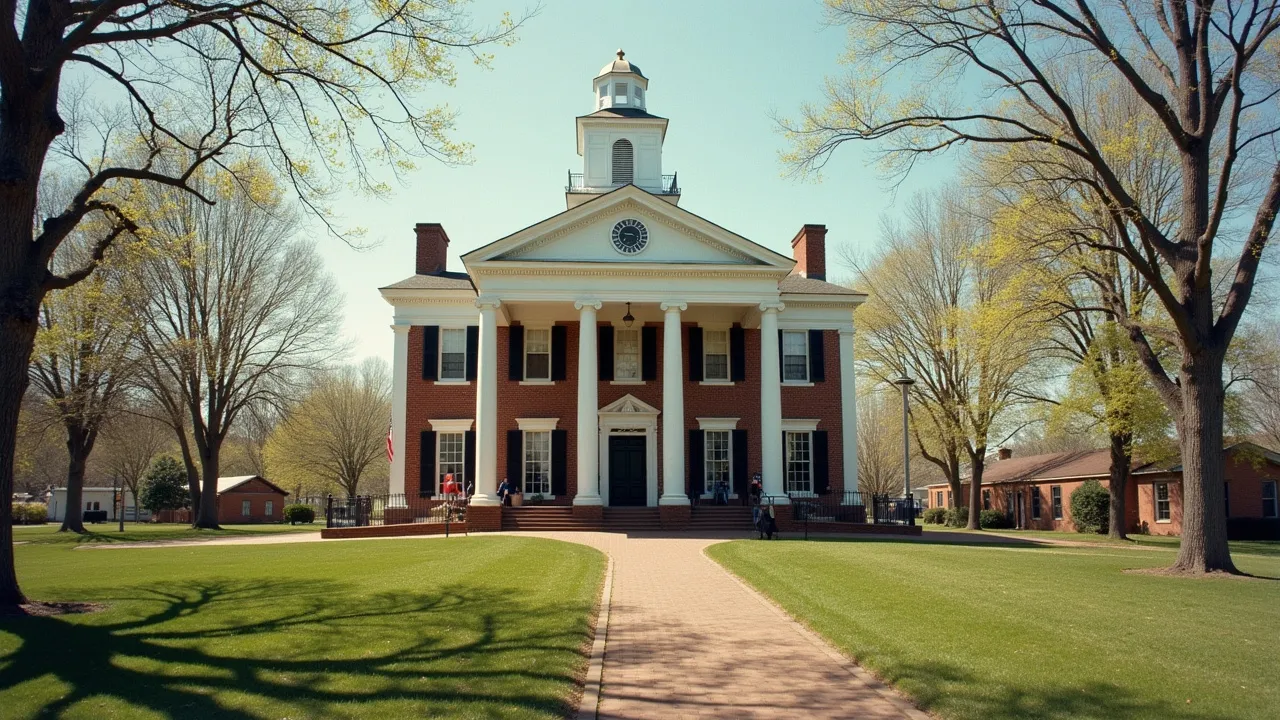
Appomattox Day, observed on April 9th, commemorates the surrender of General Robert E. Lee to Ulysses S. Grant in 1865, ending the American Civil War. It is a day for reflecting on national reconciliation, unity, and the lessons of history.
The Historical Origins & Evolutionary Journey
Appomattox Day marks the pivotal moment on April 9, 1865, when Confederate General Robert E. Lee surrendered the Army of Northern Virginia to Union General Ulysses S. Grant at the McLean House in Appomattox Court House, Virginia. This event effectively ended the American Civil War and set the stage for national reconstruction.
The Foundational Catalyst
The surrender followed a series of Union victories and the fall of Richmond. Lee's army, exhausted and starving, was surrounded by Grant's forces. After a brief exchange of letters, the two generals met in the parlor of Wilmer McLean's home. Grant offered generous terms: Confederate officers could keep their sidearms and soldiers their horses, and all would be paroled and allowed to return home. This act of magnanimity became a symbol of healing.
The Legislative/Official Adoption
Appomattox Day has never been a federal holiday but is recognized by several states and historical organizations. In 1939, the Appomattox Court House became a U.S. National Historical Monument. The National Park Service now hosts annual commemorative events, including a surrender ceremony reenactment every April 9th. Some states, like Virginia, have issued proclamations recognizing the day.
Modern Global Legacy
Today, Appomattox Day serves as a reminder of the cost of war and the value of reconciliation. It is observed by historians, educators, and reenactors. The site attracts hundreds of thousands of visitors each year. In recent years, the day has also sparked discussions about the causes and legacy of the Civil War, including slavery and states' rights.
How to Celebrate Appomattox Day
Appomattox Day is primarily observed through educational and reflective activities. Here is a definitive guide to celebrating meaningfully:
- Visit the Appomattox Court House National Historical Park: Join the annual surrender reenactment and witness living history demonstrations. The park offers guided tours and a museum.
- Attend a Lecture or Symposium: Many universities and historical societies host talks on the Civil War and its aftermath. Check local listings.
- Read Primary Sources: Read the letters between Grant and Lee, or memoirs like Grant's Personal Memoirs. Share insights with others.
- Participate in Virtual Events: The National Park Service often streams ceremonies online. Watch with a group and discuss.
- Reflect on Reconciliation: Write a journal entry or blog about the importance of unity. Engage with diverse perspectives on the war's legacy.
For schools:
- Organize classroom debates on the causes of the Civil War.
- Assign essays on what surrender meant for both sides.
- Use interactive maps to trace Lee's retreat to Appomattox.
For organizations:
- Host a community discussion on conflict resolution.
- Partner with local museums for special exhibits.
Global Impact and Reflections
While Appomattox Day is American in origin, its themes of surrender, reconciliation, and post-conflict rebuilding resonate worldwide. The event is studied by military academies and peace negotiators globally. In countries like South Africa and Northern Ireland, the Appomattox model of lenient surrender terms has been cited as a template for ending conflicts.
Internationally, historians compare it to other surrenders like the Japanese surrender in WWII or the ceasefire in the Korean War. The day also serves as a case study in how societies handle the memory of civil war. In the U.S., the day has become a point of contention over how the Civil War is remembered, with debates over monuments and flags.
Cultural Significance and Memory
Appomattox Day has shaped American culture through literature, film, and art. The surrender is depicted in works like Bruce Catton's A Stillness at Appomattox and the film Gods and Generals. The McLean House itself became a symbol of the war's end; its bricks were later sold as souvenirs.
Modern observances often include reenactors in period uniforms, wreath-laying ceremonies, and the reading of Grant's terms. The day also prompts reflection on the Lost Cause myth versus historical accuracy. Museums and archives use the day to highlight artifacts from the surrender, such as the table on which the terms were signed.
Educational Importance and Classroom Resources
Appomattox Day is a key teaching moment for educators. The National Park Service provides free lesson plans, primary source analysis sheets, and virtual tours. Topics include military strategy, the human cost of war, and Reconstruction. Teachers can use the day to discuss leadership through Grant's magnanimity and Lee's acceptance of defeat.
Recommended resources:
- Appomattox Court House NPS website
- Library of Congress Civil War collections
- Interactive timeline from the Civil War Trust
Students can also create their own primary sources, such as diary entries from a soldier's perspective. The day encourages critical thinking about how history is remembered and commemorated.
Legacy of Reconciliation and Unity
Perhaps the most enduring legacy of Appomattox Day is the example of reconciliation. Grant's terms allowed Confederate soldiers to return home without prosecution, which helped heal the nation. This spirit of leniency is often contrasted with the harsh Reconstruction that followed. In the 20th century, Appomattox became a site for promoting national unity, especially during times of division like the Civil Rights Movement.
Today, the day serves as a reminder that even the most bitter conflicts can end through negotiation and mutual respect. Observances often include interfaith prayers for peace and calls for healing contemporary divisions. The McLean House parlor, now restored, stands as a quiet testament to the power of forgiveness.
Historical Timeline
General Robert E. Lee surrenders the Army of Northern Virginia to Ulysses S. Grant at Appomattox Court House, effectively ending the Civil War.
First commemorations of the surrender held by veterans' groups and local citizens.
Appomattox Court House designated a National Historical Monument, preserved by the National Park Service.
Annual reenactments of the surrender begin, growing into a major public event.
Centennial observance of the surrender with a large ceremony attended by government officials and historians.
Modern debates about the Civil War's legacy lead to increased educational programming at the site.
The McLean House is fully restored to its 1865 appearance, boosting tourism and historical accuracy.
150th anniversary commemoration includes a massive reenactment, speeches, and a peace walk.
Appomattox Day observances incorporate discussions on racial justice and the ongoing process of reconciliation.